

Culture & Etiquette
Morocco is welcoming, social, and generally easy to travel in, but daily life is shaped by local customs, religion, and strong family values. Visitors are not expected to know every rule, but understanding a few basic norms can make interactions smoother and more respectful.
In most situations, simple habits go a long way: dress reasonably, greet people politely, ask before photographing them, and avoid behavior that feels too loud or too intimate in public. A little awareness is usually enough to travel comfortably and avoid common mistakes.
On this page:
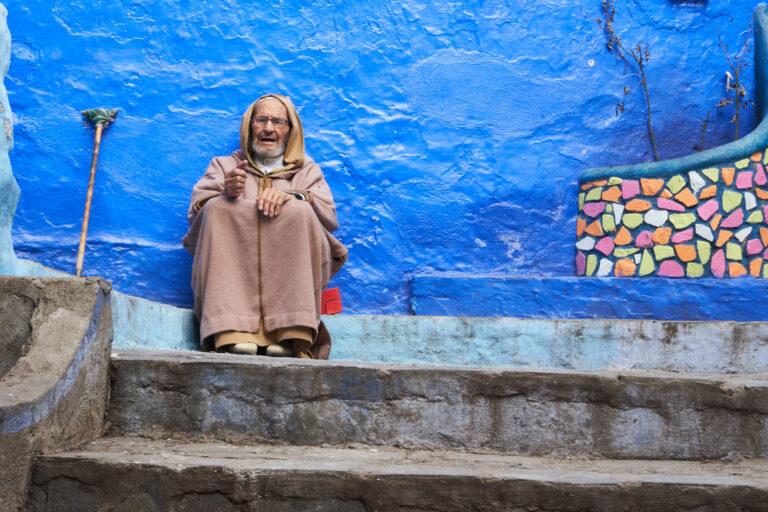
Everyday Etiquette
A polite greeting matters in Morocco, especially before asking a question or starting an interaction. Conversations can feel warmer and a little less direct than in some Western countries, and a friendly tone is usually appreciated.
Handshakes are common, though some people may avoid physical contact with the opposite sex for religious reasons. In that case, a simple nod and greeting is perfectly fine.
In markets and tourist areas, a polite but firm refusal is often more effective than overexplaining.
Useful words:
-Naam = Yes
-La = No
-Salam / Salam Alaikum = Hello
-Shukran = Thank you
-La shukran = No, Thank you
-Afak = Please
Expression
Meaning
Naam
Yes
La
No
Salam / Salam Alaikum
Hello
Shukran
Thank you
La shukran
No thank you
Afak
Please
What usually works well in each situation:
–Asking for help: Starting with a greeting is appreciated and often leads to a warmer response
–Handshakes: Common, but not everyone will shake hands with the opposite sex
–Conversations: They may feel warmer, longer, or more personal than in some countries
–Refusing offers: A polite but firm “no thank you” usually works better than long explanations
Situation
What to expect in Morocco
Asking for help
Starting with a greeting is appreciated and often leads to a warmer response
Handshakes
Common, but not everyone will shake hands with the opposite sex
Conversations
They may feel warmer, longer, or more personal than in some countries
Refusing offers
A polite but firm “no thank you” usually works better than long explanations
Dress Code
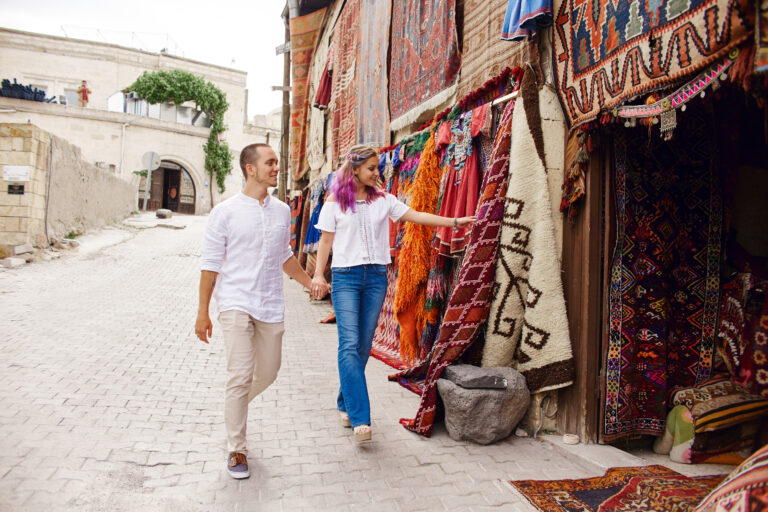
Morocco does not have a single dress code. What feels perfectly fine in a beach resort, trendy rooftop, or tourist district may feel out of place in a village, a traditional neighborhood, or a religious setting.
In general, visitors do not need to dress like locals, but it helps to dress with a bit of awareness depending on where they are going.
If you are unsure, aim for clothing that is both modest enough for local norms and polished enough for the setting. In Morocco, being slightly overdressed is usually safer than looking too exposed or too sloppy.
What to wear depending on the setting:
–Cities and everyday sightseeing: Casual but reasonably neat clothing such as T-shirts, shirts, blouses, trousers, jeans, skirts, or simple dresses
–Religious sites and traditional areas: More modest clothing that covers shoulders and knees is the safer choice
–Beach resorts and pools: Swimwear is fine at the beach or pool, but not away from those areas
–Upscale restaurants, luxury hotels, rooftops, and clubs: Smart casual or more polished outfits are often more appropriate than very casual sightseeing clothes
Setting
What usually works
Cities and everyday sightseeing
Casual but reasonably neat clothing such as T-shirts, shirts, blouses, trousers, jeans, skirts, or simple dresses
Religious sites and traditional areas
More modest clothing that covers shoulders and knees is the safer choice
Beach resorts and pools
Swimwear is fine at the beach or pool, but not away from those areas
Upscale restaurants, luxury hotels, rooftops, and clubs
Smart casual or more polished outfits are often more appropriate than very casual sightseeing clothes
For women:
Many women travel comfortably in Morocco in a wide range of outfits, especially in tourist cities. Still, very revealing clothing may attract more attention, particularly outside upscale or tourist-heavy areas.
For everyday travel, light and modest clothing usually works best. In more elegant venues such as luxury hotels, fine restaurants, or fashionable rooftops, a more polished look often feels more appropriate than overly casual clothes.
For men:
Men can dress casually in most situations, but very relaxed clothes such as sleeveless gym wear, beachwear, or worn-out casual outfits may feel out of place in more upscale settings. In nicer venues, a collared shirt, neat trousers, or smart casual wear is often a better fit.
Religion and Local Norms
Islam is part of everyday life in Morocco, even for visitors who are not interested in religion. You will hear the call to prayer, notice different rhythms on Fridays and during Ramadan, and see that some behaviors considered normal in very touristy destinations feel less natural here.
You do not need to adapt your entire lifestyle, but it helps to understand that Morocco is generally more socially conservative than much of Europe or North America, especially outside major tourist zones.
What this means in practice:
–Mosques: Most are not open to non-Muslims, so do not enter unless visits are clearly allowed
–Call to prayer: It is a normal part of daily life and not something to treat as a tourist spectacle
–Friday: Some shops and local businesses may slow down or close around midday prayer
–Ramadan: Daily rhythms shift, daytime can feel quieter, and evenings become much livelier
–Public behavior: Loud, drunken, or overly intimate behavior is more likely to feel out of place than in some beach destinations
Situation
What matters in Morocco
Mosques
Most are not open to non-Muslims, so do not enter unless visits are clearly allowed
Call to prayer
It is a normal part of daily life and not something to treat as a tourist spectacle
Friday
Some shops and local businesses may slow down or close around midday prayer
Ramadan
Daily rhythms shift, daytime can feel quieter, and evenings become much livelier
Public behavior
Loud, drunken, or overly intimate behavior is more likely to feel out of place than in some beach destinations
Ramadan:
Traveling in Morocco during Ramadan is absolutely possible, but the daily rhythm changes. Many Moroccans fast from dawn to sunset, so some cafés and restaurants may reduce daytime service, especially outside major tourist areas, and streets can feel quieter during the day. Visitors are not expected to fast, but eating, drinking, or smoking discreetly in public is the more respectful approach.
After sunset, the atmosphere changes completely. Cities and neighborhoods become livelier again as families and friends gather to break the fast, and this is one of the most interesting times to experience Morocco. If you visit during Ramadan, it is well worth trying a traditional ftour, the evening meal that breaks the fast, often including dates, harira, chebakia, breads, sweets, and other seasonal specialties. For many travelers, it is not just a meal but one of the most memorable cultural experiences of the trip.
Photography Etiquette
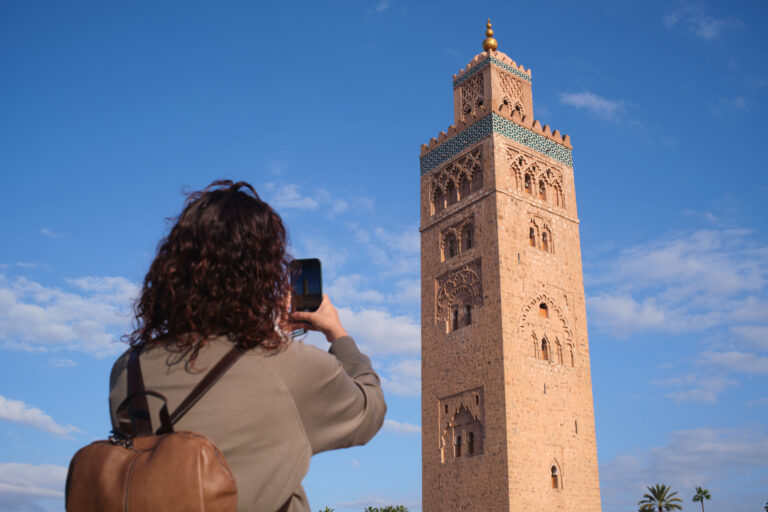
Morocco is highly photogenic, but people should not automatically be treated as part of the scenery. In general, it is best to ask before taking close-up photos of anyone, especially women, elderly people, children, artisans, and people in rural areas. Some may happily agree, while others may refuse or expect a small tip if they are clearly posing for visitors.
Street scenes are usually less sensitive, but the closer and more personal the shot, the more important it is to ask first. The same applies in souks, workshops, and markets, where artisans may not want to be photographed while working. It is also best to avoid photographing people during prayer, as well as police, military personnel, checkpoints, and some official buildings.
As a simple rule, if a person is the subject of the photo rather than just part of the wider scene, ask first. It is more respectful, usually better received, and helps avoid unnecessary tension.
Food and Shopping Etiquette
Food is an important part of hospitality in Morocco, and it is common to be offered mint tea, bread, pastries, or even a full meal in homes, riads, and traditional settings. If you are invited to share food from a common dish, it is polite to eat from the section in front of you rather than reaching across, and when eating by hand or using bread, the right hand is traditionally preferred. Accepting at least a little tea is often appreciated, though a polite refusal is usually understood.
Shopping etiquette depends a lot on where you are. In souks and traditional markets, bargaining is often expected and should feel like a friendly exchange rather than an argument. In malls, modern boutiques, and many cooperatives, prices are more likely to be fixed. In busy tourist areas, it is also wise not to assume that directions, demonstrations, or extra help are always free, as some people may expect payment or commission afterward. A polite but firm “no thank you” usually works better than a long explanation.
Tipping
Tipping is common in Morocco, but it is usually modest. In cafés and casual restaurants, rounding up the bill or leaving around 5-10% is generally enough, while in mid-range or more upscale restaurants, 10-15% is more typical if service was good. Taxi drivers usually do not expect a large tip, but rounding up the fare or adding around 10 MAD is common. The same amount often works for porters or small one-off services.
For housekeeping, a small daily tip is appreciated, especially in hotels and riads, and guides or drivers on private tours are usually tipped more than someone helping briefly with bags or directions. In tourist areas, some people may also expect a tip for posing for photos or offering informal help, so it is best not to assume every favor is free.
As a general rule, carry small notes and coins. In Morocco, tipping is less about big money than about having the right cash at the right moment.
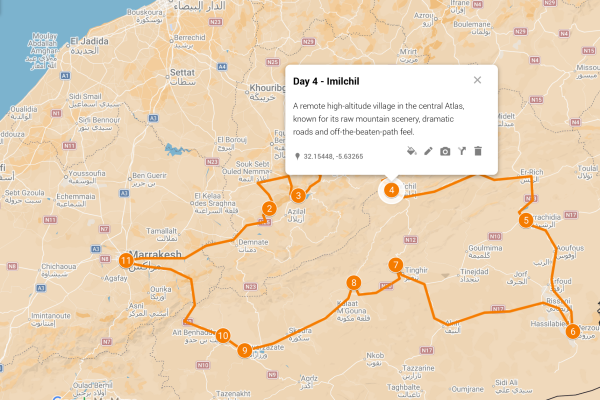
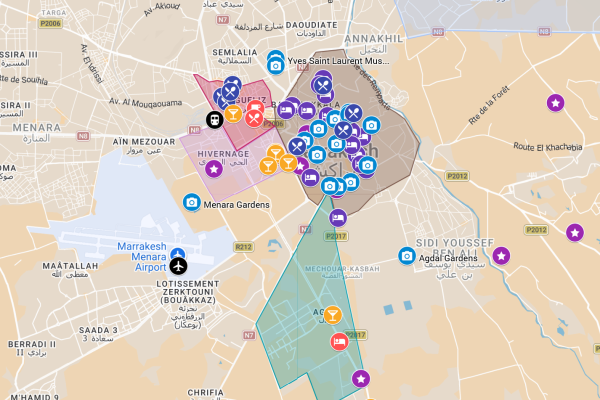
Plan your Morocco Trip with our Free Morocco Travel Maps
Ready-made itineraries for 3, 7, 10 and 14 days
Best spots by city, coast, desert & mountains
Handpicked hotels, riads & resorts
Restaurants, viewpoints & activities
Key neighborhoods & transport tips
Free access. Regular updates. No spam.
Practical rule
You do not need to act like a local – just avoid behaving as if tourist areas and traditional settings follow the same social norms.
Travelers in More Traditional Settings
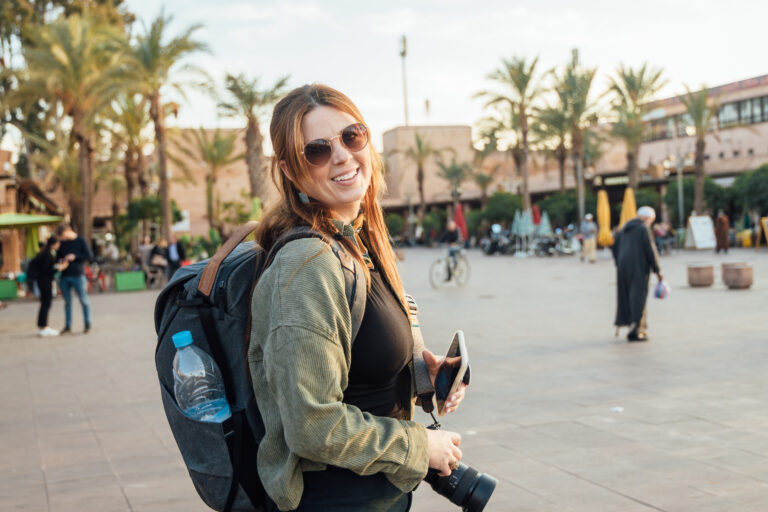
Morocco is not equally conservative everywhere. What feels normal in a luxury hotel, beach resort, or trendy district may feel more noticeable in a medina, a residential neighborhood, a small town, or a rural area. In these more traditional settings, modest dress, discreet behavior, and a respectful tone tend to matter more.
This does not mean visitors need to be overly cautious, but some travelers may feel local social norms more strongly than others. Women traveling alone may attract more attention, same-sex couples may prefer to keep affection private, and travelers wearing very revealing or very casual clothing may stand out more than they would in major tourist zones. In most cases, the issue is not danger so much as visibility and comfort.
As a general rule, the less touristic the setting, the more it makes sense to dress a little more modestly, behave a little more discreetly, and avoid assuming that the same social codes apply everywhere. A small adjustment in presentation and behavior usually makes interactions smoother and more comfortable for everyone.
Quick Do's and Don'ts
A few simple habits go a long way in Morocco. Greet people before asking for help, dress with some awareness of the setting, ask before taking close-up photos of people, and carry small cash for tips and everyday purchases. In shops and markets, stay polite and relaxed, and remember that a friendly but firm “no thank you” is often the easiest way to refuse unwanted offers.
At the same time, avoid treating every place like a resort or party destination. Do not enter mosques unless visits are clearly allowed, do not photograph police or military personnel, and do not assume that every offer of help is free. Public drunkenness, overly revealing clothing in traditional areas, and very intimate behavior in public are also best avoided.
As a practical rule, Morocco is easy to navigate if you pay attention to context. What feels perfectly normal in a beach resort, luxury hotel, or rooftop bar may feel out of place in a medina, residential area, or small town.
Common Tourist Traps
In busy tourist areas, some visitors may be approached by unofficial guides, overly persistent sellers, or people offering directions, advice, or help they later expect to be paid for. A polite but firm refusal is usually the best response, and it is safer not to follow strangers unless you genuinely want their help and agree on the situation clearly.
Private and Working Spaces
Not every beautiful doorway, courtyard, workshop, or traditional interior is meant to be entered or explored freely. If a space looks private or if someone is working, ask before stepping in, watching closely, or taking photos.
Page last updated: June 2026
Anything we can improve? Let us know
Plan Your Morocco Trip
Compare hotels, flights and rental cars
Compare hotels, riads and guesthouses across Morocco on Booking.com:
Compare flights to Morocco on Aviasales:
Find the right rental car for your Morocco trip with EconomyBookings: