

Hammams & Wellness
There are experiences in Morocco that feel optional and experiences that feel essential. The hammam belongs firmly in the second category. Not because it is exotic or photogenic, but because it is genuinely woven into the fabric of daily Moroccan life – and because, done properly, it is one of the most physically satisfying things you can do in the country.
This guide covers everything a first-time visitor needs to know: what a hammam actually is, why it matters, how the traditional version differs from the tourist spa version, what to expect when you walk through the door, and how to choose the right experience for your comfort level.
What is a Hammam in Morocco?
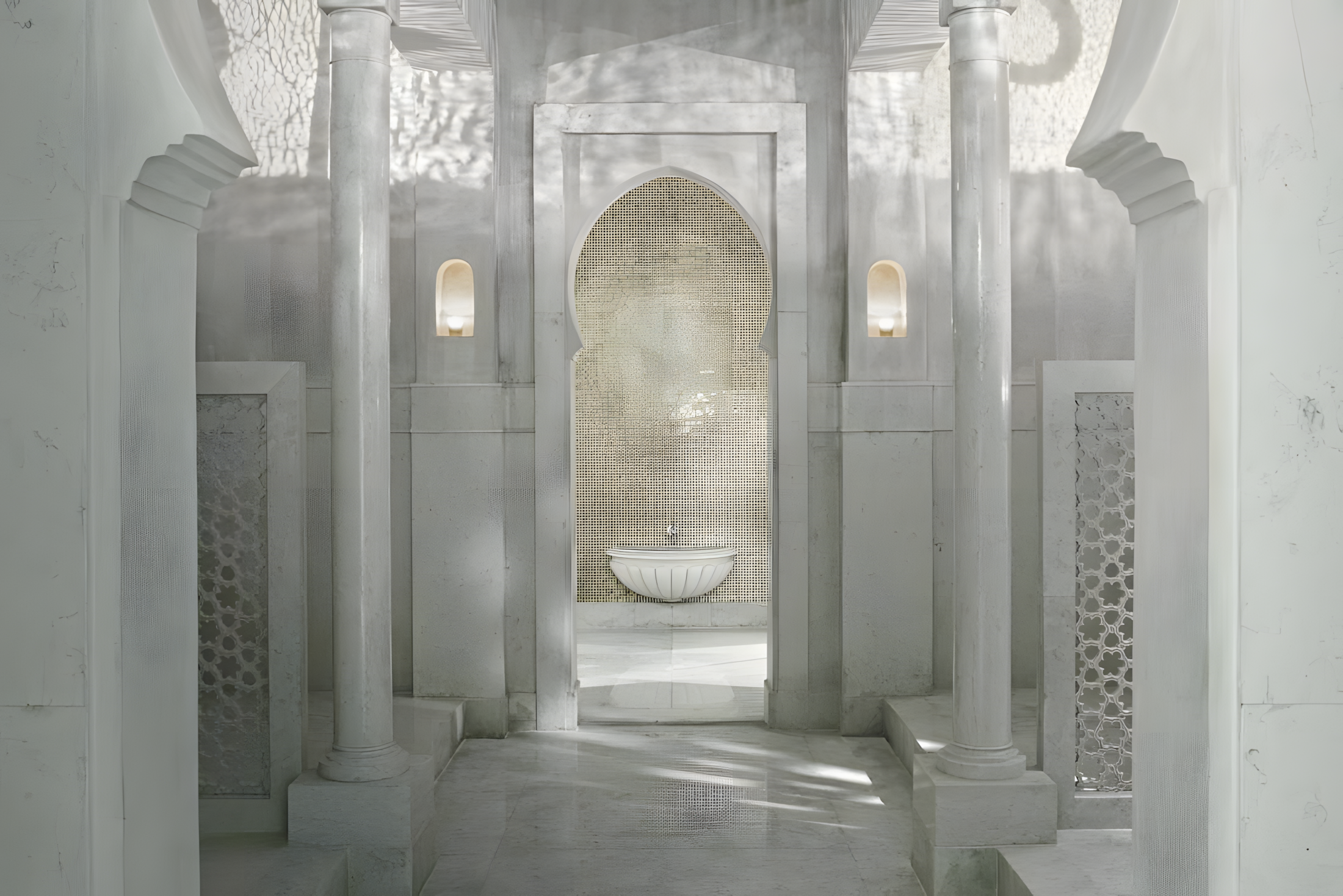
A hammam is a communal bathhouse – a place where people go to wash, steam, exfoliate, and spend time in the kind of unhurried physical ease that modern life rarely makes room for. The concept is ancient, rooted in Islamic traditions of ritual cleanliness, and has been a fixture of Moroccan urban life for centuries. In the medinas of Fez, Marrakech, and Meknes, neighbourhood hammams have been operating continuously for hundreds of years, serving the same streets and the same communities through every era of the city’s history.
The format is simple. You enter, undress to your underwear or a provided wrap, move through a series of rooms at increasing temperatures, and are scrubbed, washed, and steamed until your skin feels entirely renewed. The whole process takes anywhere from thirty minutes to two hours depending on the type of hammam and how much you want to include.
Why the Moroccan Hammam Is So Special
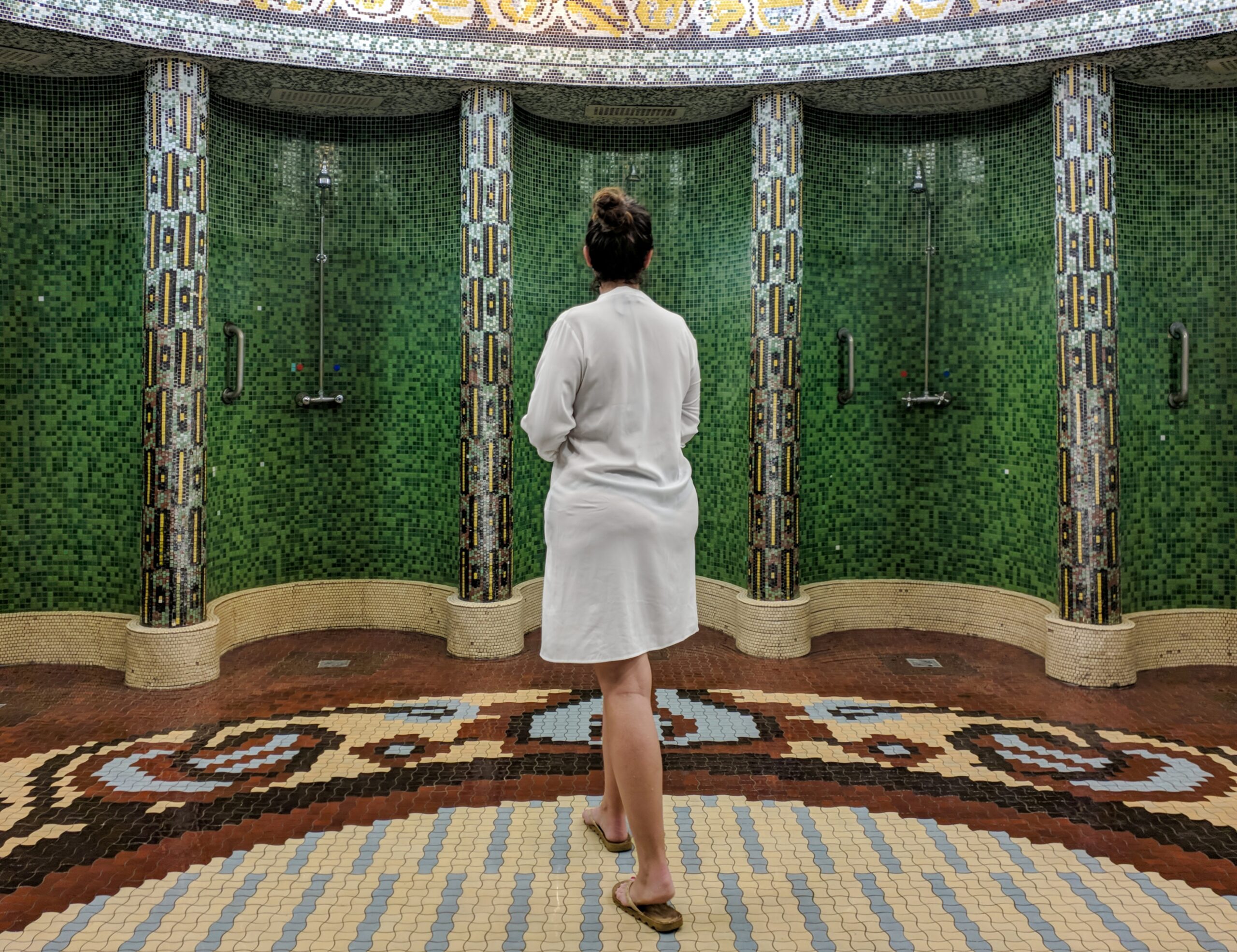
The hammam is not a wellness trend in Morocco. It is not a luxury add-on or a spa menu item. For most Moroccans, it is simply part of life – visited weekly, sometimes more often, as a matter of hygiene, habit, and social ritual. Neighbourhood hammams open early and close late. Mothers bring children. Friends go together. It is one of the few genuinely communal physical spaces left in urban life anywhere in the world.
That ordinariness is precisely what makes it special for a visitor. Sitting in the steam room of a traditional hammam in the Fez medina, surrounded by locals for whom this is simply Tuesday, is a different kind of cultural encounter from anything that happens in a museum or a restaurant. It is not performed for your benefit, which is exactly what gives it its texture.
The ritual itself is also genuinely good for you in the most straightforward physical sense. The combination of heat, steam, black soap, and vigorous exfoliation produces a result that no shower at home comes close to approximating. Most people emerge feeling lighter, softer, and considerably more relaxed than when they went in.
Traditional Hammam vs Tourist Hammam
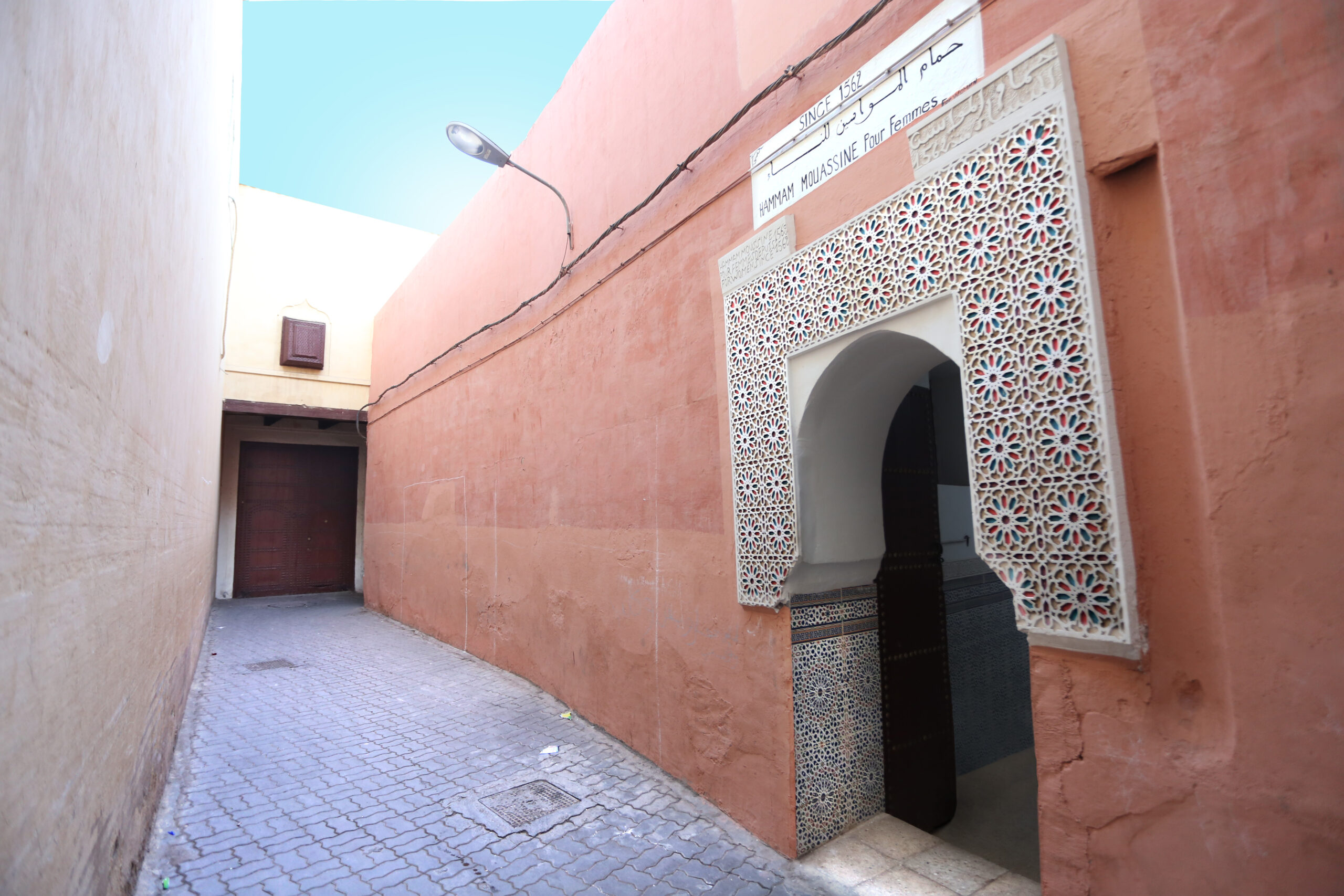
This distinction matters and is worth understanding before you go.
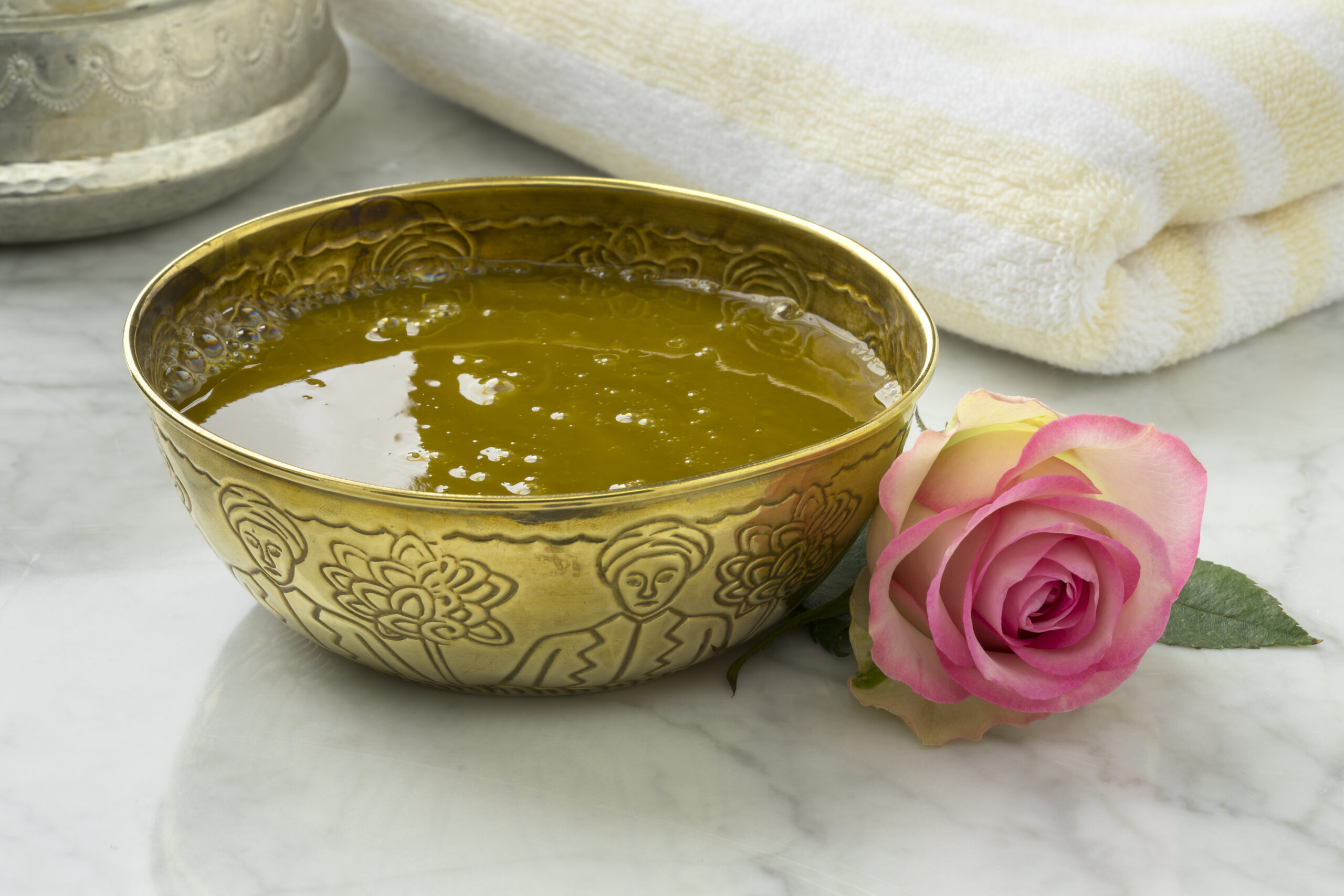
A traditional neighbourhood hammam is a functional, no-frills bathhouse serving the local community. Entry is cheap – often the equivalent of a few dirhams – and the experience is self-directed. You bring your own supplies or buy them at the door: a piece of savon beldi (the dark, olive-oil-based black soap), a kessa glove for exfoliation, and a towel. An attendant may scrub you for a small additional fee, but the experience is largely communal and unguided. It is single-sex, the facilities are basic, and the atmosphere is entirely local. For travelers who are comfortable with ambiguity, limited signage, and a certain amount of improvisation, this is an extraordinary experience. For those who are not, it can feel disorienting.
A tourist-oriented or upscale hammam – found at riads, dedicated spa hammams, and high-end establishments in the main cities – offers the same core ritual in a more guided, more comfortable setting. Staff speak English, the process is explained in advance, the facilities are cleaner and more private, and the products used are often of higher quality. The price is considerably higher, but so is the accessibility. For first-time visitors, this is almost always the better starting point.
The two experiences are not in competition. They simply serve different needs and different comfort levels. Neither is more authentic in any meaningful sense – the ritual is the same. What differs is the context in which it takes place.
What to Expect
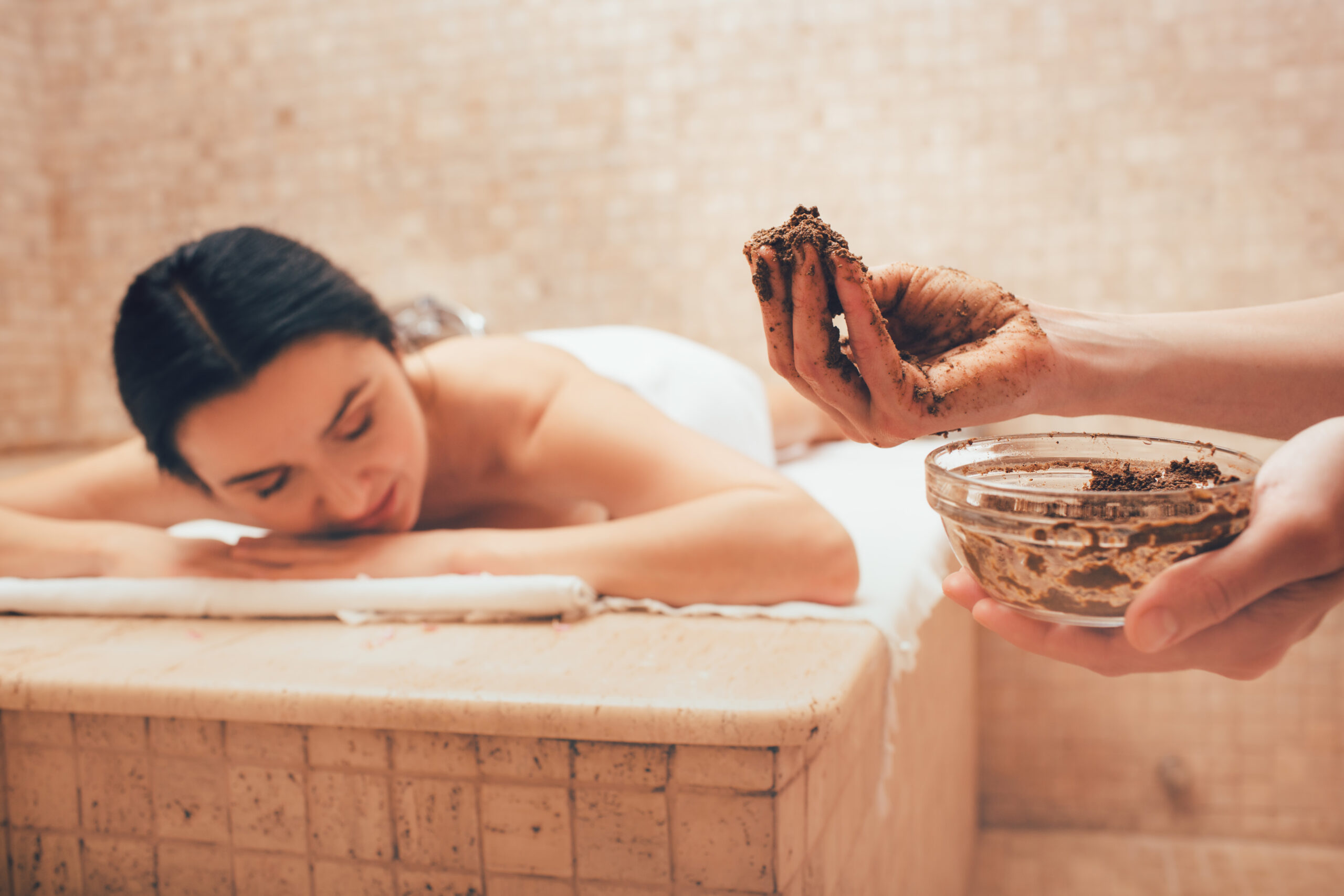
Regardless of which type of hammam you choose, the basic sequence is similar.
You begin in a changing area, where you undress and leave your belongings. Most hammams provide a wrap or accept swimwear – check in advance what is expected. You then move into the warm room, where the temperature is moderate and the body begins to open up and sweat. From there, the hot room – steam, heat, and the beginning of the main treatment.
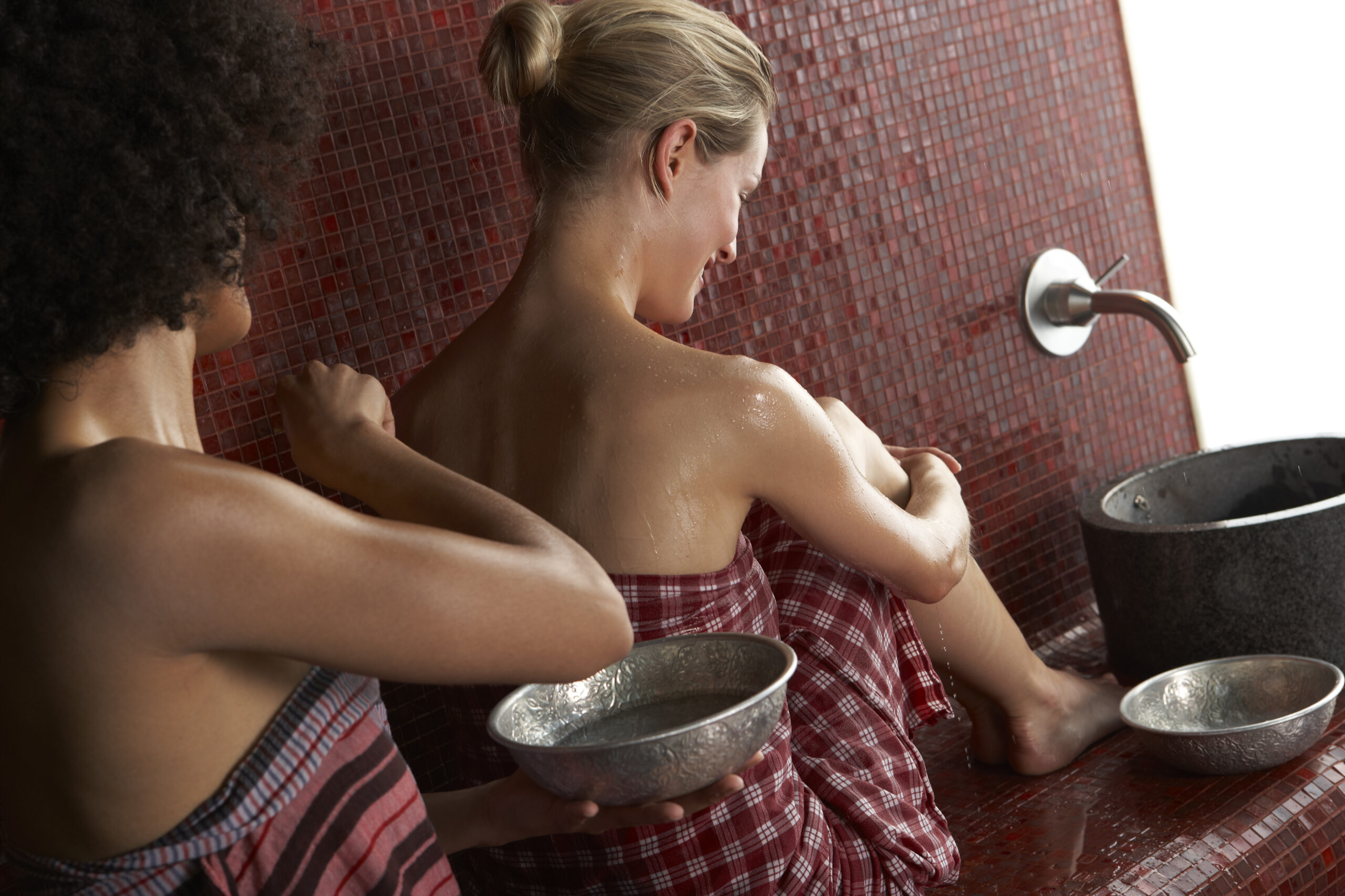
The centrepiece is the scrub. An attendant – or you yourself, in a traditional hammam – applies savon beldi across the skin and works it in with hands or the kessa glove. The black soap softens and loosens the skin, and the kessa then removes what has accumulated there. The amount of dead skin that emerges can be startling, especially on a first visit. This is normal, not alarming.
The scrub can be vigorous. Moroccan hammam attendants do not apply the tentative pressure of a European spa therapist. If it is too intense, say so – but most people find that what initially seems rough becomes deeply satisfying within a few minutes. After the scrub, warm water is poured over the body repeatedly to rinse, and the session may conclude with a massage, a face mask, or simply a return to the cooler room to rest.
Come hydrated. The heat is real, and the steam can be intense, particularly for those not accustomed to it.
How Much Does a Hammam Cost in Morocco?
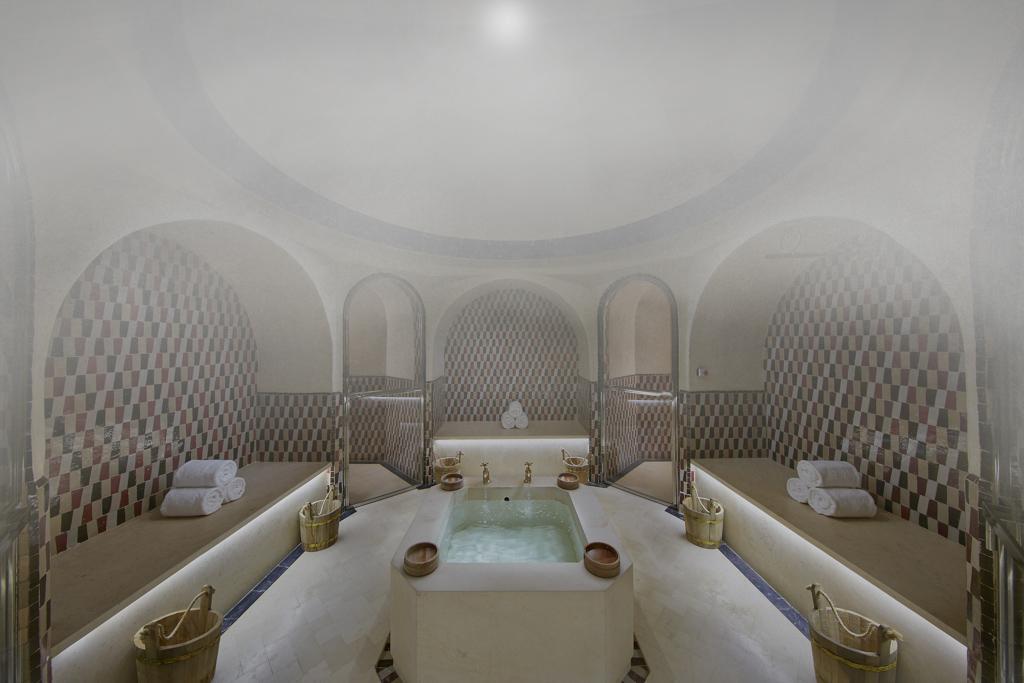
The range is wide, which reflects how different the two types of experience are.
A traditional neighbourhood hammam typically costs a very small amount for entry – think in terms of single-digit dirhams – with a modest additional fee for a scrub from an attendant. It is one of the most affordable experiences in Morocco.
A tourist or riad hammam is a different proposition entirely. Basic packages at reputable establishments generally start at several hundred dirhams and rise considerably from there depending on the city, the reputation of the venue, and what the package includes. In Marrakech particularly, high-end hammam experiences at well-known riads or standalone spa hammams can reach into the thousands of dirhams for extended treatments.
As a general rule: if the price seems surprisingly low at a tourist-facing establishment, ask questions before committing. And if you are considering a traditional hammam, bring small change and do not expect a price list at the door.
Note: Pricing should be verified locally before visiting, as it varies significantly by city, venue, and season.
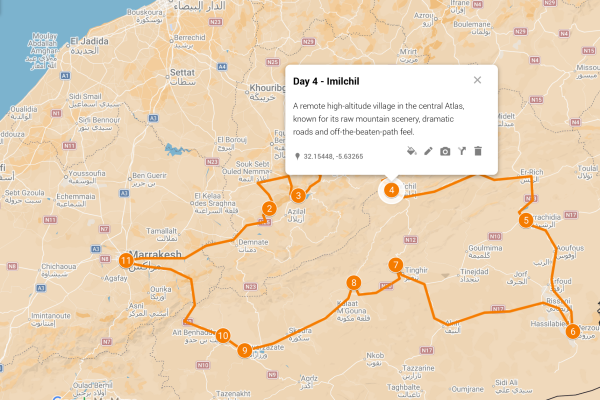
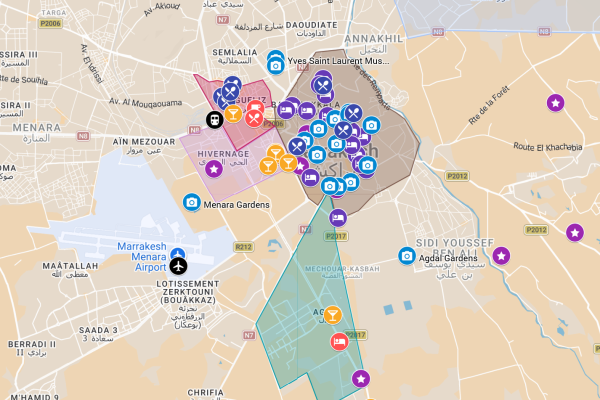
Plan your Morocco Trip with our Free Morocco Travel Maps
Ready-made itineraries for 3, 7, 10 and 14 days
Best spots by city, coast, desert & mountains
Handpicked hotels, riads & resorts
Restaurants, viewpoints & activities
Key neighborhoods & transport tips
Free access. Regular updates. No spam.
Where to Try a Hammam in Morocco
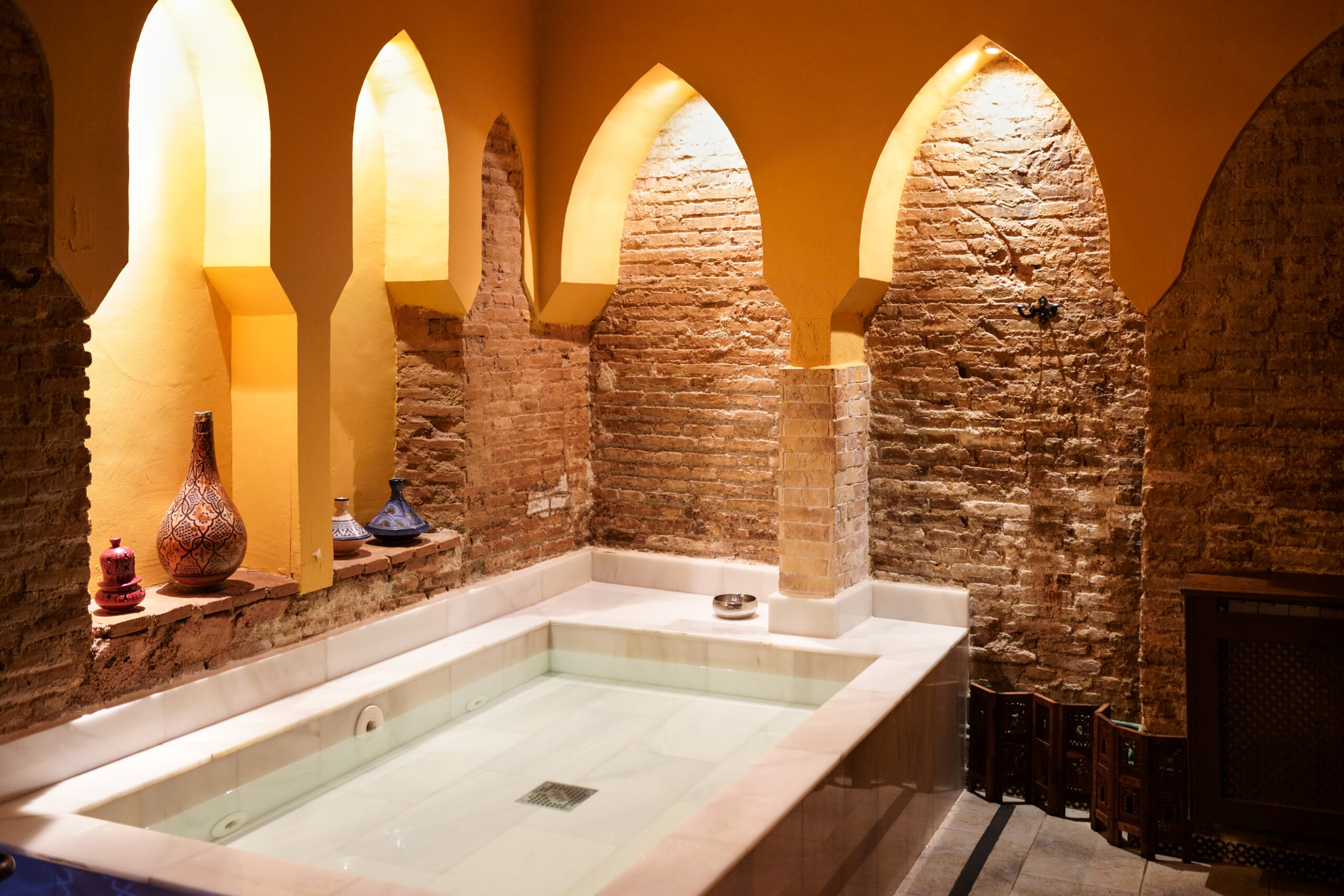
- Marrakech has the densest concentration of tourist-facing hammams in the country, ranging from overpriced and mediocre to genuinely excellent. The medina contains several well-regarded traditional hammams that locals still use, and the riad circuit has produced a number of high-quality spa hammams with professional staff and good facilities. It is also the city where the most aggressive hammam touts operate, so some discernment is required – a hammam recommended by your riad is almost always a safer choice than one solicited on the street.
- Fez offers what many consider the most atmospheric traditional hammam experience in Morocco. The medina of Fez el-Bali is large, old, and largely unperformed for tourism, and its neighbourhood hammams reflect that. Finding a good one requires local knowledge – again, your riad or guesthouse is the most reliable starting point. For a more guided experience, several restored historic hammams in Fez now offer tourist packages in genuinely beautiful settings.
- Casablanca has a strong hammam culture rooted in its working-class neighbourhoods, and several high-quality modern hammams have opened in recent years serving a sophisticated local clientele. The city’s size and cosmopolitan character mean that the tourist-traditional divide is less stark here than in the medina cities.
- Essaouira, Chefchaouen, and Meknes each have their own hammam cultures worth exploring, particularly for travelers already spending time in those cities and looking for a more local experience than Marrakech or Fez typically offers.
Who Should Try a Hammam?
Almost everyone, with a few practical considerations.
The hammam is single-sex in traditional settings, which makes it accessible and comfortable for solo travelers of any gender. It is physically demanding in a gentle way – the heat and steam are real, and those with certain cardiovascular conditions or heat sensitivities should consult a doctor before going. Pregnant travelers should take advice before using steam rooms.
For everyone else, the main barrier is psychological rather than physical: the unfamiliarity of the format, the communal nature of the experience, and the loss of control that comes with handing your skin over to someone else’s hands. These are entirely understandable hesitations, and the best way to address them is to choose a reputable tourist hammam for a first visit, where the process is explained, the staff are accustomed to nervous first-timers, and the environment is designed to be reassuring.
Best Approach for First-Time Visitors
Start with a reputable tourist or riad hammam rather than walking into a traditional neighbourhood hammam on your first day. This is not a concession to comfort – it is simply practical. Understanding the sequence, the products, and the etiquette of the experience before doing it in a setting with no English and no guidance makes the whole thing considerably more enjoyable.
Ask your riad or hotel for a recommendation. A personally vetted hammam is worth more than any online review, and most good riads have established relationships with trustworthy local establishments.
Book in advance where possible, particularly in Marrakech and during busy periods. The best tourist hammams fill up quickly.
If you want to visit a traditional neighbourhood hammam – and it is worth doing, at some point during a longer trip – go with a local guide or a recommendation from someone who knows the specific hammam. The experience is more rewarding when you arrive with some basic knowledge of what to bring, what to pay, and what to expect from the attendant.
Page last updated: June 2026
Anything we can improve? Let us know
Plan Your Morocco Trip
Compare hotels, flights and rental cars
Compare hotels, riads and guesthouses across Morocco on Booking.com:
Compare flights to Morocco on Aviasales:
Find the right rental car for your Morocco trip with EconomyBookings: