

Festivals & Events
Morocco does not reveal itself through monuments alone. Some of its most honest, vivid moments happen during a festival in a mountain valley, a summer concert on the Atlantic coast, or the quiet intensity of a religious occasion that reshapes an entire city’s rhythm. Traveling around a festival – or simply being present during one – is one of the most rewarding ways to understand this country.
The calendar is varied and sometimes surprising. You will find world-class music festivals drawing international audiences, centuries-old religious gatherings rooted in Sufi tradition, harvest celebrations tied to specific crops and landscapes, and public holidays that shift the pace of daily life entirely. Each type offers a different window into Moroccan culture.
Understanding the Types of Events
Not all celebrations in Morocco work the same way, and knowing the difference helps you plan.
Cultural and arts festivals are largely modern in format – they have ticketed concerts, international guests, curated programs, and dedicated venues. Events like the Fes Festival of World Sacred Music or Mawazine in Rabat draw large crowds, require advance booking, and have a production scale you might expect from any major European festival.
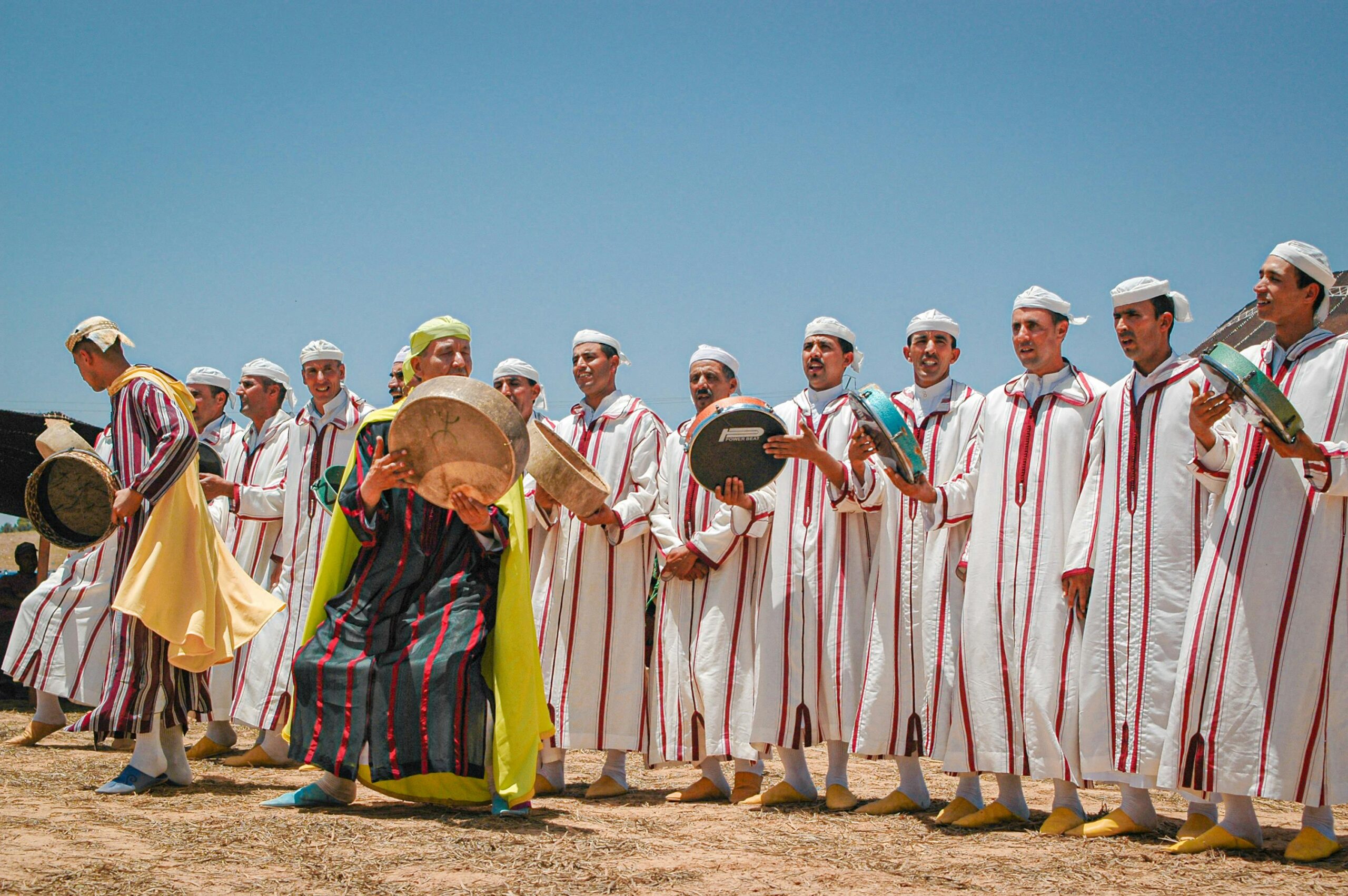
Moussems are a different thing entirely. The word refers to traditional pilgrimages and gatherings organized around the anniversary of a local saint or religious figure. They combine spiritual observance with a festive, communal atmosphere – processions, music, markets, horse performances, and food. Some moussems are small and deeply local. Others, like the Tan-Tan Moussem, have grown into major regional events with national significance. They are not tourist spectacles by design, but visitors are generally welcome to observe and participate respectfully.
Religious holidays – particularly Ramadan, Eid al-Fitr, and Eid al-Adha – are not festivals in the conventional sense, but they profoundly shape the travel experience. During Ramadan, the country operates on a different schedule: daytime is slower and quieter, evenings come alive with food, prayer, and socializing. Eid al-Adha is the most important religious holiday in the Moroccan calendar and affects transport, commerce, and accommodation in ways that require practical planning.
Music & Arts Festivals
Morocco has built a genuinely strong music festival scene since the early 2000s. These are not novelty events – several have earned serious international reputations.
Fes Festival of World Sacred Music
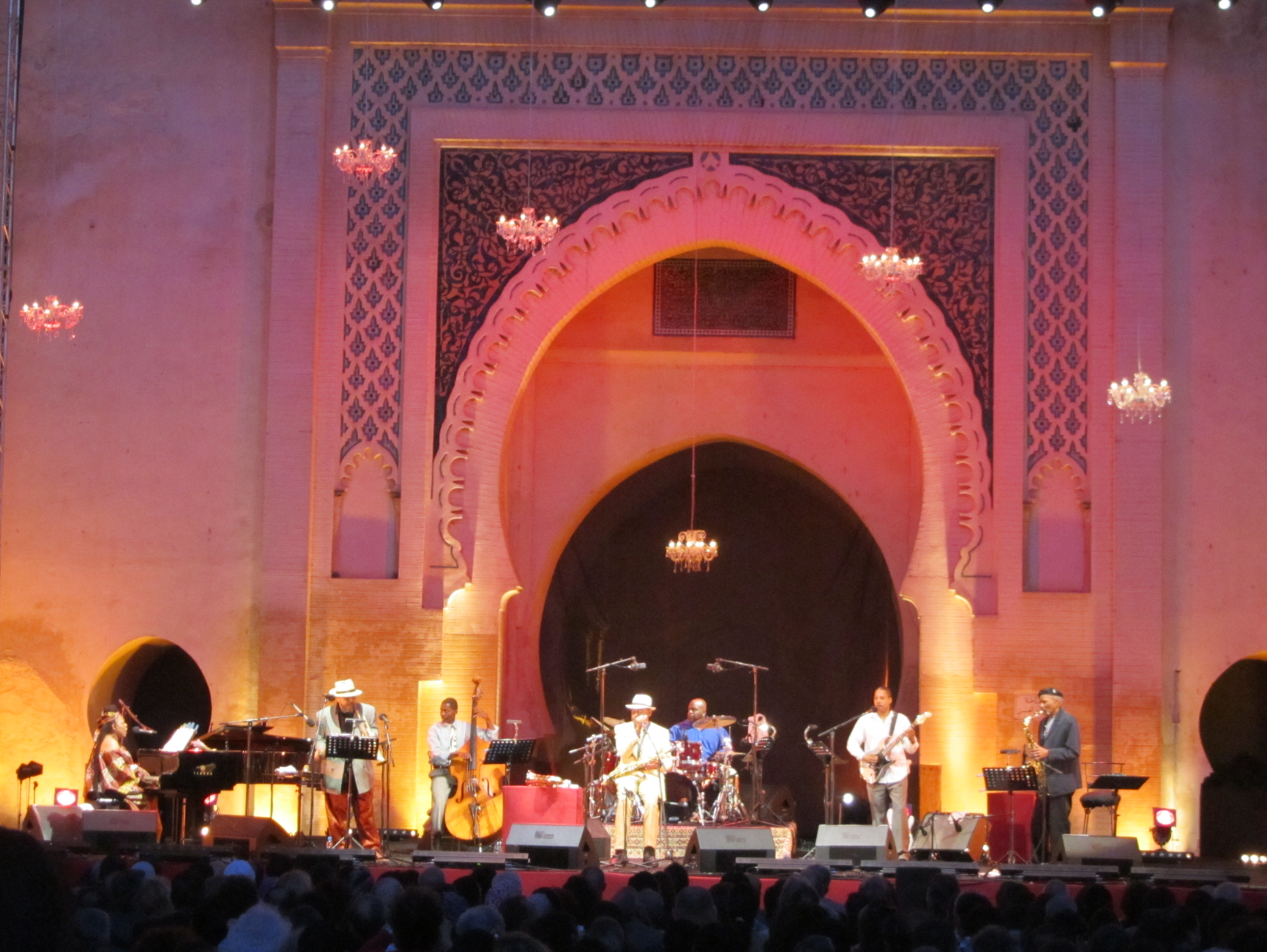
Held each spring in one of the world’s great medieval cities, this festival is as much an experience of place as it is of music. Sufi ensembles, sacred choirs, classical Persian musicians, gospel performers, and traditional Moroccan groups all share the same program across a week of evening concerts.
Many performances take place in open-air venues within the ancient medina – courtyards, gardens, and historic riads – which gives the whole event a texture that is hard to replicate. The festival usually takes place in late May or June.
Gnaoua World Music Festival, Essaouira
The Gnaoua festival has made Essaouira – a whitewashed Atlantic port city with a distinct, bohemian edge – one of the most recognized festival destinations in Africa. Gnaoua music is a hypnotic, trance-based tradition rooted in sub-Saharan African ritual practice, and this festival has long been the place to hear it at its best.
What makes it special is the fusion programming: Gnaoua masters perform alongside jazz musicians, electronic producers, and international artists in collaborations that are created specifically for the event. The city fills with visitors every June, and the main concerts on the port square are free.
Timitar, Agadir
Timitar focuses on Amazigh (Berber) music alongside African and world music more broadly. Held in Agadir each summer, it is one of the few major festivals to put Amazigh cultural identity at its center – a deliberate celebration of the indigenous traditions of the region. The atmosphere is warm and the crowds are deeply local, which gives it a character distinct from the more internationally marketed events.
Mawazine, Rabat
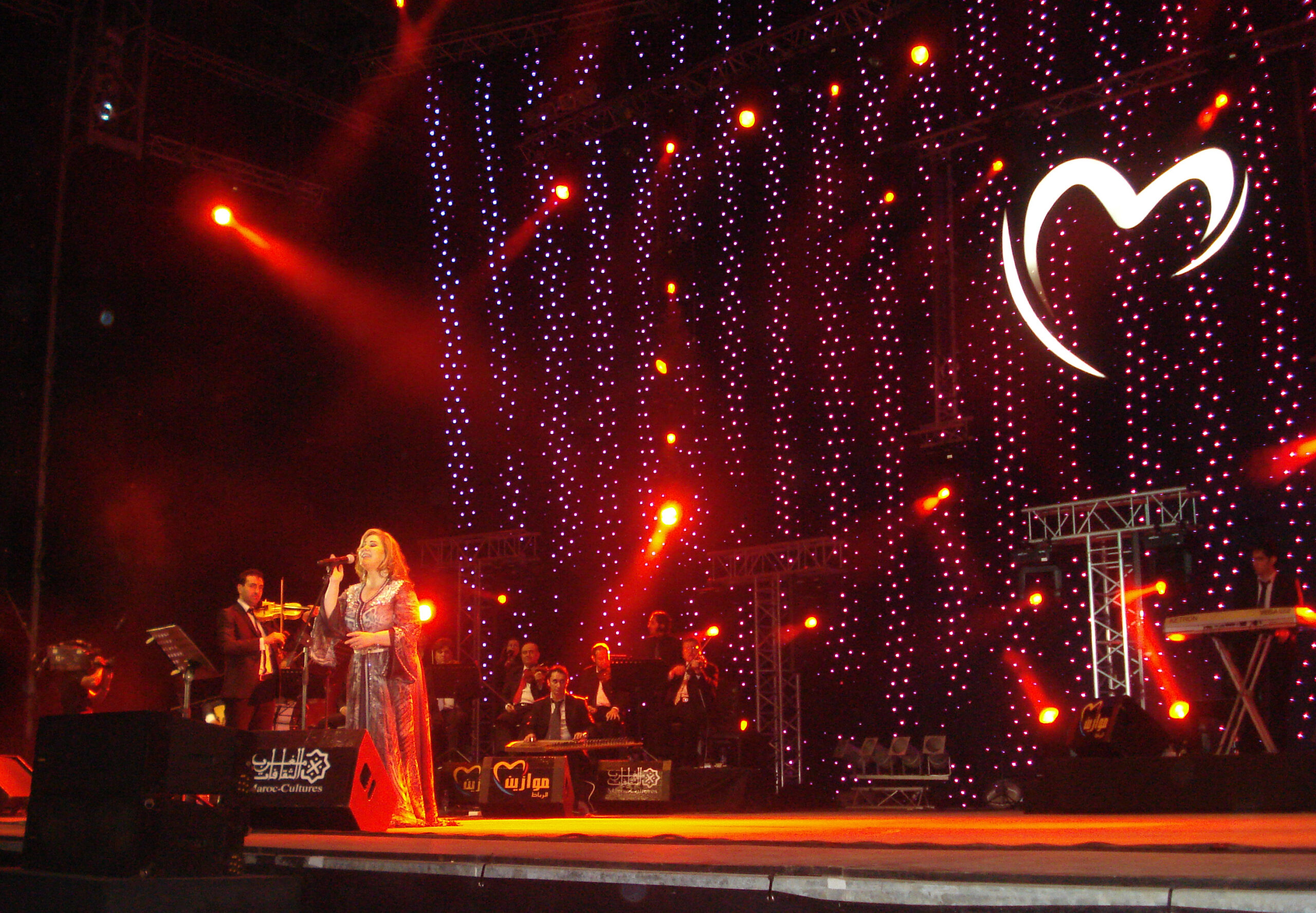
Mawazine is among the largest music festivals in the world by attendance. Held each spring in the Moroccan capital, it spreads across multiple stages over about a week, blending international pop and hip-hop headliners with Arabic, African, and Moroccan artists. Past editions have featured names from Beyoncé to Drake to Stromae.
The scale is considerable, but so is the energy. It is a useful event for travelers who want to see Rabat at its most festive and see Moroccan audiences at a major live music event.
Marrakech International Film Festival
The Marrakech International Film Festival takes place in late November or early December and is consistently one of the most glamorous events on the African cultural calendar. Screenings are held in large open-air venues in the heart of the medina and at cinema halls across the city.
The program mixes major international releases, African and Arab cinema, and retrospective tributes. A jury awards prizes; past honorary guests have included directors and actors of serious stature. The red carpet draws photographers from across the world, but the free public screenings in Jemaa el-Fna are what give the festival its real populist warmth.
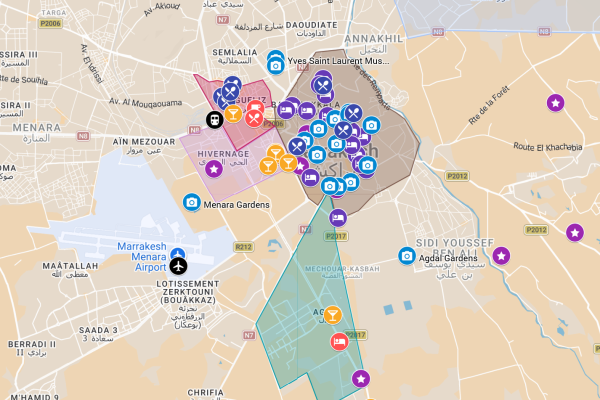
Plan your Morocco Trip with our Free Morocco Travel Maps
Ready-made itineraries for 3, 7, 10 and 14 days
Best spots by city, coast, desert & mountains
Handpicked hotels, riads & resorts
Restaurants, viewpoints & activities
Key neighborhoods & transport tips
Free access. Regular updates. No spam.
Harvest and Nature Festivals
These are smaller, more regional celebrations, but they offer something the big music festivals cannot: a glimpse of Morocco’s relationship with its landscape and agricultural cycles.
Almond Blossom Festival, Tafraoute
Each February, the Anti-Atlas town of Tafraoute holds a quiet festival timed to the blossoming of almond trees across the surrounding valley. The timing is never guaranteed – it depends on the season – but when the trees bloom, the landscape turns white and the village comes to life with local markets, music, and a sense of seasonal renewal.
This is one of Morocco’s most understated events and one of its most beautiful.
Rose Festival, Kelaat M'Gouna
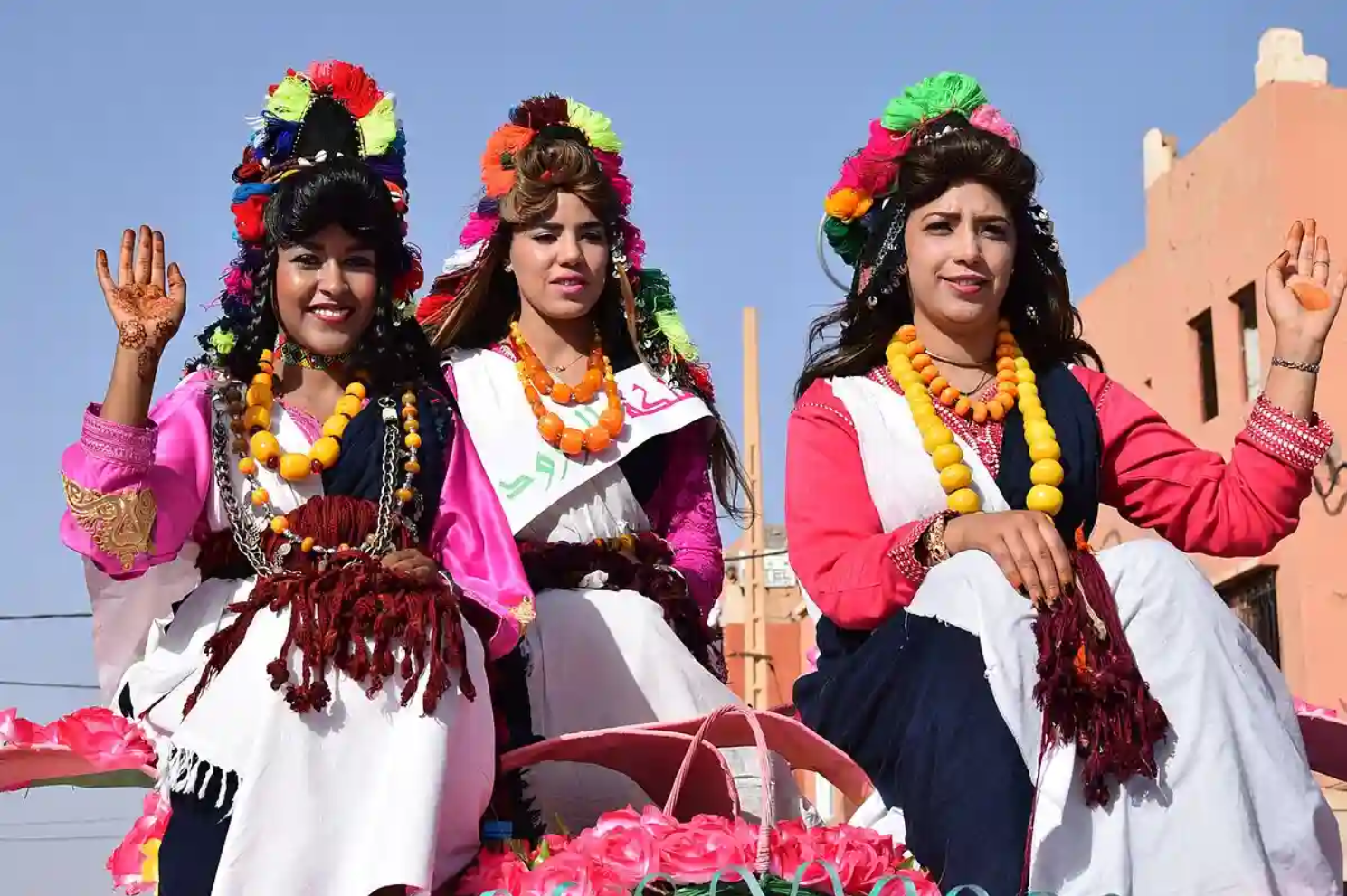
The Dades Valley in southern Morocco is the heart of Moroccan rose cultivation. Every May, the town of Kelaat M’Gouna holds a three-day festival around the harvest of the Damascus rose – the variety used in local rosewater and essential oils.
The festival includes a parade, music, and the election of a Rose Queen, but its real draw is the setting: narrow Berber villages surrounded by rose fields and dramatic mountain ridges. This is a good anchor for a wider trip through the Dades and Todra gorges.
Cherry Festival, Sefrou
Sefrou, a quiet and often-overlooked town just south of Fes, holds its Cherry Festival each June to mark the cherry harvest. It is an old tradition – the festival dates back to the 1930s – and it retains a genuinely local character. Costumes, music, markets, and a Cherry Queen procession fill the streets over several days.
It makes a very natural day-trip addition for anyone spending time in Fes.
Moussems and Traditional Gatherings
Tan-Tan Moussem
The Tan-Tan Moussem, held in southern Morocco near the edge of the Sahara, is recognized by UNESCO as Intangible Cultural Heritage of Humanity. It brings together nomadic and semi-nomadic Saharan communities for several days of music, poetry, dress, trade, and ritual, preserving traditions passed down through generations.
Horse and camel processions, traditional performances, tribal dress, and large open markets define the event. The journey to Tan-Tan is itself part of the experience: this is a remote, striking corner of Morocco where Saharan culture still feels deeply alive.
Imilchil Marriage Festival
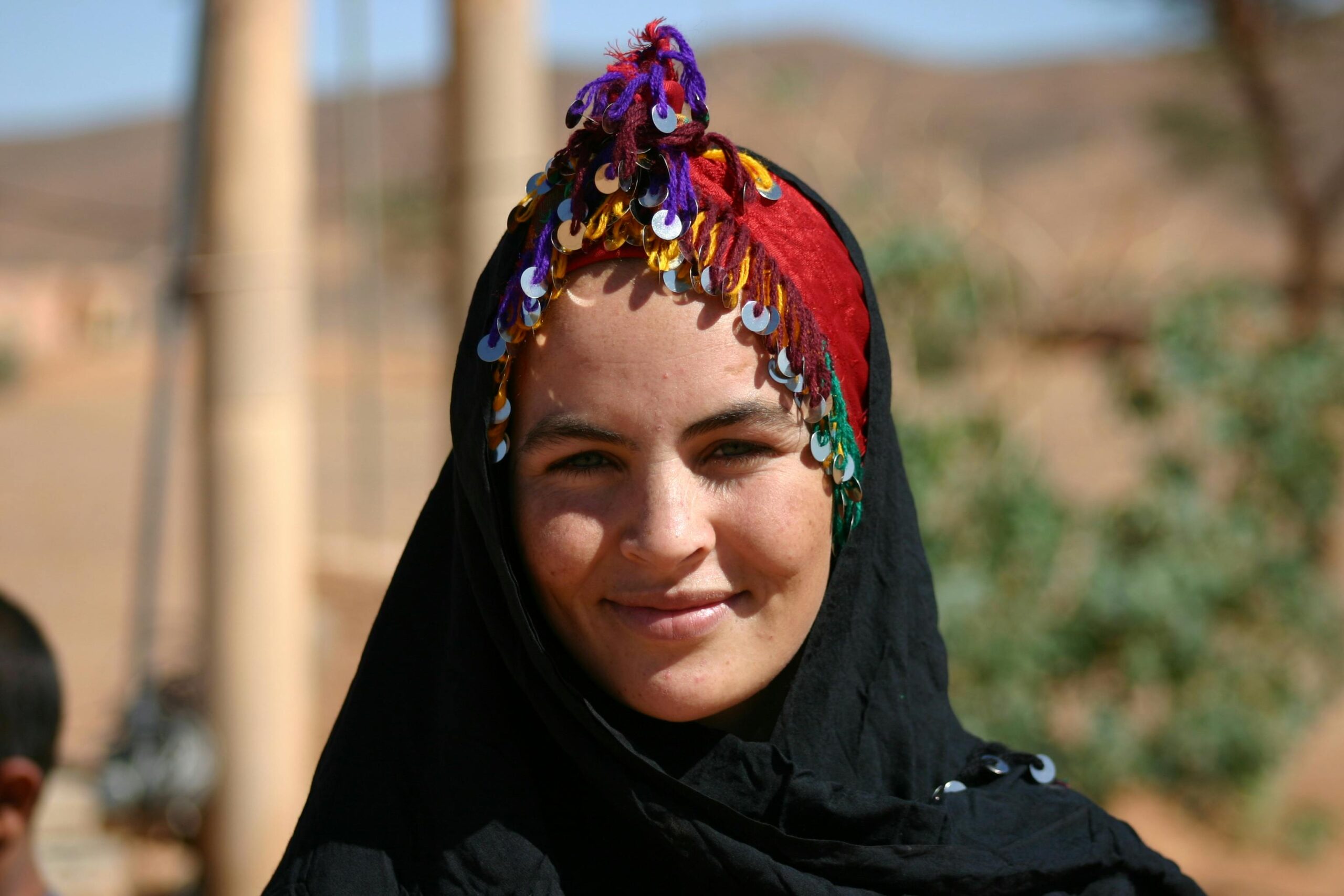
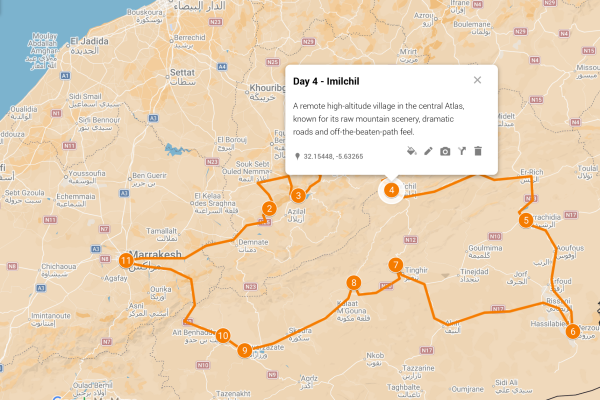
Deep in the High Atlas, in a remote plateau of the Aït Hadiddou Berber tribe, the Imilchil Marriage Festival is one of Morocco’s most talked-about traditional gatherings – and one of the most misunderstood. It originates from an ancient tribal custom allowing young men and women to meet, choose a partner, and formalize betrothals in a single annual event.
The festival combines that social ritual with a large regional market, music, and the full colour of Aït Hadiddou dress – women in distinctive striped wool cloaks and silver jewellery, men on horseback. It usually takes place in September. The journey to Imilchil is long and the roads are mountain roads, but the setting – open plateau, Atlas peaks, a sky that feels very close – is extraordinary. A word of caution: the festival has attracted growing tourist attention in recent years, and some coverage has treated it as a spectacle rather than a living tradition. Go as an observer, not a spectator.
International Nomads Festival, M'Hamid el-Ghizlane
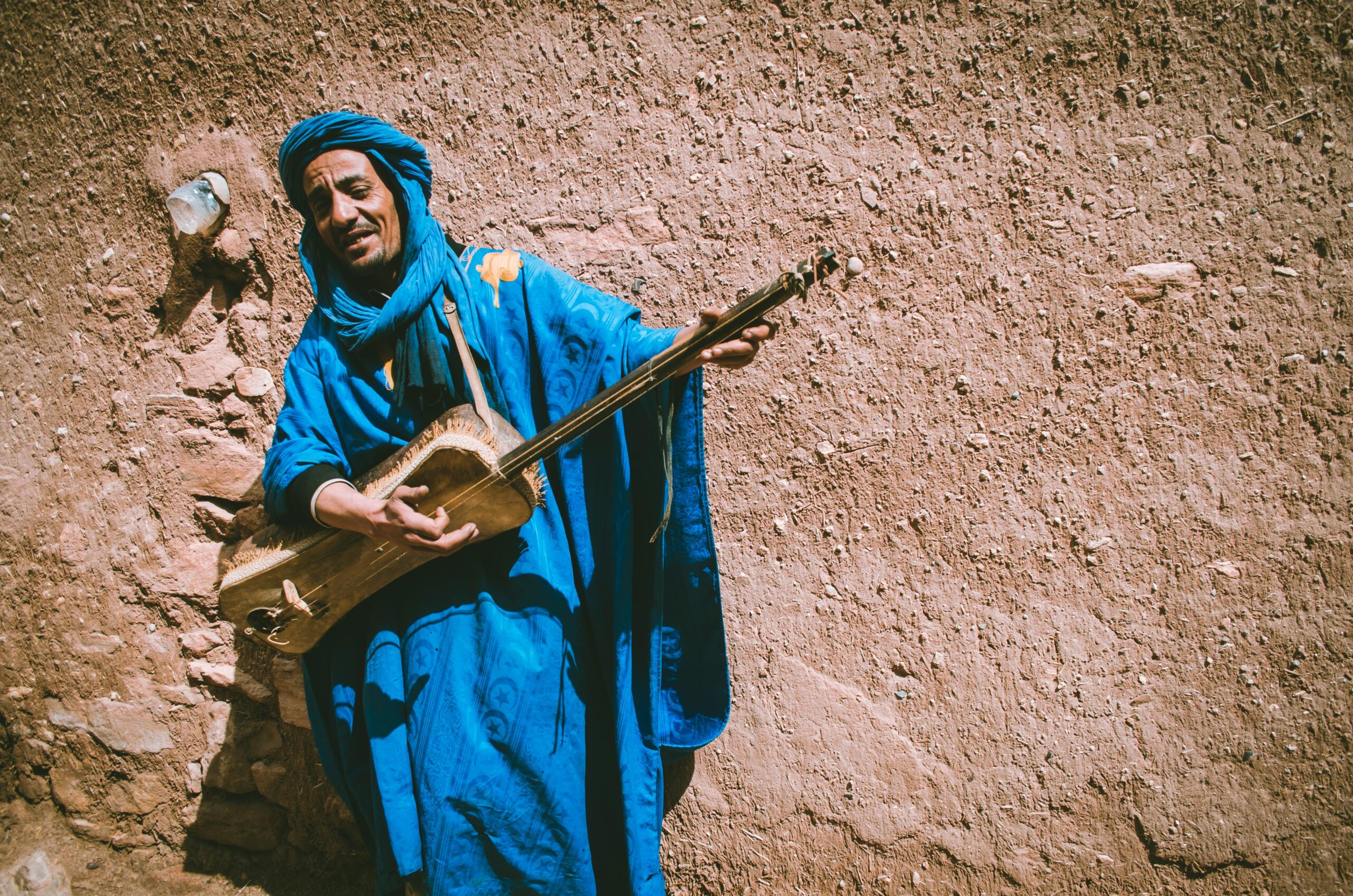
Held at M’Hamid el-Ghizlane, the last village before the dunes of the Sahara, this younger festival was created to celebrate the nomadic heritage of the region. Camel races, desert music, storytelling, and Tuareg cultural performances draw an international audience to an otherwise very remote location.
The festival typically takes place in late February or March, which coincides with some of the most pleasant desert weather of the year. It is a natural companion to a Sahara trip.
Tbourida
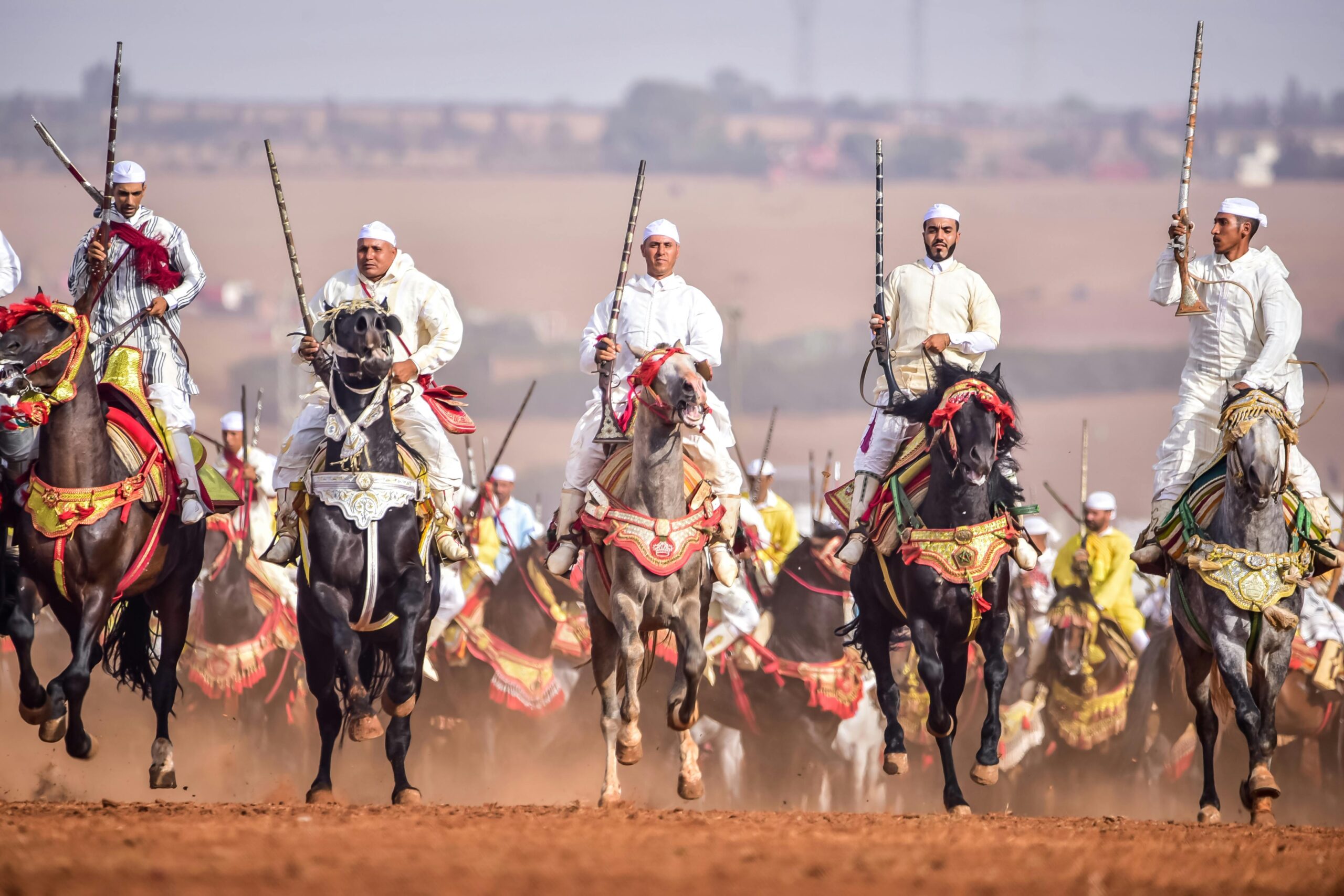
Tbourida – also known as Fantasia – is one of the most distinctive spectacles in Moroccan culture, and one of the few traditions you are likely to encounter at moussems, royal celebrations, and regional festivals across the country. It involves a line of horsemen in full ceremonial dress charging in formation at full gallop, firing antique muskets simultaneously into the air at the moment of climax. The sound, the dust, and the synchronised precision of the charge make it genuinely arresting to watch. Recognised by UNESCO as an Intangible Cultural Heritage, Tbourida is not a show staged for tourists – it is a living practice with deep roots in tribal identity and horsemanship tradition. Attending a moussem where Tbourida is performed, rather than seeking it out as a standalone attraction, is the most natural way to experience it in context.
A Seasonal Overview
Winter (December – February) – The calendar is relatively quiet, which makes events like the Almond Blossom Festival in Tafraoute and the early Sahara-region festivals stand out clearly. Travel conditions in the south are excellent.
Spring (March – May) – The season’s energy builds quickly. The Rose Festival in Kelaat M’Gouna, the Fes Festival of World Sacred Music, Mawazine in Rabat, and the Tan-Tan Moussem all cluster in this period. This is Morocco’s most event-rich season for travelers.
Summer (June – August) – The Gnaoua Festival in Essaouira, the Cherry Festival in Sefrou, and Timitar in Agadir anchor the summer calendar. The coast comes alive. Inland cities are very hot.
Autumn (September – November) – A quieter period for festivals, but the Marrakech International Film Festival closes out November with considerable atmosphere. Weather across the country is generally excellent.
Ramadan and Religious Holidays
The Islamic calendar is lunar, which means dates shift by roughly eleven days each year. Travelers should check the expected timing of Ramadan, Eid al-Fitr, and Eid al-Adha before booking.
Ramadan transforms daily life across Morocco. Restaurants and cafes close during daylight hours. The pace of commerce slows. But after sunset, cities come alive – street food, lanterns, long family meals, and music in the medinas. Travelers who plan around this can find it a genuinely moving time to be in Morocco. Those who have not planned for it may find it more limiting than expected.
Eid al-Adha is the most important holiday of the year. Banks, offices, and many businesses close for several days. Transport is heavily booked. This is not an ideal time to arrive in Morocco unprepared, but if you are already settled somewhere, it can be an extraordinary window into one of the country’s most significant cultural moments.
Practical Advice for Travelers
Book accommodation early. During major festivals – particularly the Gnaoua Festival, the Fes Festival, and the Marrakech Film Festival – hotels and riads in the host cities fill weeks or months in advance. Prices rise accordingly. Plan as early as possible.
Check dates each year. Festival dates shift, sometimes by a week or two. Official dates are usually confirmed a few months before the event. For religious holidays, tools that calculate the Islamic calendar can give a reliable estimate.
Respect the context of moussems. These are not performances staged for visitors. Dress modestly, observe quietly, and ask before photographing people in religious or ceremonial moments.
Factor in travel in the south. Events like the Tan-Tan Moussem and the Nomads Festival require getting to remote areas of the country. Build extra travel time into your itinerary and check road conditions, especially after winter.
Combine events with regional travel. Many festivals are in locations worth visiting in their own right. The Rose Festival pairs naturally with the Dades and Todra gorges. The Fes Festival is a reason to spend more time in the medina. The Nomads Festival is a reason to go deep into the Sahara. Think of the festival as an anchor, not a destination in isolation.
Page last updated: June 2026
Anything we can improve? Let us know
Plan Your Morocco Trip
Compare hotels, flights and rental cars
Compare hotels, riads and guesthouses across Morocco on Booking.com:
Compare flights to Morocco on Aviasales:
Find the right rental car for your Morocco trip with EconomyBookings: