

Main Dishes
Moroccan cuisine is not a backdrop to your trip. For many travelers, it becomes the memory that outlasts everything else: the slow-braised lamb that fell apart without a fork, the saffron rising from a clay pot before the lid was even lifted. But arriving in Morocco without a basic understanding of the food means navigating menus by guesswork, and often settling for a tourist-facing version of dishes that deserve far better.
Tagine: The One Everyone Knows, and the One Most Get Wrong
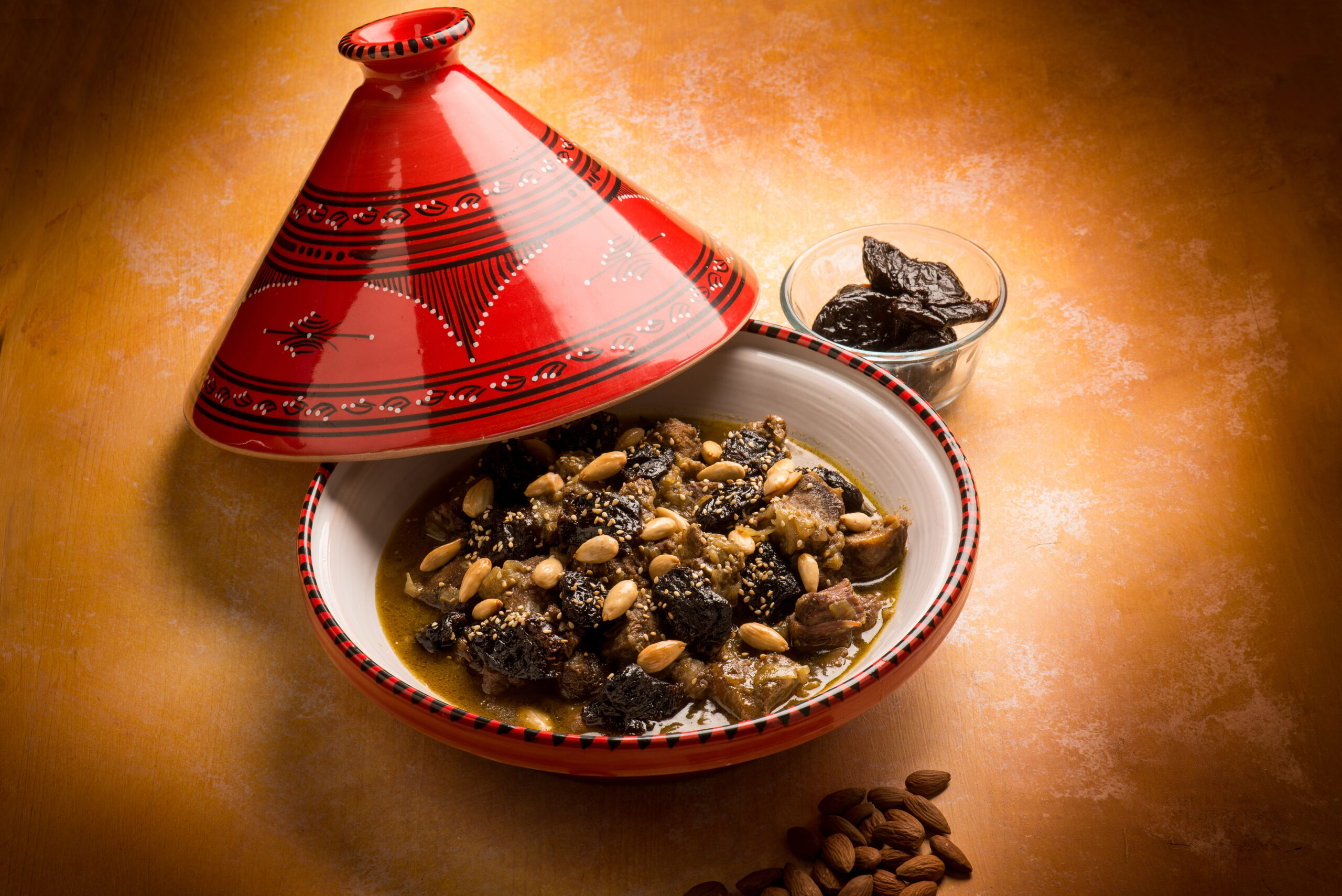
Tagine is, without question, the most recognized Moroccan dish abroad. It is also one of the most misunderstood. The word refers both to the conical clay vessel and to the slow-cooked stew prepared inside it – a distinction that matters because the pot is not decorative. The shape of the lid is functional: it circulates steam, basting the ingredients continuously and producing a depth of flavor that a regular casserole cannot replicate.
A well-made tagine is a study in patience and proportion. Common preparations include lamb with prunes and almonds, chicken with preserved lemon and olives, and kefta (spiced ground meat) with eggs in a tomato sauce. The seasoning typically draws on ras el hanout, cumin, ginger, cinnamon, and saffron – a spice profile that is warm rather than fiery, and layered rather than blunt.
What to avoid: in tourist-heavy medinas, tagines are frequently served too quickly, reheated rather than slow-cooked, and presented in decorative pots that have never been near a charcoal fire. The difference in taste is significant. A tagine worth eating takes time. When in doubt, choose a restaurant where the dish is not listed at the top of a laminated English menu.
Couscous: The Friday Dish
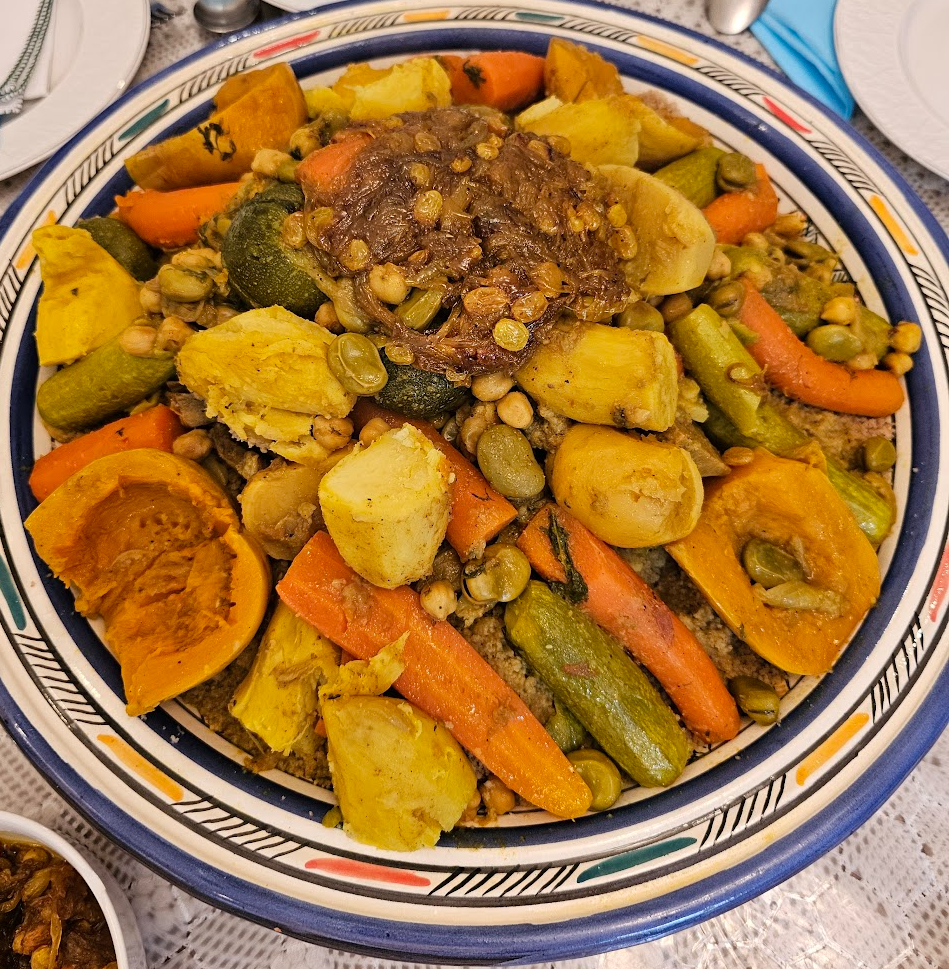
Couscous is so central to Moroccan identity that it carries an entire social ritual with it. Traditionally served on Fridays – the day of communal prayer – it is a dish that gathers families around a shared platter, and its preparation is considered a marker of culinary skill.
The grain itself is made from semolina, hand-rolled and steamed multiple times over a fragrant broth. The result, when done properly, is light and separate, never heavy or gluey. It is served with a meat or vegetable stew ladled over the top – seven vegetables is a classic combination – and accompanied by a small bowl of additional broth for moistening.
Couscous in restaurants exists on a spectrum. At the high end, it is remarkable. At the low end, it is reconstituted from a packet. The best versions are found at family-run establishments and riads that make it to order on Fridays. If you happen to be invited to a Moroccan home for Friday lunch, this is the dish that will be waiting.
Pastilla: Complexity in Layers
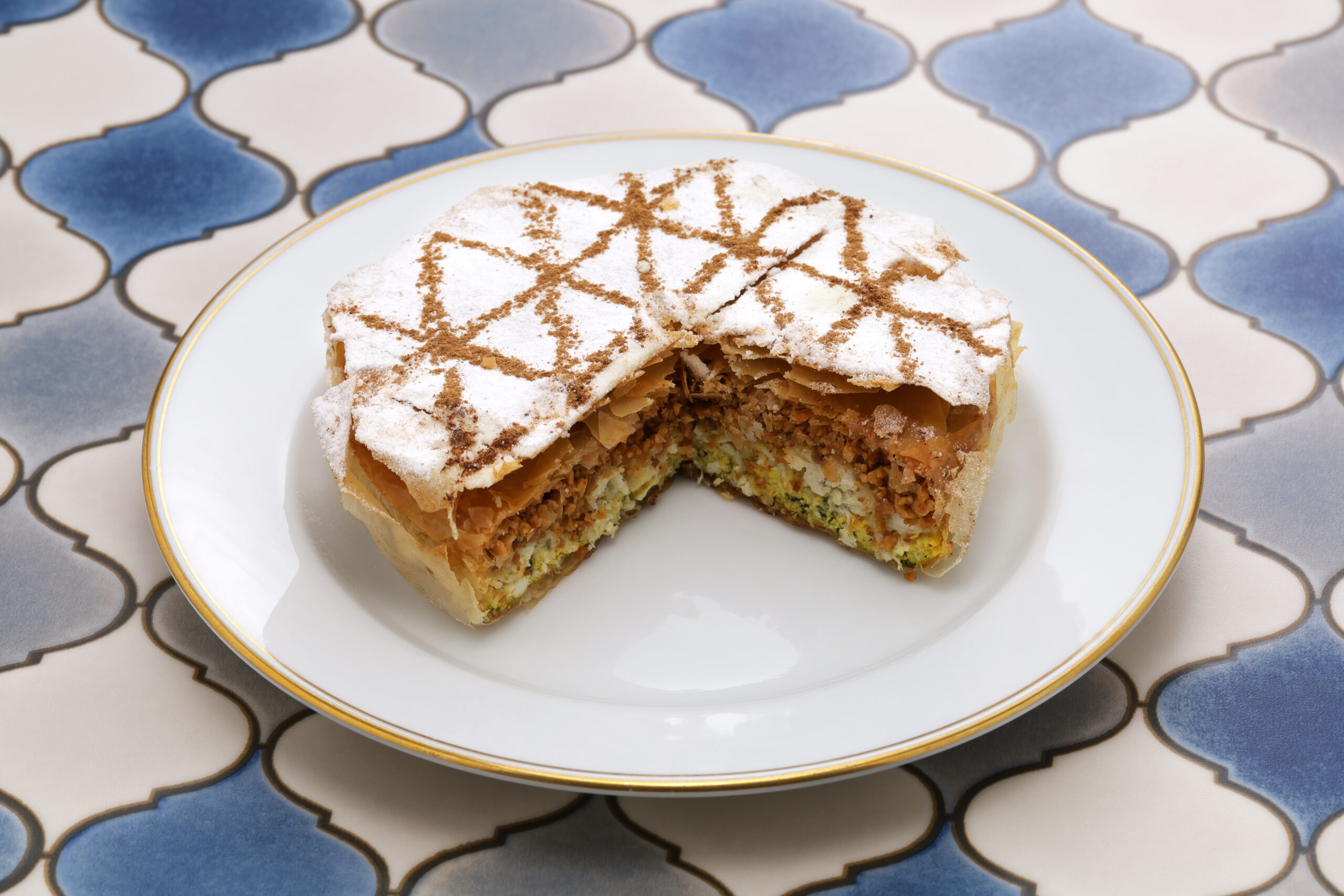
Pastilla (also spelled bastilla or b’stilla) is the dish that most surprises first-time visitors – and the one that best illustrates the range of Moroccan cooking. It is a savory-sweet pie made from warqa pastry, a paper-thin dough similar to phyllo, layered around a filling of slow-cooked pigeon or chicken, eggs scrambled with onion and herbs, and ground almonds sweetened with sugar and orange blossom water. The whole is dusted with cinnamon and powdered sugar before serving.
The combination sounds unlikely. It tastes extraordinary.
Pastilla originated in Fez and remains most closely associated with the imperial cities. It is a celebration dish, traditionally made for weddings and important feasts, and its preparation is labor-intensive enough that few restaurants make it from scratch daily. A seafood version – with vermicelli, shrimp, and cream – has become popular in coastal cities and is excellent in its own right, though it is a more modern preparation.
When ordering pastilla, ask whether it is made in-house. The warqa pastry is the key: fresh and properly layered, it shatters and gives way to the filling in a way that the bought version never manages.
Plan your Morocco Trip with our Free Morocco Travel Maps
Ready-made itineraries for 3, 7, 10 and 14 days
Best spots by city, coast, desert & mountains
Handpicked hotels, riads & resorts
Restaurants, viewpoints & activities
Key neighborhoods & transport tips
Free access. Regular updates. No spam.
Harira: The Soup That Eats Like a Meal
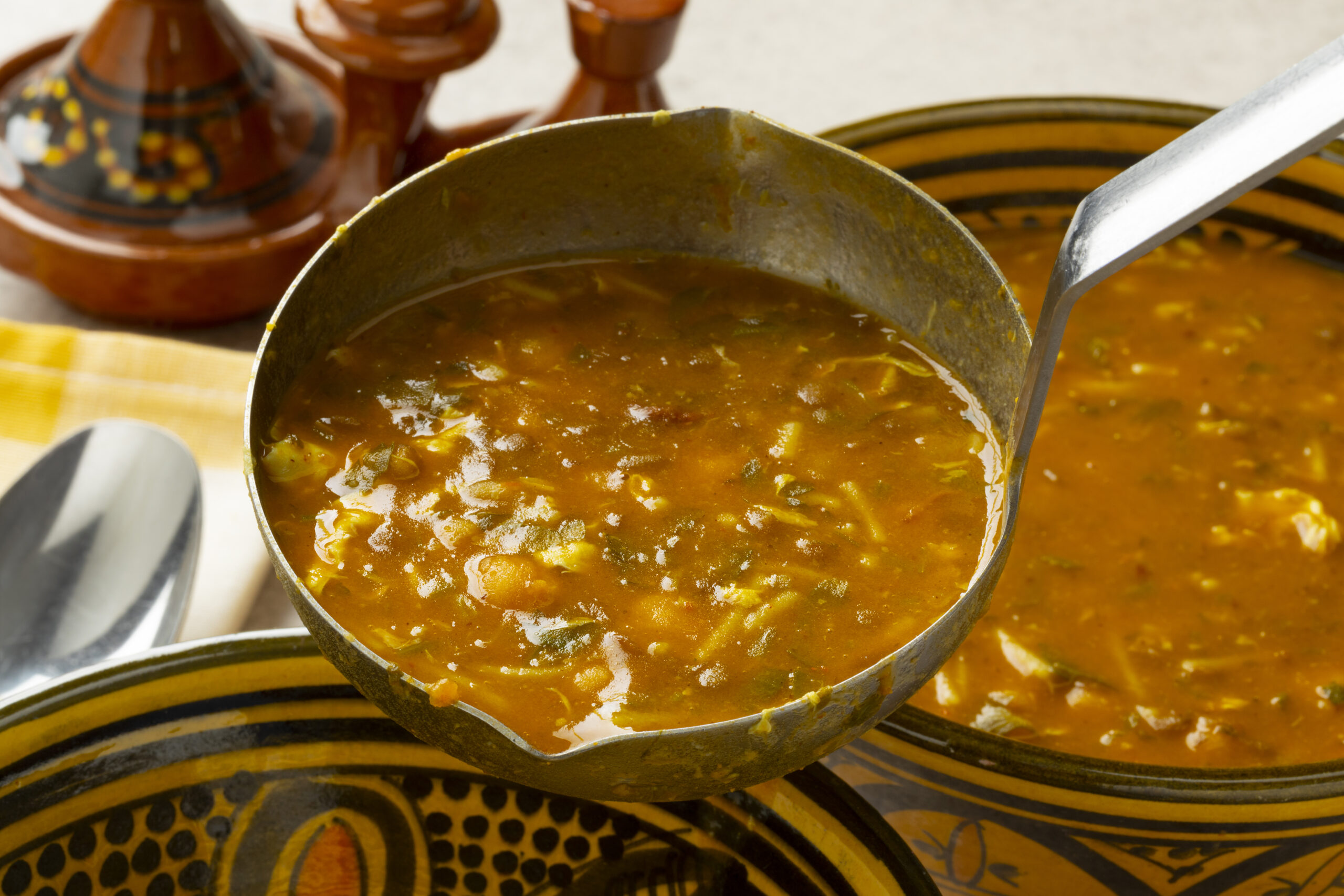
Harira sits in an interesting position in Moroccan food culture. It is, technically, a soup – but it is thick, filling, and complex enough to function as a main dish, and for many Moroccans it is exactly that. A tomato and lentil base, enriched with chickpeas, broken vermicelli, fresh herbs, and a thickening agent called tedouira (a mixture of flour and water), harira is seasoned with saffron, ginger, cinnamon, and coriander into something that feels warming and complete.
It is the dish used to break the Ramadan fast each evening, and street stalls selling harira at sunset during that month form one of the most vivid food scenes in any Moroccan city. Outside of Ramadan, it is served year-round in medina restaurants as a starter or as a light meal in its own right – typically accompanied by dates, chebakia (a sesame-honey pastry), or a hard-boiled egg.
Rfissa: The Dish You May Not Find on a Menu
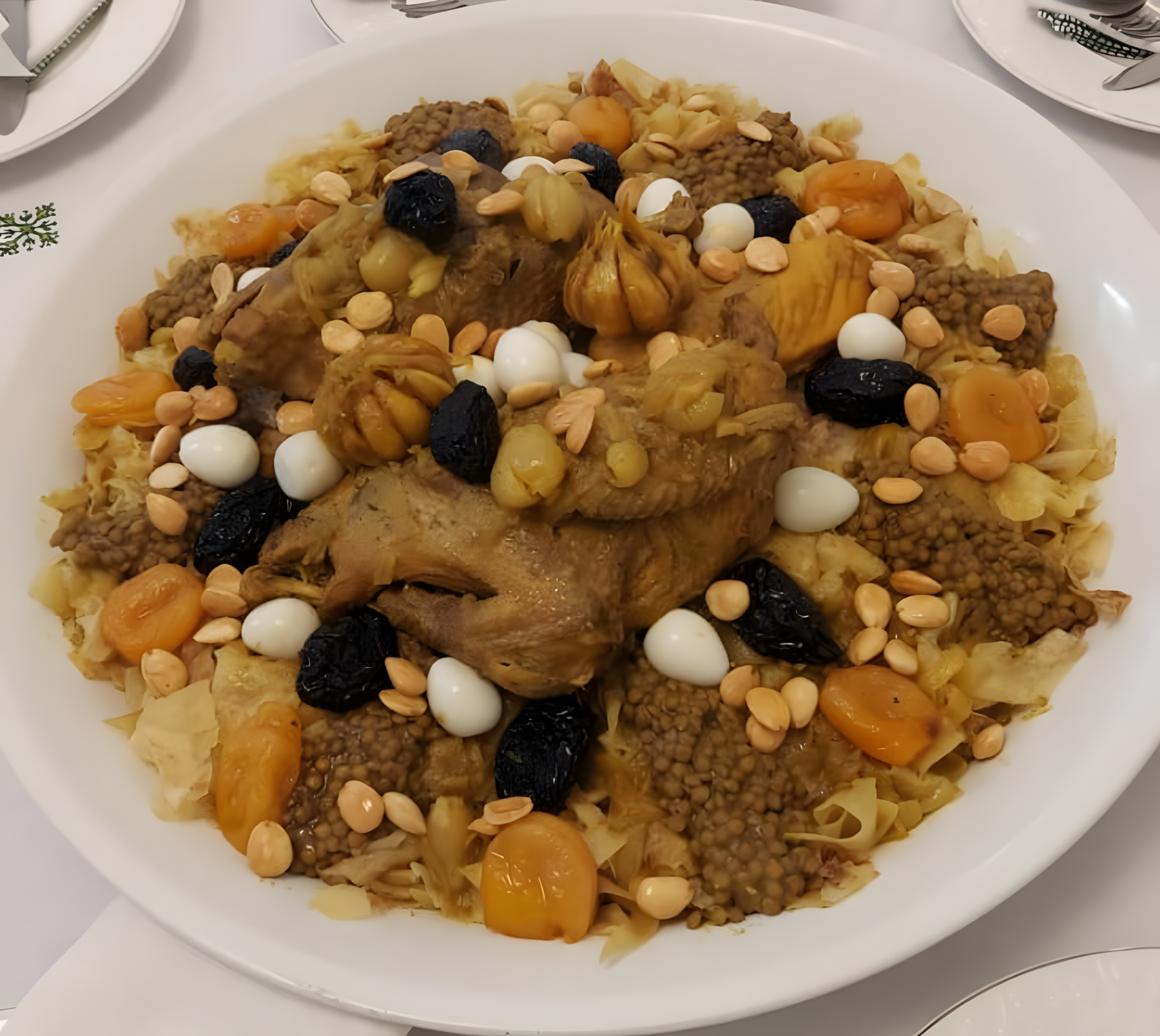
Rfissa is not a common restaurant dish, which is part of why many travelers never encounter it. It is a home-cooked celebration food, traditionally prepared for women after childbirth and for family gatherings. The base is msemen – a layered, flaky flatbread – torn into pieces and soaked in a rich broth made with chicken, lentils, fenugreek, and ras el hanout. The fenugreek gives the dish a distinctive bittersweet note that takes a moment to read and is difficult to forget.
Finding rfissa in a restaurant requires some deliberate searching. A handful of establishments in Fez and Marrakech include it on their menus, and some riads offer it by request or as part of a set menu tied to traditional home cooking. If the opportunity arises – at a local restaurant, a riad dinner, or a home invitation – it is worth taking.
Mechoui: Whole-Roasted Lamb at Its Simplest
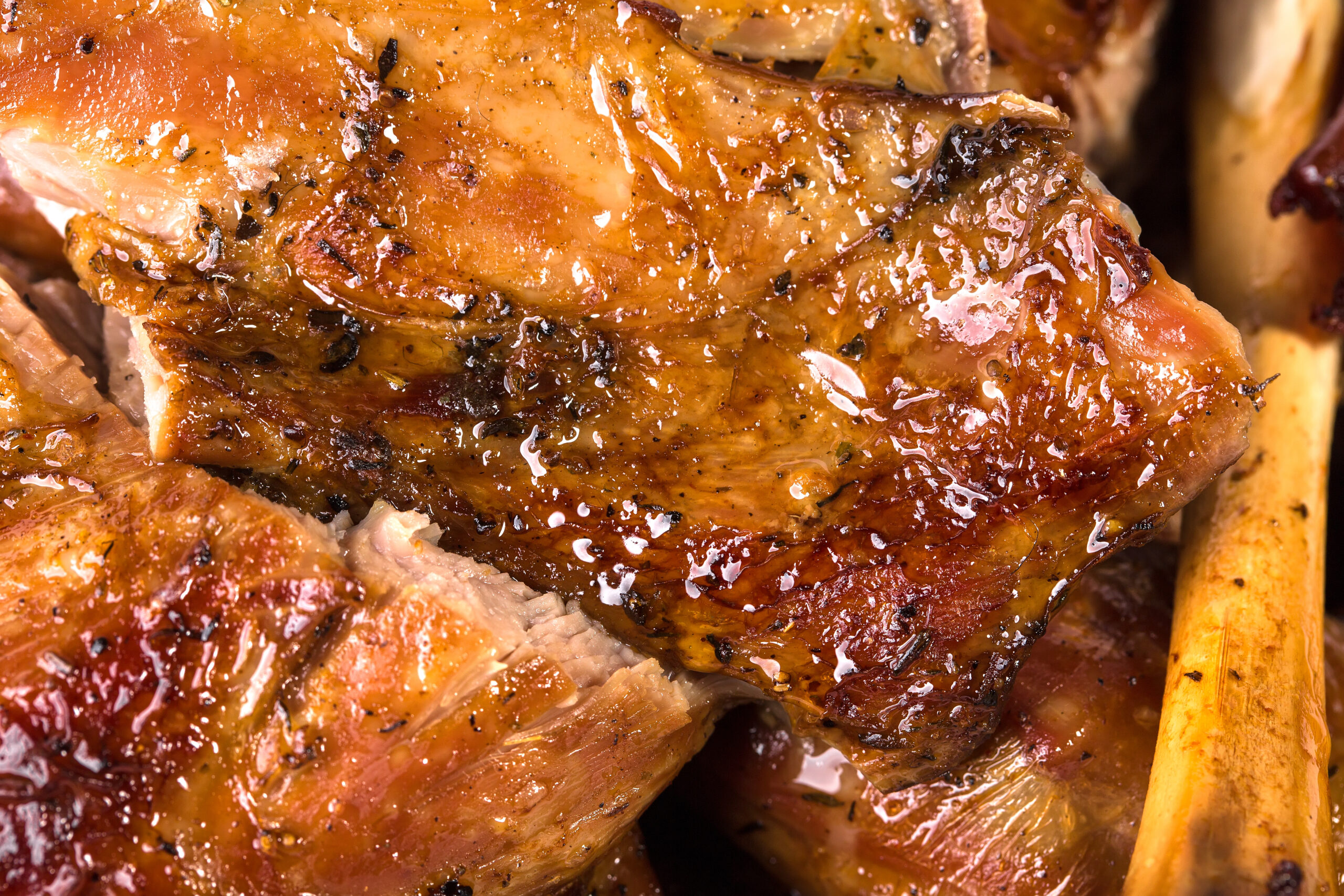
Mechoui is the kind of dish that makes arguments about the sophistication of simplicity easy to win. A whole lamb is marinated in butter, cumin, and salt, then slow-roasted in a clay-sealed pit oven until the meat is tender enough to pull apart with two fingers. It is served with nothing more than a pile of cumin and salt on the side, and it needs nothing else.
Mechoui is a feast dish – made for large gatherings, moussems (local festivals), and family celebrations. In Marrakech‘s Djemaa el-Fna square, a more accessible version can be found at dedicated mechoui stalls in the surrounding lanes, where vendors sell portions by weight from whole lambs roasted underground since early morning. It is one of the most direct and honest food experiences the city offers.
Tanjia: Marrakech’s Slow-Cooked Specialty
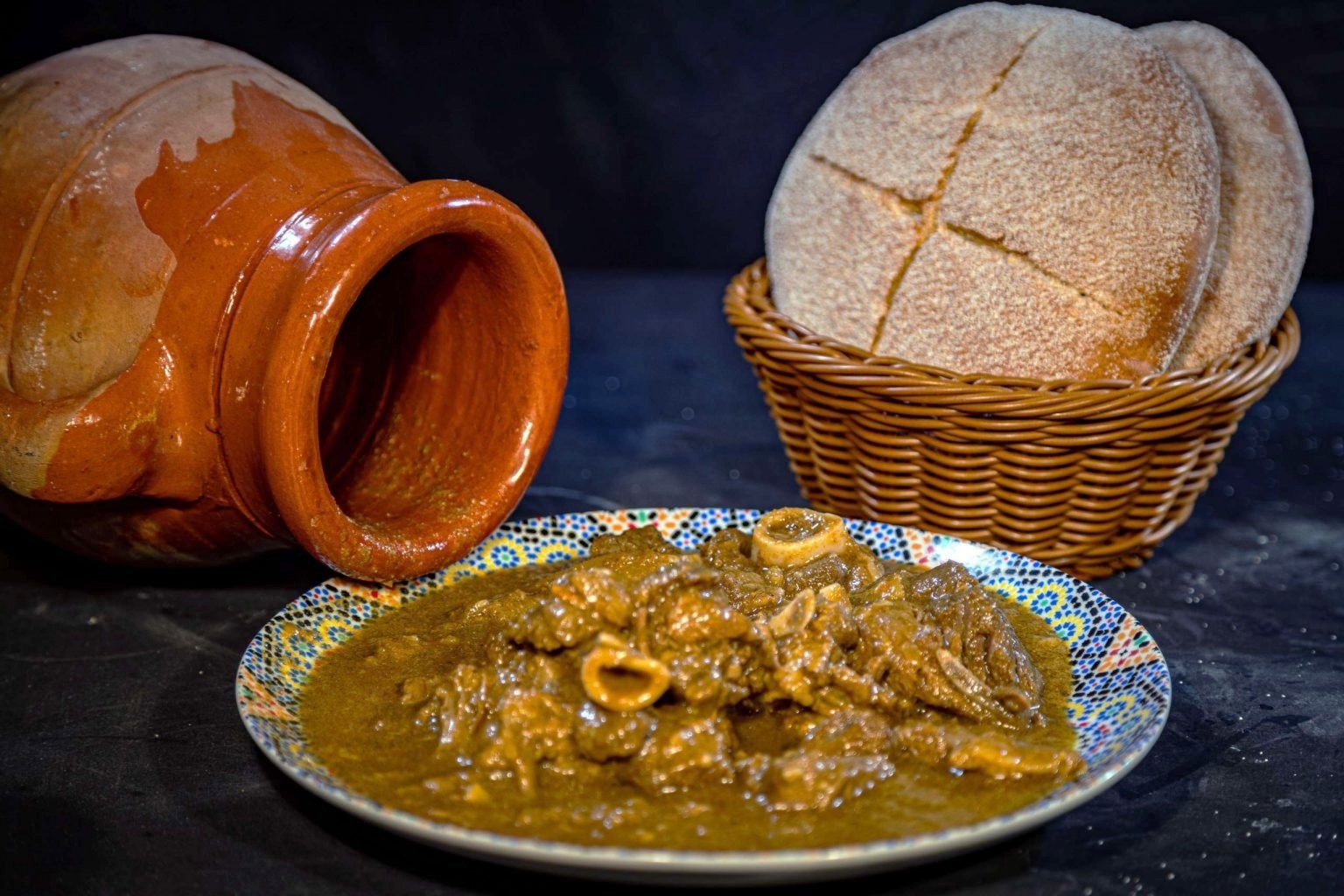
Tanjia is one of Morocco’s most distinctive meat dishes, yet many first-time visitors have never heard of it before arriving in Marrakech. Unlike tagine, tanjia is not named after a style of stew but after the urn-shaped clay pot in which it is cooked. Inside go large pieces of lamb or beef, preserved lemon, garlic, cumin, saffron, smen, and a small amount of water. The pot is then sealed and left to cook slowly for hours, traditionally in the residual heat of a hammam furnace.
The result is deeply tender meat in a rich, concentrated sauce, with a flavor that is earthy, salty, and intensely Moroccan without being complicated for the sake of it. Tanjia is especially associated with Marrakech, where it has long been considered a dish tied to artisans and communal cooking traditions.
A good tanjia feels different from tagine. It is less sweet, less saucy, and more focused on the depth of the meat itself. When done properly, the lamb is spoon-soft and heavily perfumed with preserved lemon, cumin, and smen. It is one of the city’s most memorable dishes, and one that deserves to be sought out deliberately rather than stumbled upon by chance.
What to Try First
For a traveler with limited time, the priority is clear: eat a properly made tagine, seek out couscous on a Friday, and order pastilla at least once, preferably in Fez or Marrakech. These three dishes represent the range and depth of Moroccan cooking better than anything else.
Harira is worth trying as a meal starter or in its proper Ramadan context if your timing allows. Mechoui, if you find it at the stalls near Djemaa el-Fna or encounter it at a large gathering, is not optional – it is one of those dishes you will describe in detail when you return home.
Rfissa and bissara are secondary priorities in terms of traveler access, but both reward the effort of finding them.
How to Order Well and Avoid Mediocre Versions
A few practical principles are worth keeping in mind:
- Avoid restaurants on the main tourist drag. This is not a snobby observation – it is a practical one. In Marrakech’s medina and similar tourist-dense neighborhoods, menus designed for quick turnover rarely produce slow-cooked food properly. Walk one or two streets deeper and the quality changes noticeably.
- Ask about preparation time. A real tagine takes a minimum of one to two hours to cook properly. If your food arrives in fifteen minutes, it was reheated.
- Eat where locals eat. Lunch crowds at small neighborhood restaurants are a reliable signal. Moroccan cuisine is not precious or exclusive – the best versions are often found in unpretentious places with communal tables and no English translation on the menu.
- At riads, ask for traditional menus. Many riads offer set dinners showcasing traditional dishes prepared by home-trained cooks. These are often the most reliable way to taste dishes like rfissa, pastilla, and proper couscous outside of a private home.
Page last updated: June 2026
Anything we can improve? Let us know
Plan Your Morocco Trip
Compare hotels, flights and rental cars
Compare hotels, riads and guesthouses across Morocco on Booking.com:
Compare flights to Morocco on Aviasales:
Find the right rental car for your Morocco trip with EconomyBookings: