

Stories >
10 Coastal Escapes in Morocco That Are Still Under the Radar
Quiet beaches, surf villages, and wild Atlantic landscapes worth the detour.
May 4, 2026
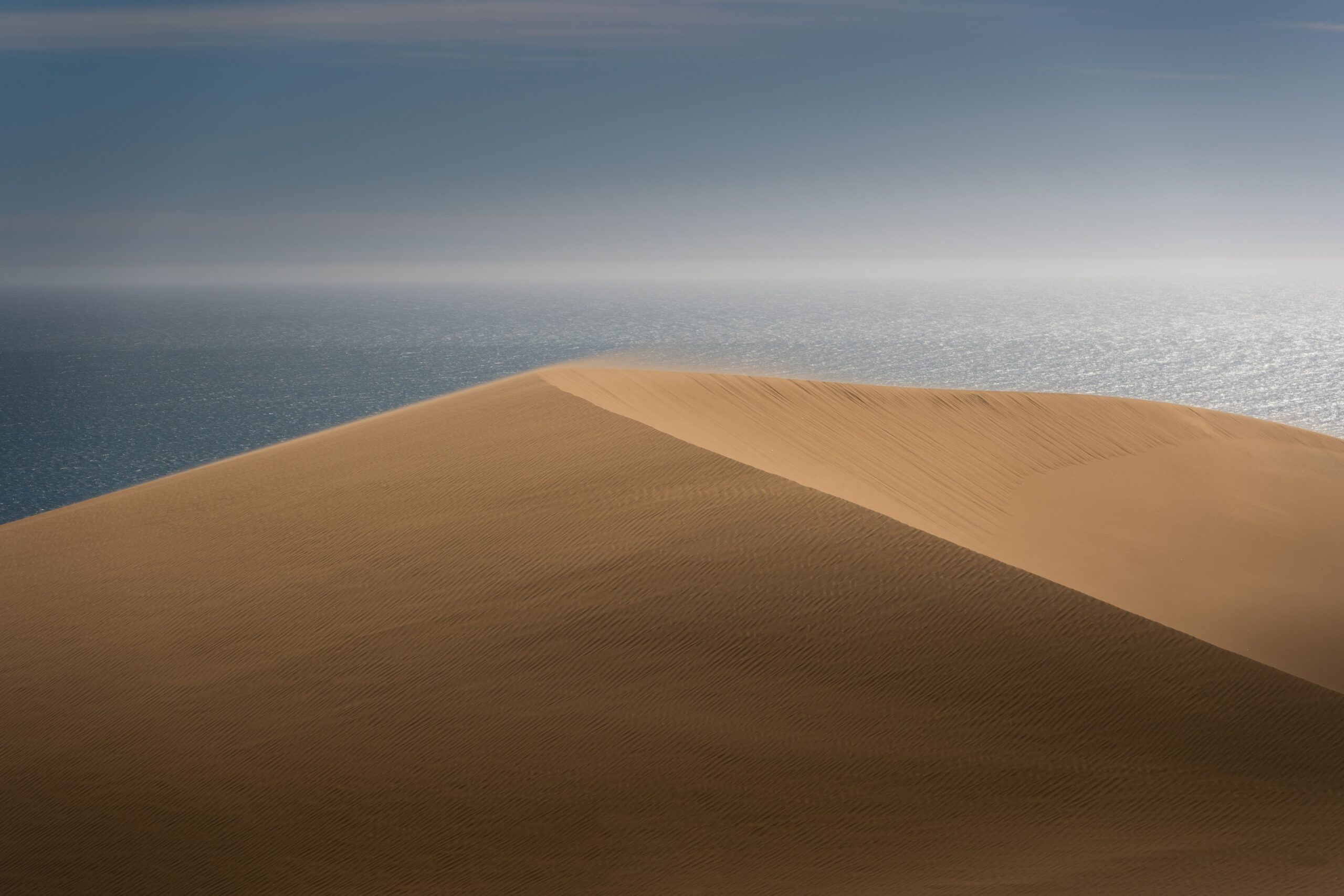
Morocco has a coastline that stretches for over 3,500 kilometres, running from the Mediterranean in the north to the edge of West Africa in the south. Most international visitors experience perhaps two or three stops along it – Agadir for the sun, Essaouira for the wind and the medina. Both are worth your time. But Morocco’s coast is far more varied, far less documented, and in some stretches, far more compelling than those two cities alone would suggest.
This is not a list of undiscovered places. Some of the destinations below are fashionable, resort-polished, or actively changing. Others are quiet in the best possible sense: genuinely uncrowded, logistically honest, and not yet shaped around tourist expectations. A few sit somewhere in between.
What they share is a reason to go. And in most cases, a reason to stay longer than you planned.
1. Imsouane, Morocco's Trendiest Surf Village
Imsouane sits on a curved bay roughly 90 kilometres north of Agadir, and for several years it has been the most talked-about surf destination on the Moroccan Atlantic. The bay produces one of the longest right-hand waves in Africa a slow, forgiving ride that works well for intermediate surfers and attracts a mix of Moroccan weekenders, European surf travellers, and the kind of people who find somewhere good and quietly tell everyone they know.
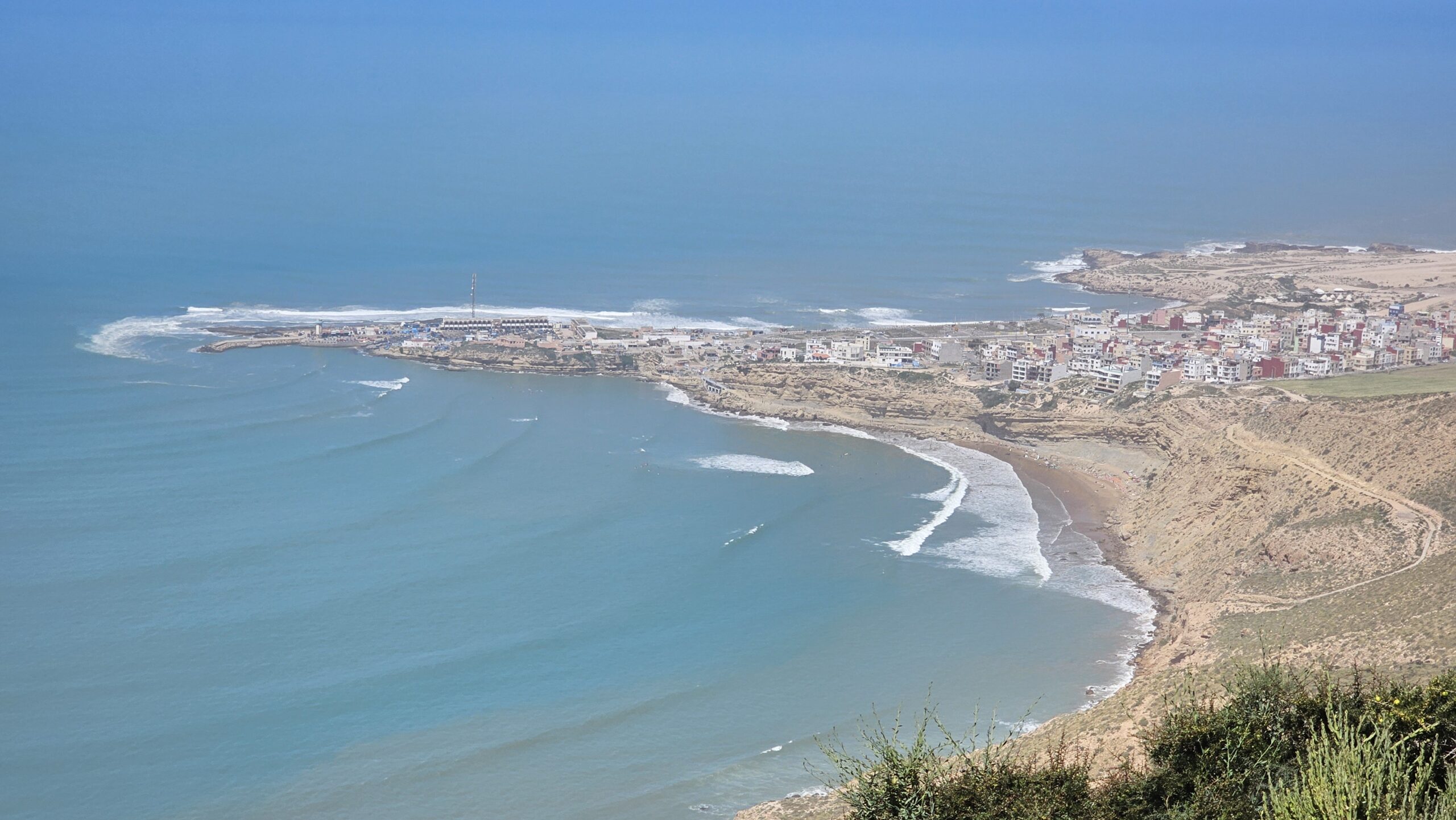
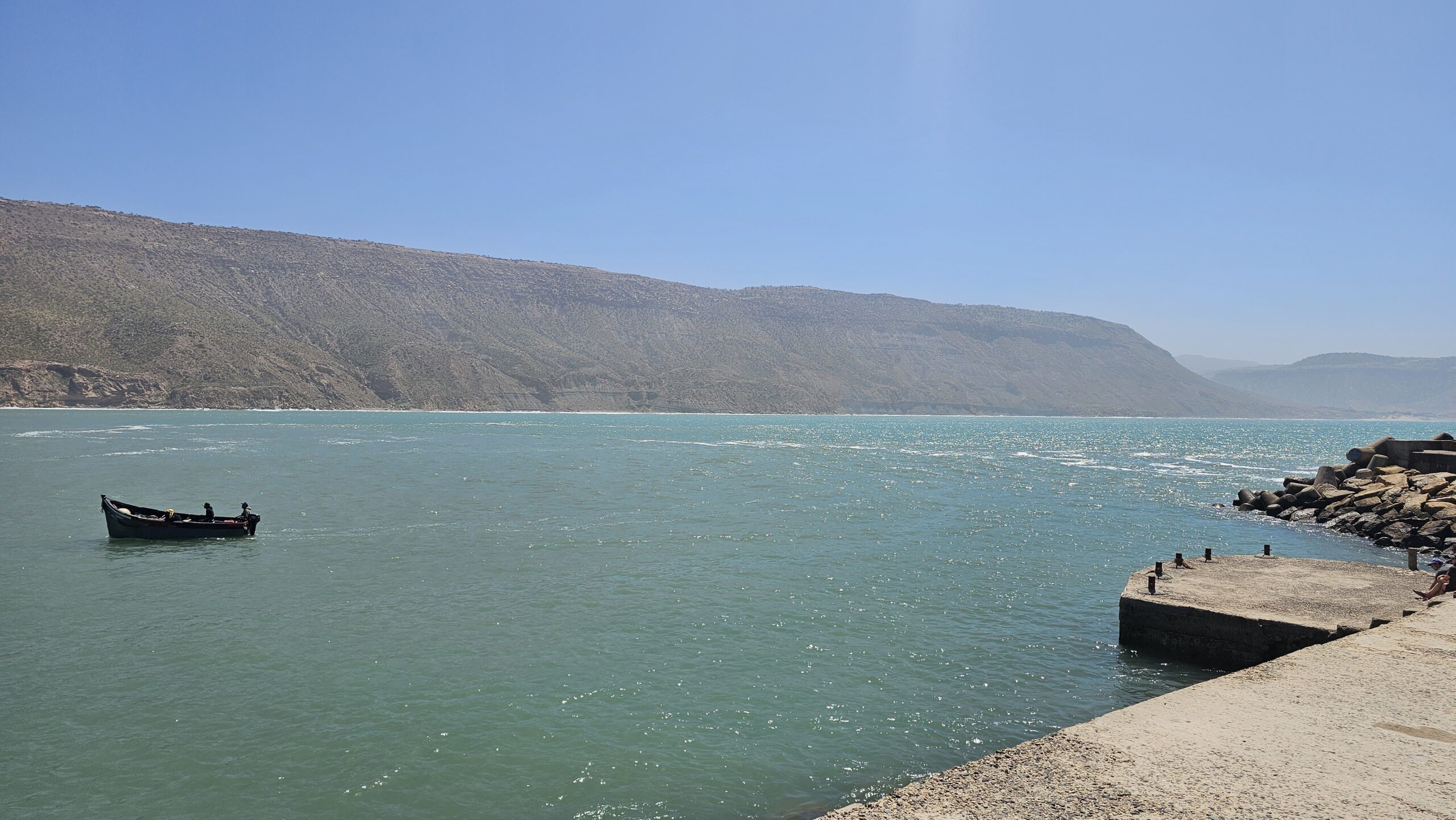
The village itself is small. There is a fishing harbour, a ridge of simple restaurants above the rocks, a cluster of surf camps and guesthouses, and a pace of life that resists over-programming. The light in the late afternoon is excellent. The seafood – particularly grilled fish bought directly from the boats – is as good as anywhere on the coast.
Best for: Intermediate surfers, people who want pace over polish, Atlantic light and honest seafood.
Ideal stay: 3 to 5 nights. Long enough to settle into a surf rhythm without waiting for the place to entertain you.
Skip it if: You need reliable infrastructure, consistent Wi-Fi, or a polished hotel experience. Imsouane is still a working village first.
2. Asilah, The Atlantic Art Town
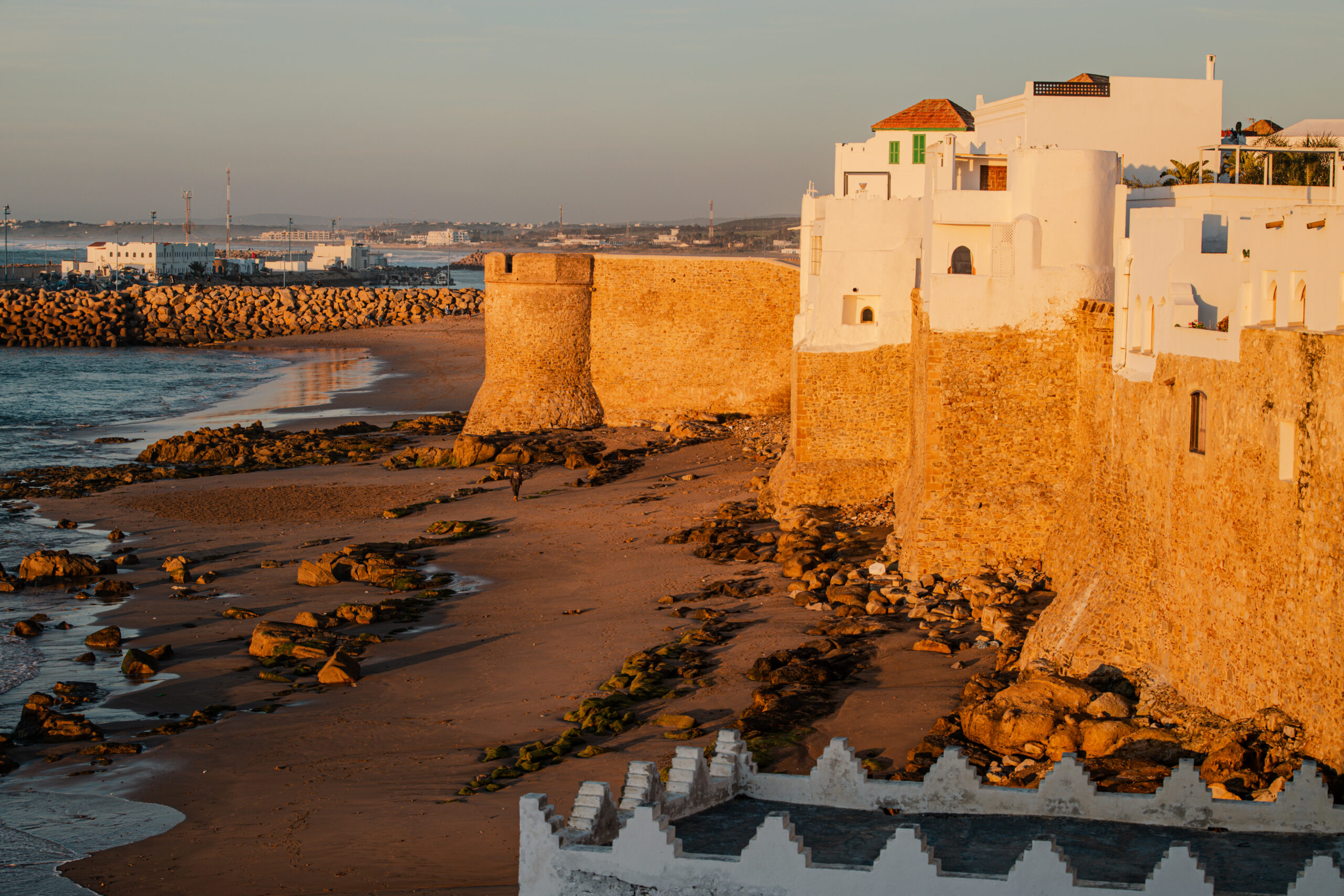
Asilah is one of the more quietly sophisticated small towns on the Moroccan Atlantic, and it is consistently underrated by visitors who move between Tangier and Chefchaouen without pausing. The medina is compact, whitewashed to a particular shade of blue-white that photographs cleanly and looks even better in person, and maintained with a care that reflects both civic pride and a long tradition of arts residencies and cultural programming.
The ramparts that run along the seafront are Portuguese in origin – built in the 15th century, and still structurally commanding. The Atlantic below them is wild and grey in winter, brighter in summer, and the combination of fortified walls, painted murals, and open sea gives Asilah a visual quality that is genuinely its own.
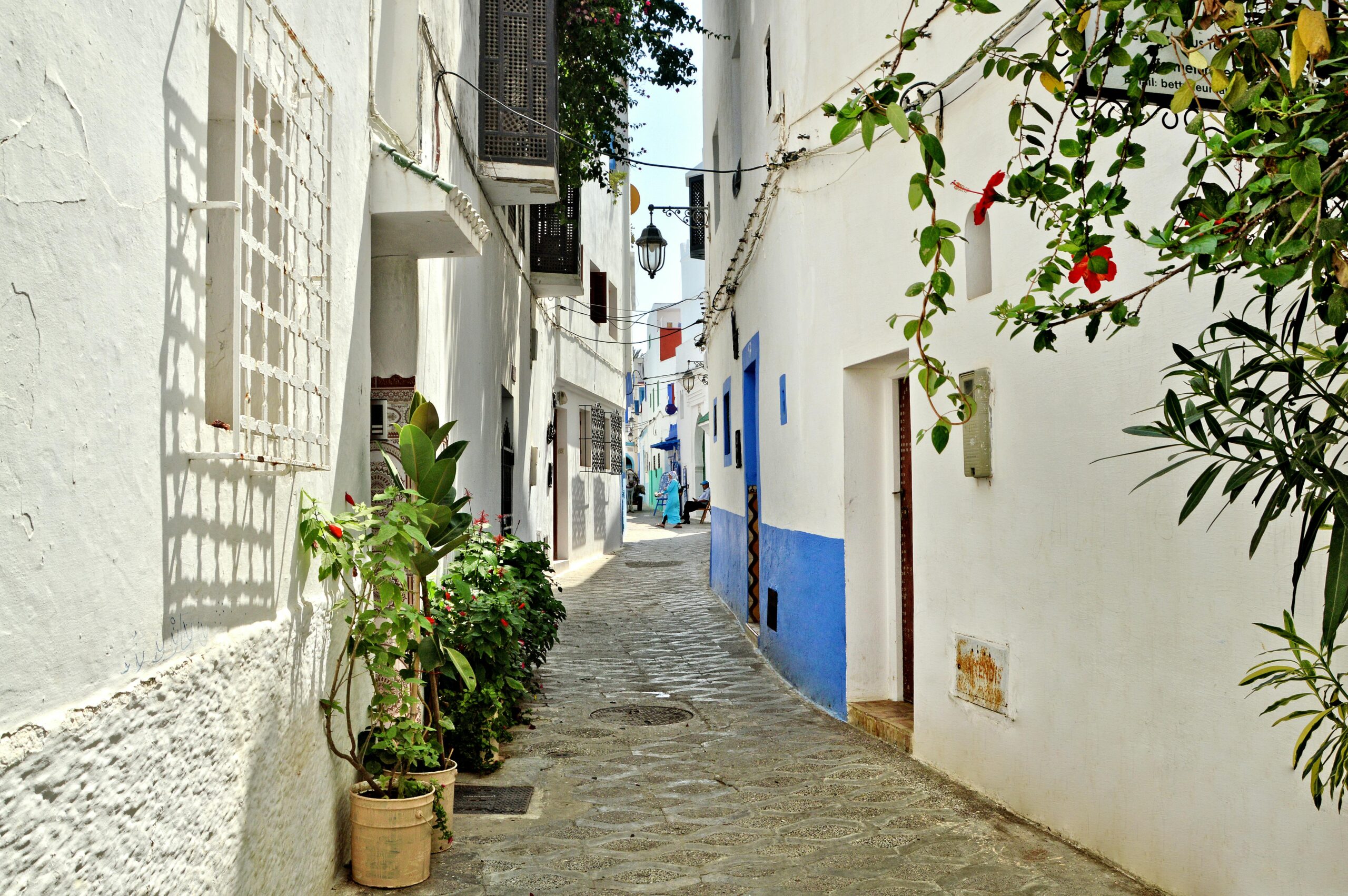
The town hosts an internationally recognized arts festival each summer – the Moussem Cultural International – which has been running since 1978 and brings muralists, musicians, and artists from across the Arab world and beyond. Outside of festival season, the medina is calm, the galleries are low-key but real, and the pace is easy without being dull.
Asilah is not a beach town in the conventional sense. The beaches north and south of the town are long and Atlantic-wild, more suited to walking than swimming. The draw here is the town itself: the architecture, the art, the light, the quality of the fish restaurants along the port road.
Best for: Culture-focused travellers, photographers, people who want Atlantic atmosphere over beach facilities.
Ideal stay: 2 to 3 nights. Asilah is best experienced slowly, and it pairs naturally with a day trip to Tangier or the nearby Cromlech of M’Soura.
Skip it if: You are travelling in peak August without a reservation. The festival season transforms the town and brings crowds that its narrow streets were not designed for.
3. Dakhla, Where the Desert Meets the Ocean
Dakhla is not a beach destination in any conventional sense, and it is worth being clear about that before you go. Set on a narrow peninsula between the desert and the Atlantic in Morocco’s far south, it sits beside a vast lagoon with a very specific appeal: raw landscapes, steady wind, water sports, and the strange, compelling quality of being somewhere that feels genuinely remote without being inaccessible.
The lagoon is world-class for kitesurfing and windsurfing. That is not marketing language – it is simply accurate. The consistent trade winds, the shallow flat water on the lagoon side, and the deeper swell on the Atlantic side make Dakhla one of the most technically varied kitesurfing destinations anywhere in the world, and the sport has become the organizing principle around which most of the upscale infrastructure has developed.
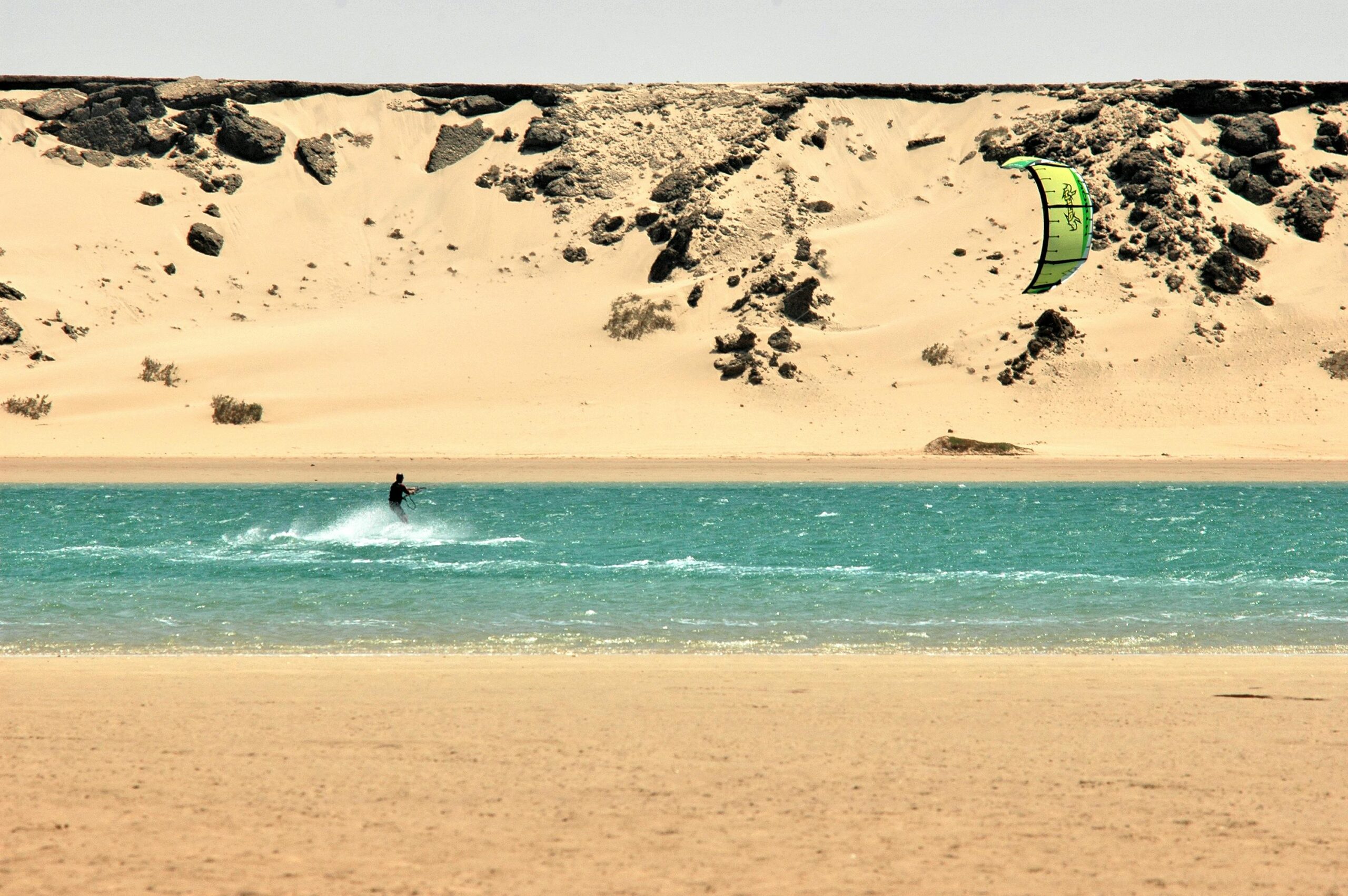
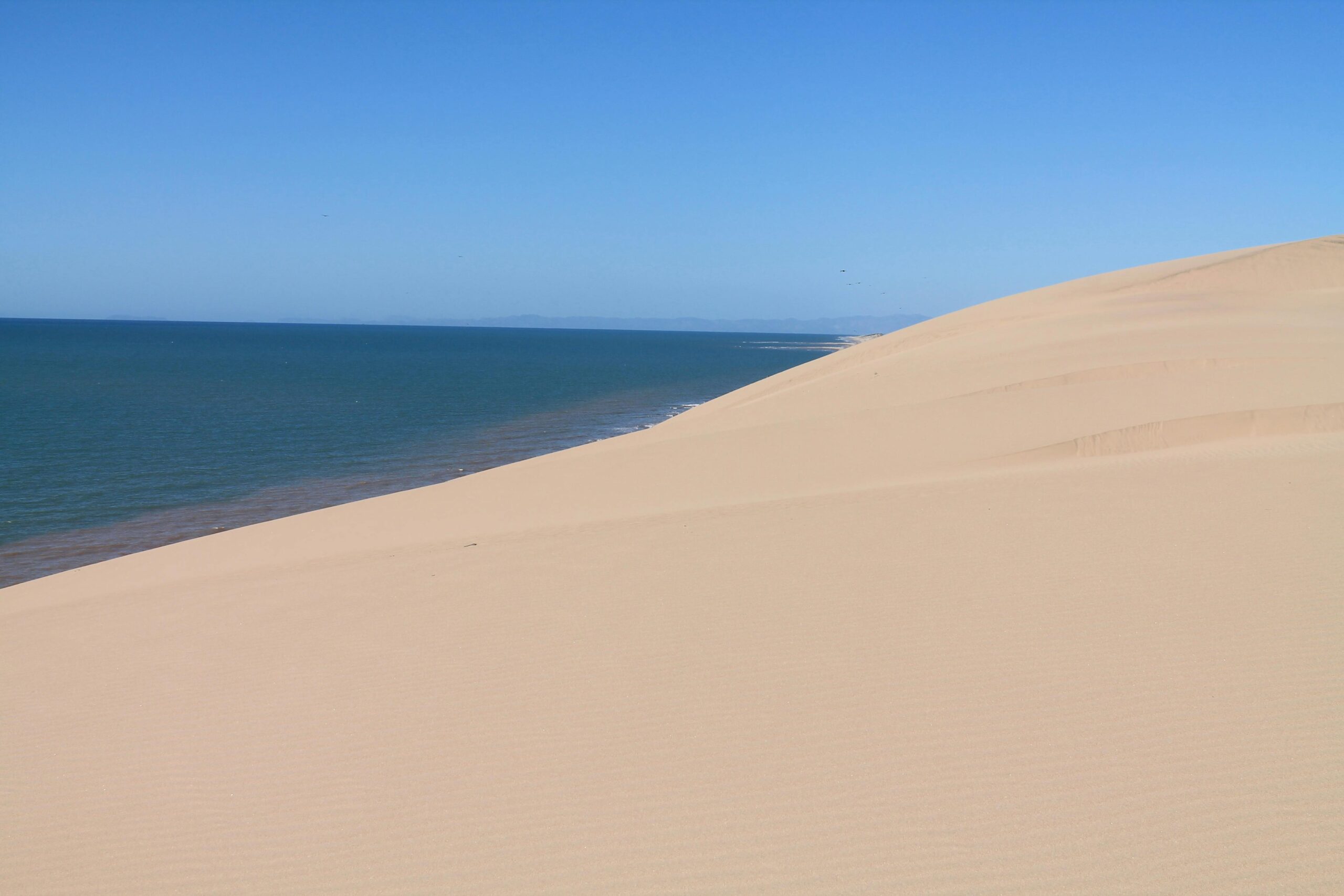
Beyond the water sports, Dakhla offers something harder to quantify: a sense of scale. The desert meets the ocean here in a way that feels geological rather than scenic. The dunes come to the water’s edge. The light is extraordinary at dusk. The town itself is functional rather than charming, but the landscape more than compensates, and several excellent eco-camps and kite lodges have been built on the lagoon’s edge with exactly this setting in mind.
Best for: Kitesurfers and windsurfers, landscape travellers, people who want genuine remoteness with functioning infrastructure.
Ideal stay: 4 to 7 nights. Less than four days barely justifies the journey; more than a week is easy to fill if you are on the water.
Skip it if: You want a classic beach holiday, a historic medina, or easy connections to the rest of Morocco. Dakhla is a destination in its own right, not a stop on a wider itinerary.
4. Oualidia, Elegant Lagoon Escape
Oualidia is probably the most underrated destination on this entire list, and the fact that it remains relatively quiet speaks well of it. It sits on a natural lagoon roughly halfway between El Jadida and Safi – a protected stretch of calm, clear water behind a sandbar, surrounded by low cliffs and a small village that has never quite tipped into mass tourism.
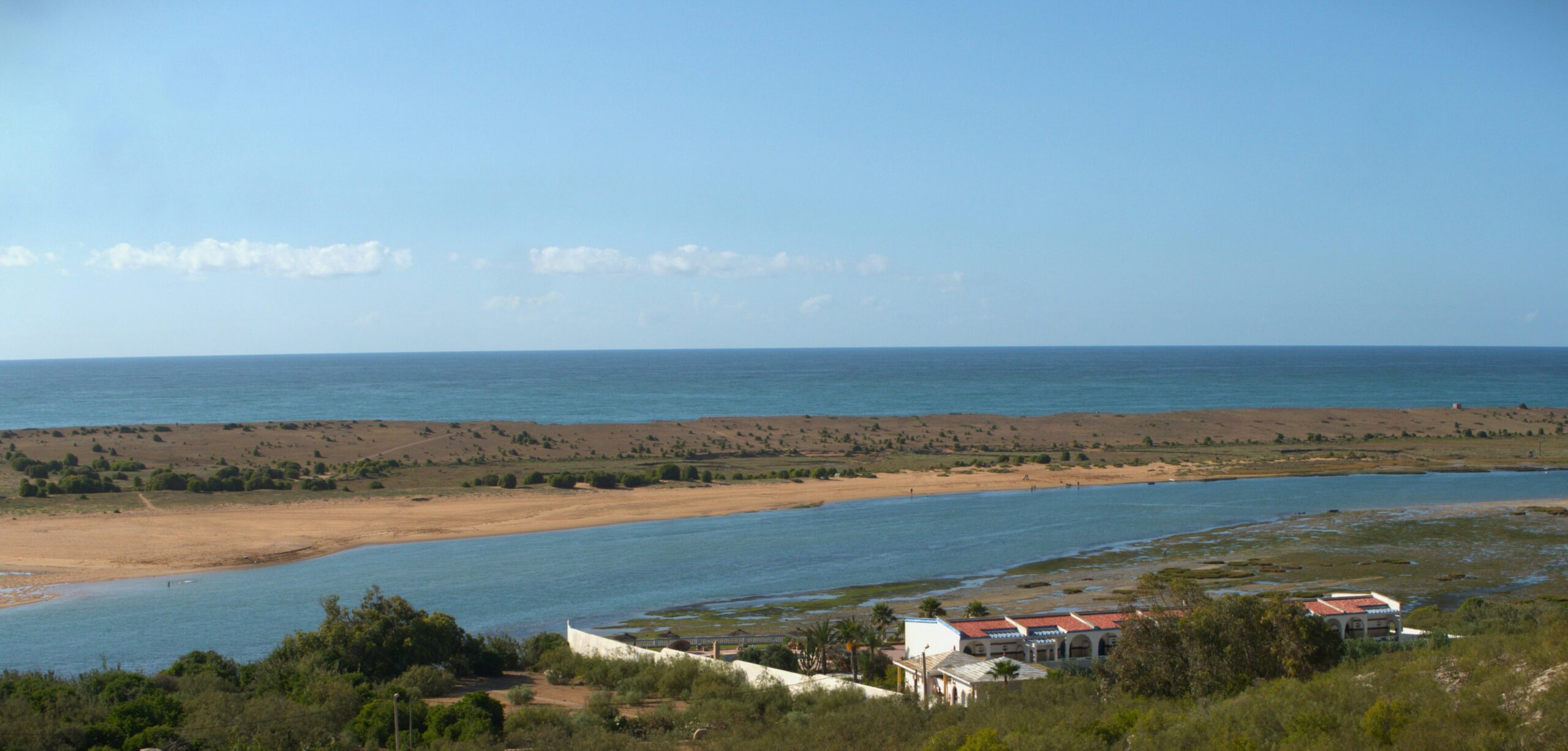
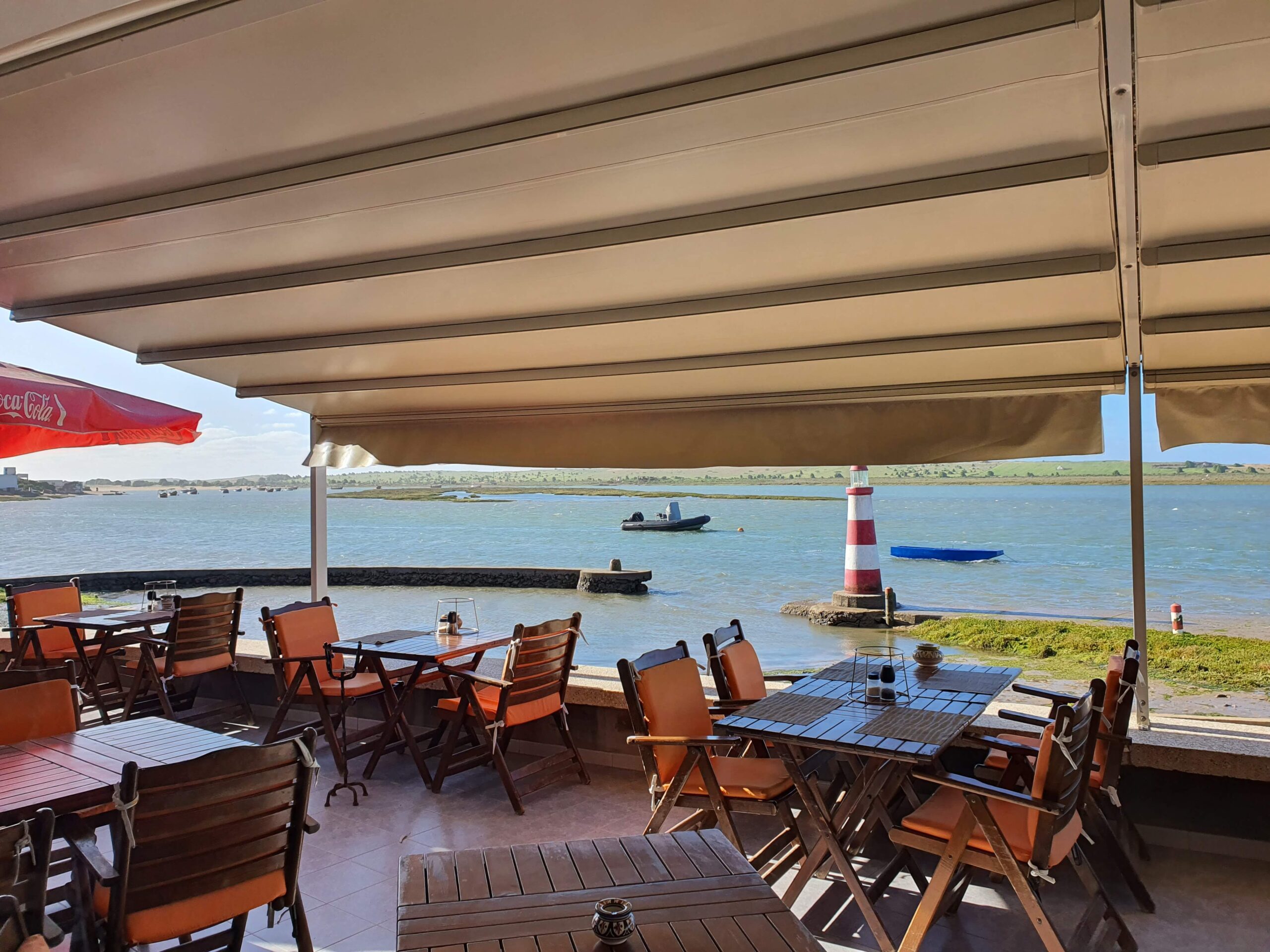
The lagoon is the reason to come. It is calm enough for paddling and swimming, beautiful enough to justify a full afternoon of doing very little, and backed by a landscape of salt marshes and dunes that softens the whole scene. The oyster beds are a serious attraction: Oualidia oysters are among the best in Morocco, and eating them at one of the waterfront restaurants – simply, with lemon and good bread – is the kind of experience that justifies a detour.
The town has a small but genuine selection of high-quality guesthouses and boutique hotels, a handful of which have been operating for decades and have developed a loyal clientele of Moroccan and French visitors who return year after year. This is not a party destination or a surf town. It is somewhere to slow down considerably.
Best for: Couples, food-focused travellers, anyone who needs a genuinely restful two or three days.
Ideal stay: 2 to 3 nights. Oualidia is a place for slow mornings and long lunches, not a checklist of activities.
Skip it if: You want beach surf, nightlife, or a long list of cultural sites. Oualidia offers one thing exceptionally well: peace.
5. Al Hoceima, Mediterranean Beauty
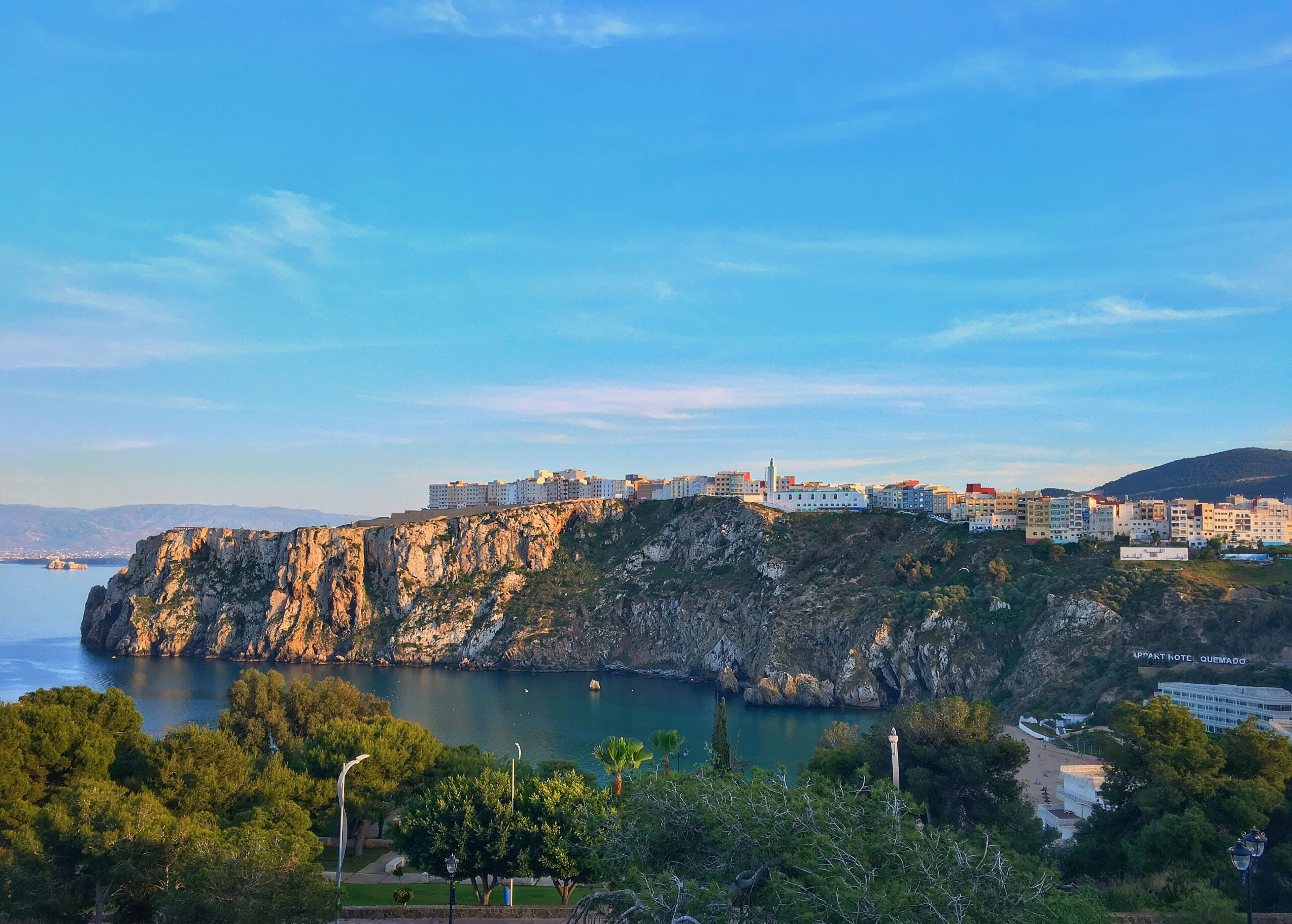
Al Hoceima occupies one of the most visually striking positions on the Moroccan Mediterranean – a bay of vivid blue water, backed by the Rif Mountains, with a town that descends to the sea in a way that looks more southern Spain than northern Africa. It is genuinely beautiful and, by most international standards, remarkably unknown.
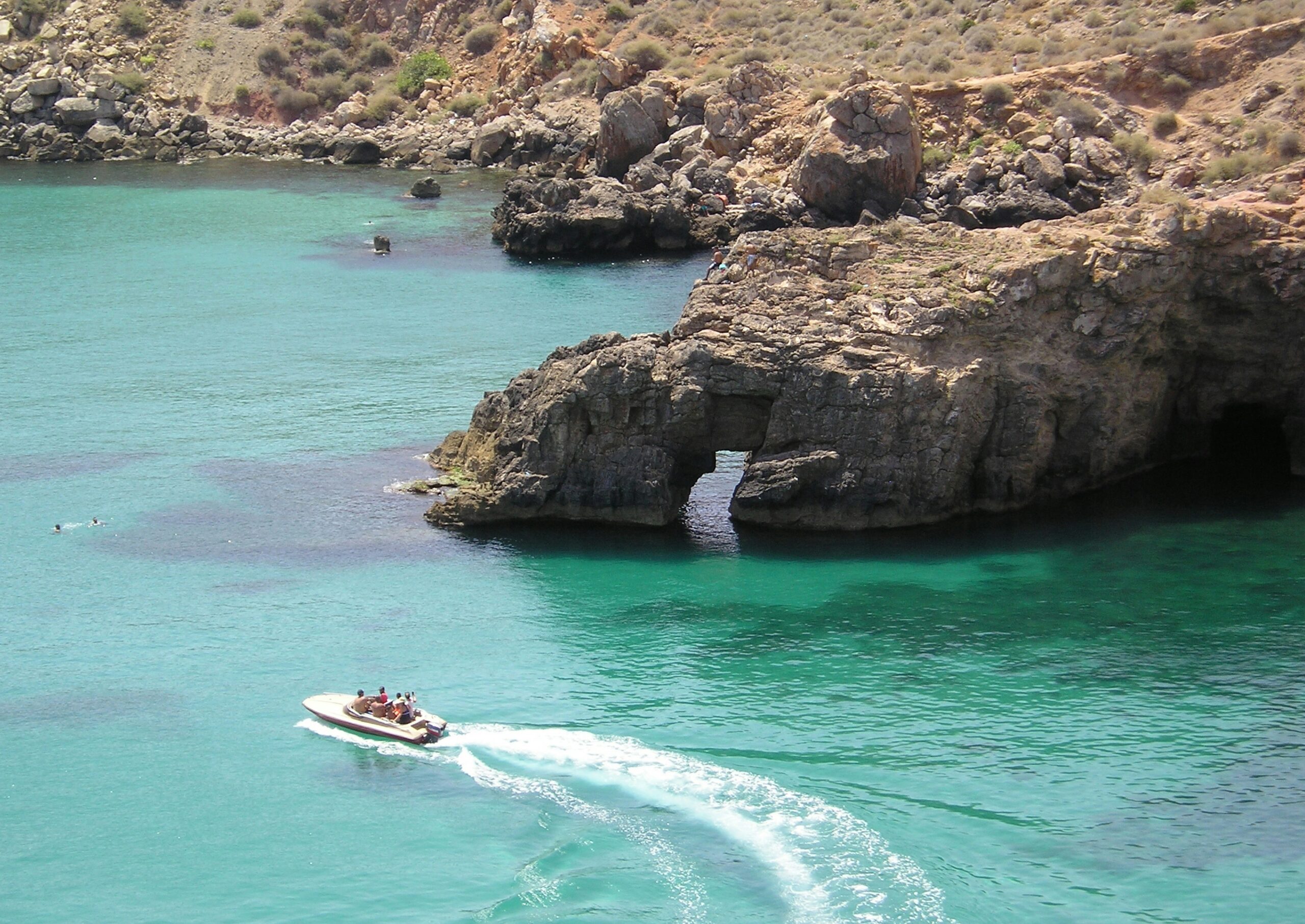
The beaches here are among the best in Morocco for Mediterranean swimming: clear water, decent sand, and a setting that benefits enormously from the mountain backdrop. The national park surrounding the bay – the Al Hoceima National Park – protects a stretch of coast that includes sea caves, cliff walks, and a small offshore island reachable by boat.
The town itself is functional rather than architecturally compelling, but the bay is the point. This is a swimming and landscape destination, and it delivers on both counts with real distinction. Access has improved, with a regional airport and better road connections from Fes and Tetouan, but Al Hoceima still sits comfortably off the main tourist circuit.
Best for: Mediterranean swimming, mountain-meets-sea landscapes, travellers who want quality coastal scenery without resort infrastructure.
Ideal stay: 2 to 4 nights. Long enough to explore the national park coastline properly.
Skip it if: You need polished hotel options or are travelling in the shoulder season when services are limited. Al Hoceima’s infrastructure is improving but still inconsistent.
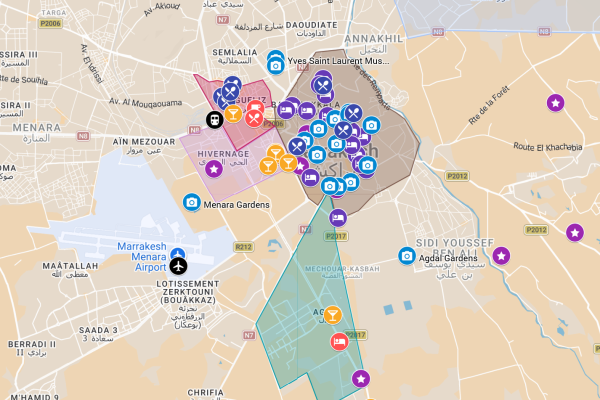
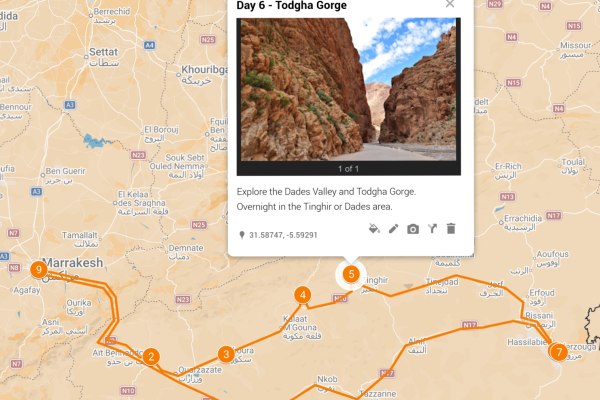
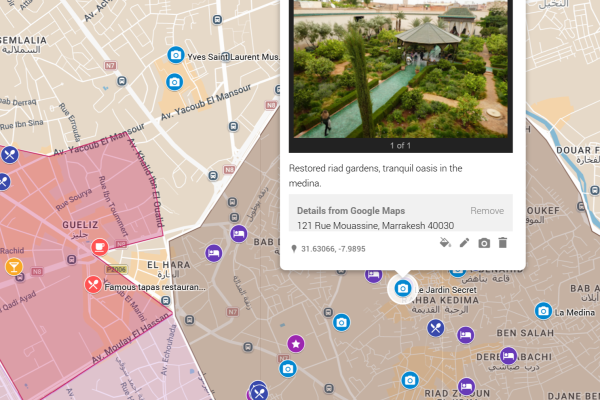
Plan your Morocco Trip with our Free Morocco Travel Maps
Ready-made itineraries for 3, 7, 10 and 14 days
Best spots by city, coast, desert & mountains
Handpicked hotels, riads & resorts
Restaurants, viewpoints & activities
Key neighborhoods & transport tips
Free access. Regular updates. No spam.
6. Mirleft, Wild Atlantic Coves
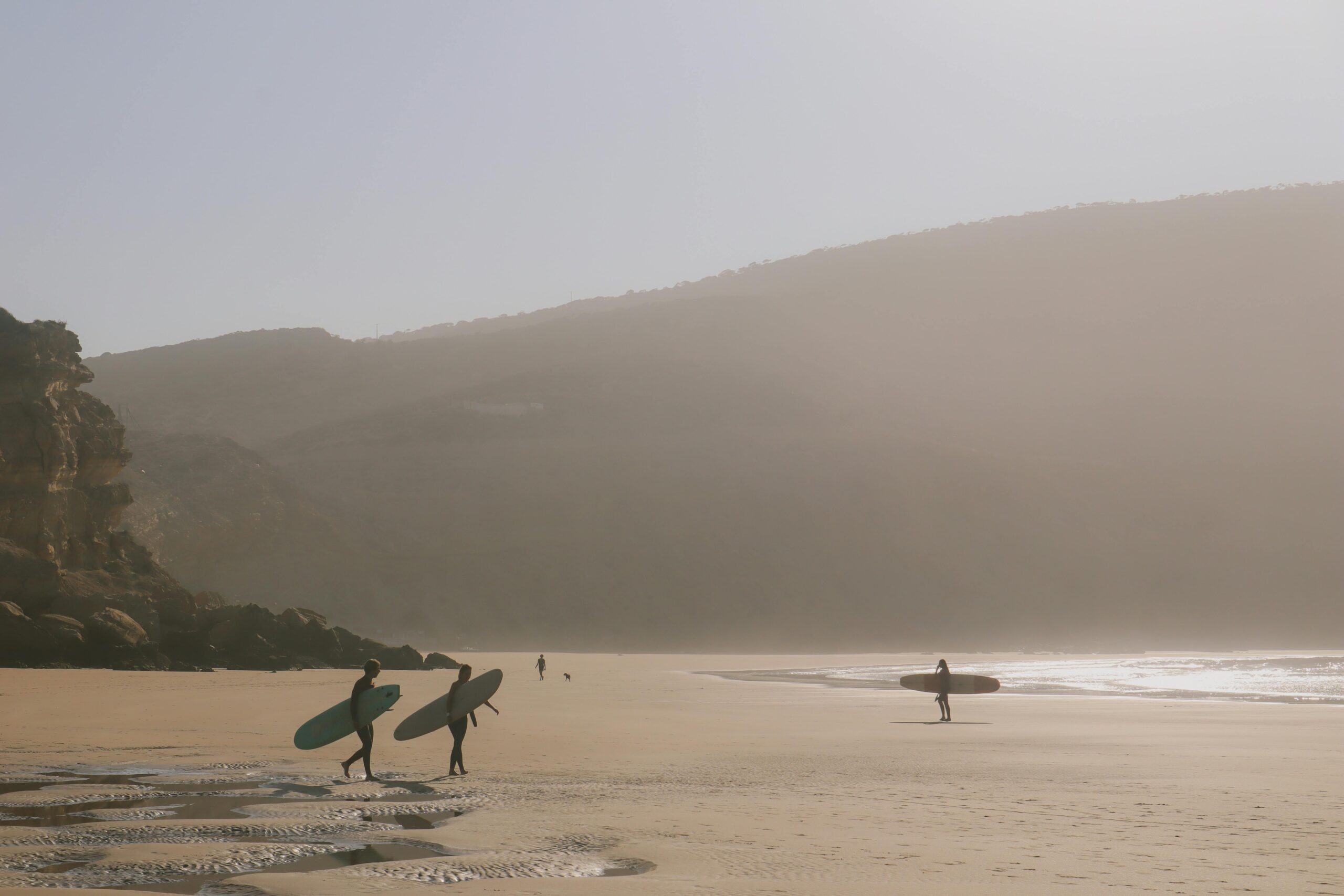
Mirleft is a small town roughly 30 kilometres south of Sidi Ifni on the Anti-Atlas Atlantic coast, and it sits on this list somewhere between a surf town and a landscape destination. The coastline here is rocky, varied, and in several stretches genuinely dramatic – a series of sandy coves separated by headlands, accessible by short walks from the road, and in some cases only reachable at low tide.
The town has drawn a slowly growing international community of surfers, artists, and travellers who wanted somewhere quieter than Agadir and less fashionable than Taghazout. The result is a place with a handful of good guesthouses, a small selection of decent cafes, and a beach scene that remains, for now, uncrowded and uncommercialized.
The surf is better suited to experienced surfers. The Atlantic here carries serious swell and the coves can be unpredictable. But for walking, photographing, and experiencing the Anti-Atlas coast at its most elemental, Mirleft is hard to beat.
Best for: Experienced surfers, walkers, travellers who want raw Atlantic scenery without services wrapped around it.
Ideal stay: 2 to 3 nights. Mirleft rewards exploration rather than sitting still.
Skip it if: You want calm swimming, beach clubs, or reliable connectivity. Mirleft is a destination for people comfortable with a certain degree of improvisation.
7. Sidi Ifni and Legzira, Faded Charm and Dramatic Cliffs
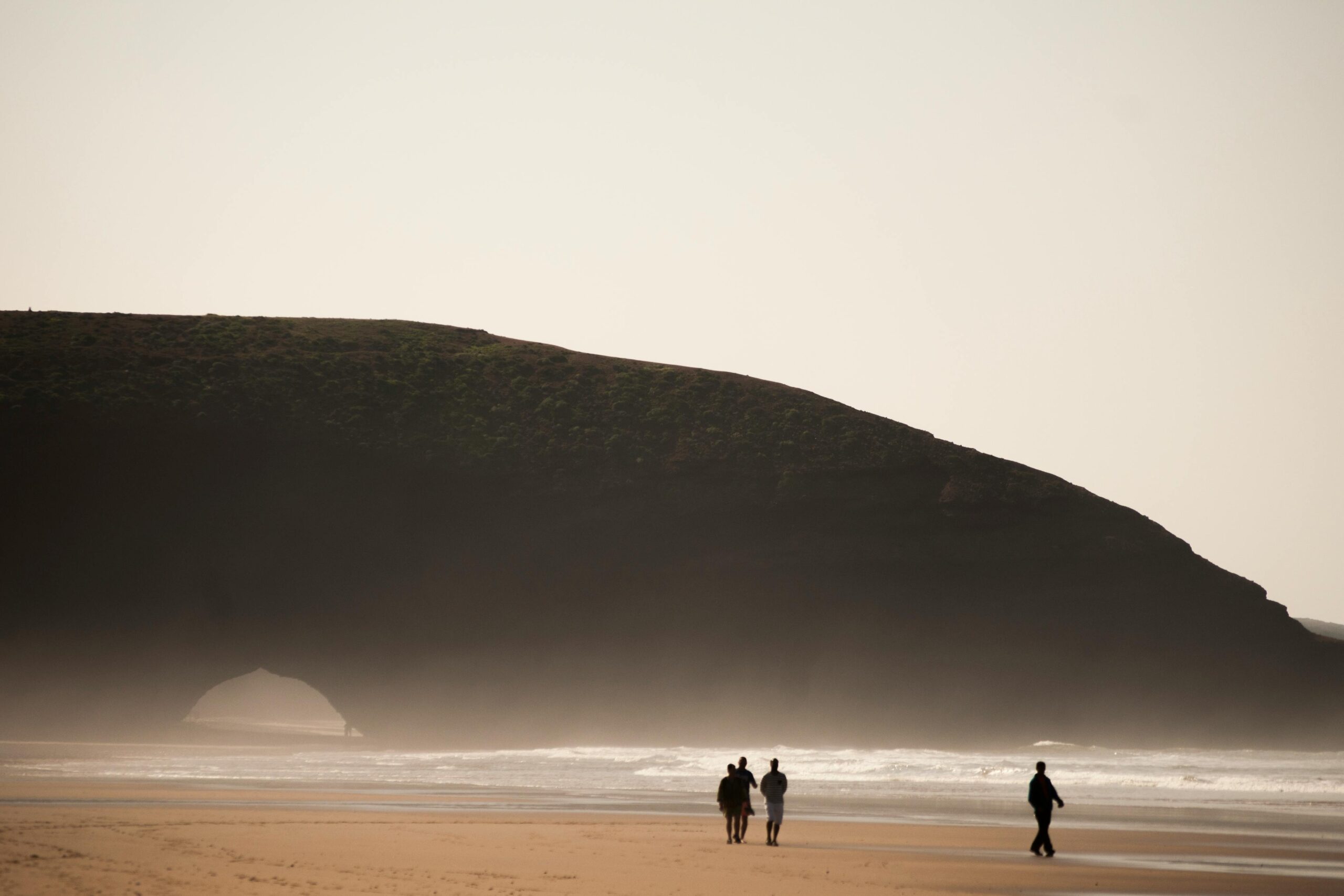
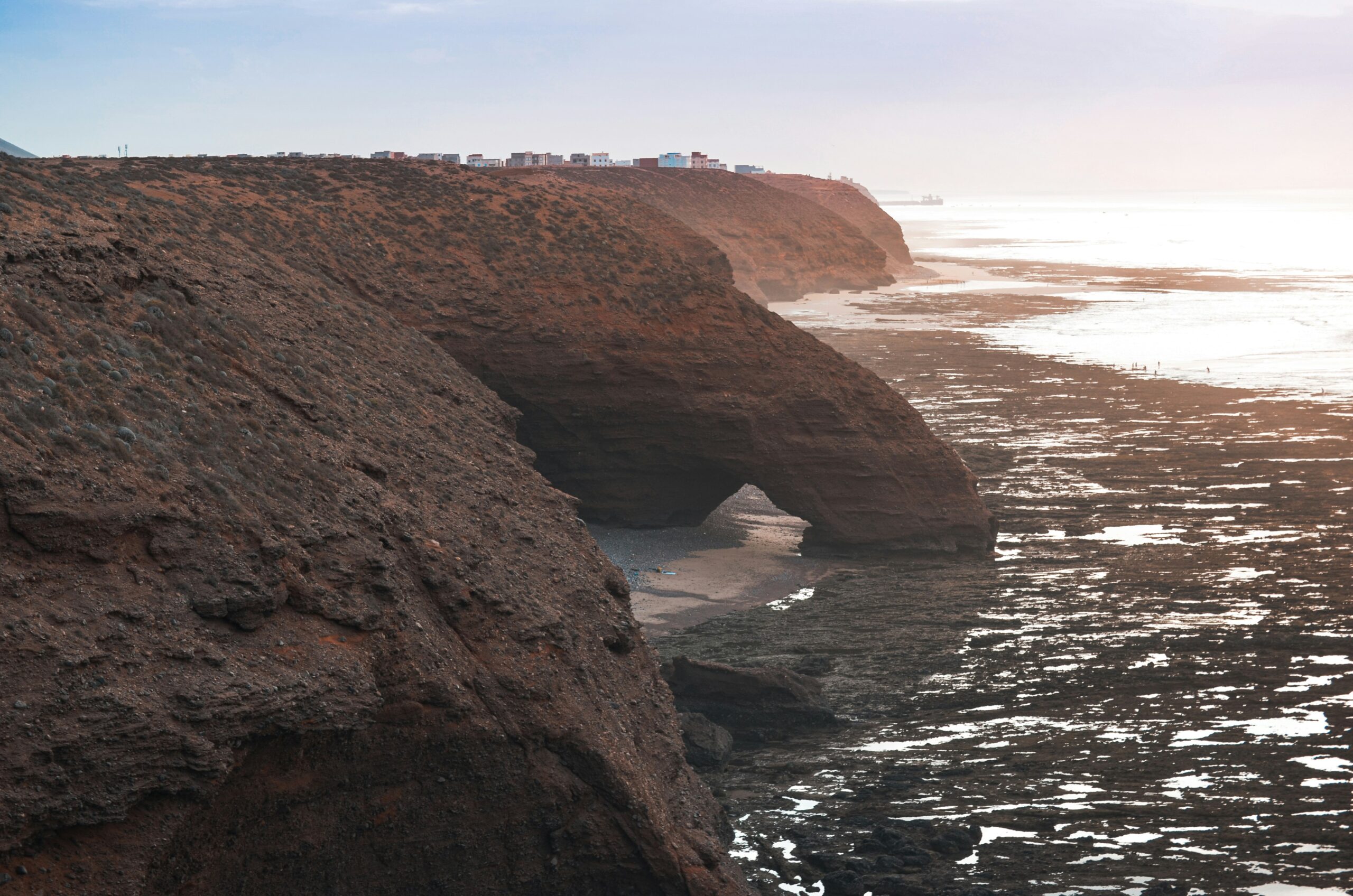
Legzira, roughly 15 kilometres north, is a different proposition: a long beach famous for its sea arches carved into red-orange cliffs. One important note: one of the two famous arches collapsed in 2016. The remaining arch is still impressive and worth seeing, but visitors arriving with images of the original pair should know that landscape has changed permanently. What remains is still among the more dramatic natural formations on the Moroccan coast – just not the scene that most photographs show.
Best for: Architecture and history enthusiasts, photographers, travellers interested in Spain’s colonial presence in southern Morocco.
Ideal stay: 1 to 2 nights in Sidi Ifni, combined with a half-day at Legzira.
Skip it if: You need beach infrastructure or are travelling with children who want to swim. The Atlantic here is beautiful to look at and largely impractical to enter.
8. Tamuda Bay / M'diq, Polished Mediterranean Resort Coast
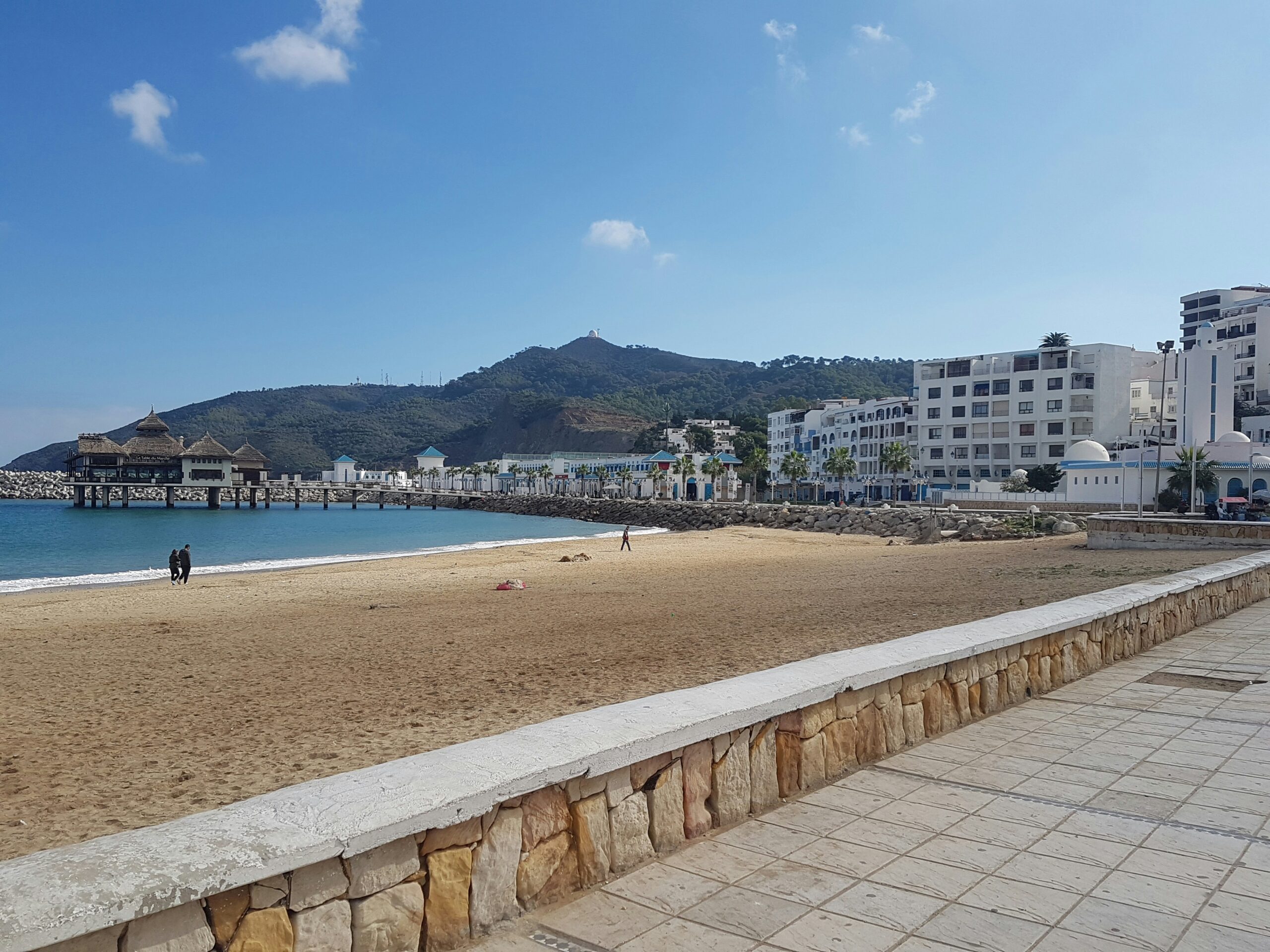
Tamuda Bay is Morocco’s most developed upscale resort coastline – a stretch of Mediterranean shore south of Tetouan that has been shaped over the past fifteen years into a zone of international hotels, private beaches, and well-maintained infrastructure. It is not a discovery and should not be framed as one. It is a resort destination that does what resort destinations do: delivers comfort, amenities, and ease of access.
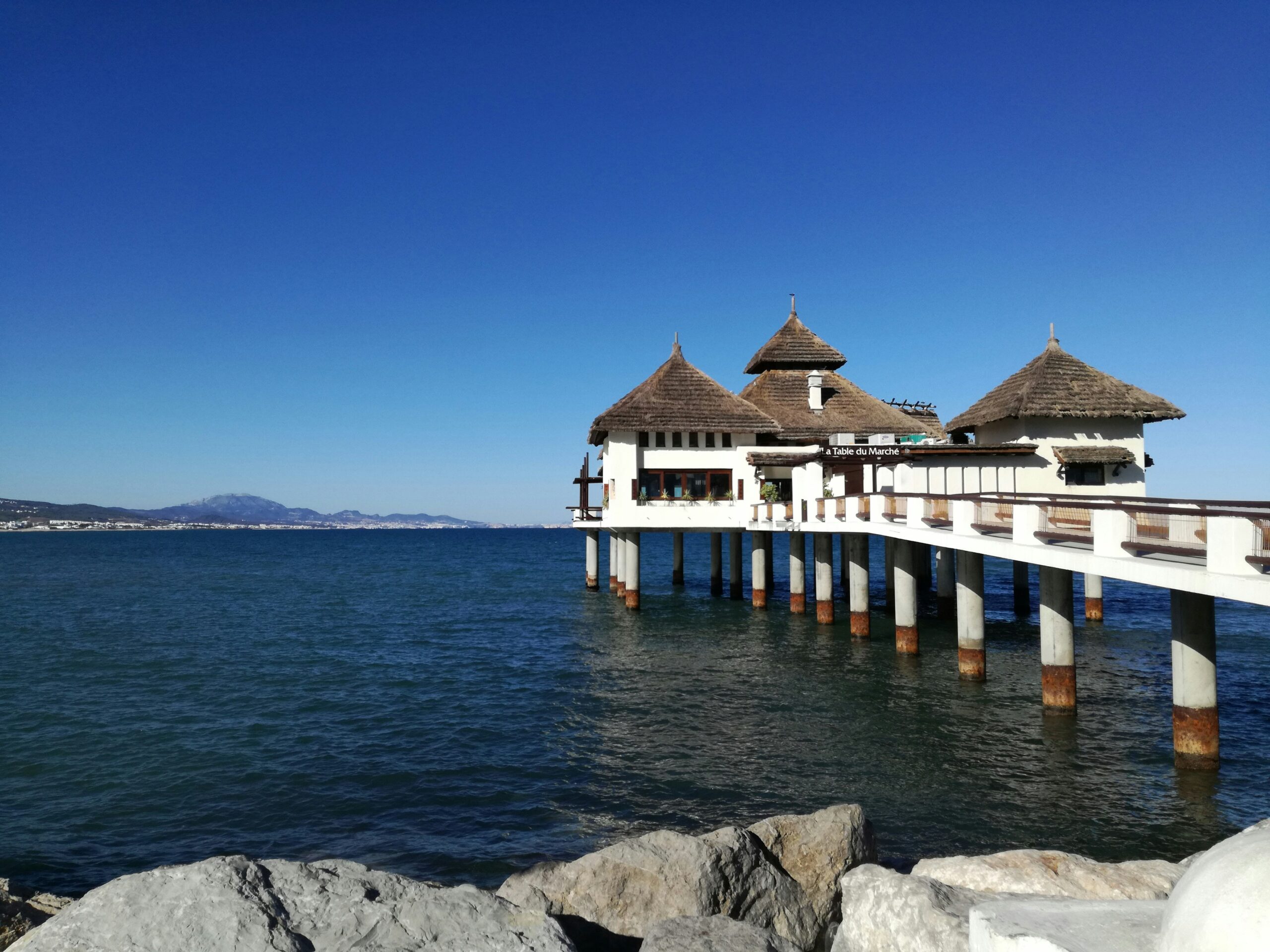
The Mediterranean water here is warm and clear from June through September. The proximity to Tetouan – with its medina, its Andalusian architectural heritage, and its excellent markets – gives Tamuda Bay a cultural dimension that pure resort strips rarely have. Chefchaouen is an easy day trip. Tangier is less than an hour by road.
For families, couples, and travellers who want a reliable, comfortable base with good swimming and easy regional access, Tamuda Bay is a sensible choice. It simply is not the place for those seeking something less expected.
Best for: Families, comfort-focused travellers, people using it as a base for day trips into northern Morocco.
Ideal stay: 3 to 5 nights if using it as a regional base; shorter if staying purely for the beach.
Skip it if: You want anything that feels local, off-grid, or characterful. Tamuda Bay has been built to international resort standards, for better and for worse.
9. Moulay Bousselham, Lagoon and Birdlife
Moulay Bousselham is a small coastal town on the Atlantic roughly 45 kilometres south of Larache, and it sits in a genuinely niche position on this list: this is a destination for bird watchers, lagoon lovers, and travellers who want somewhere that has remained almost entirely outside the international travel circuit.
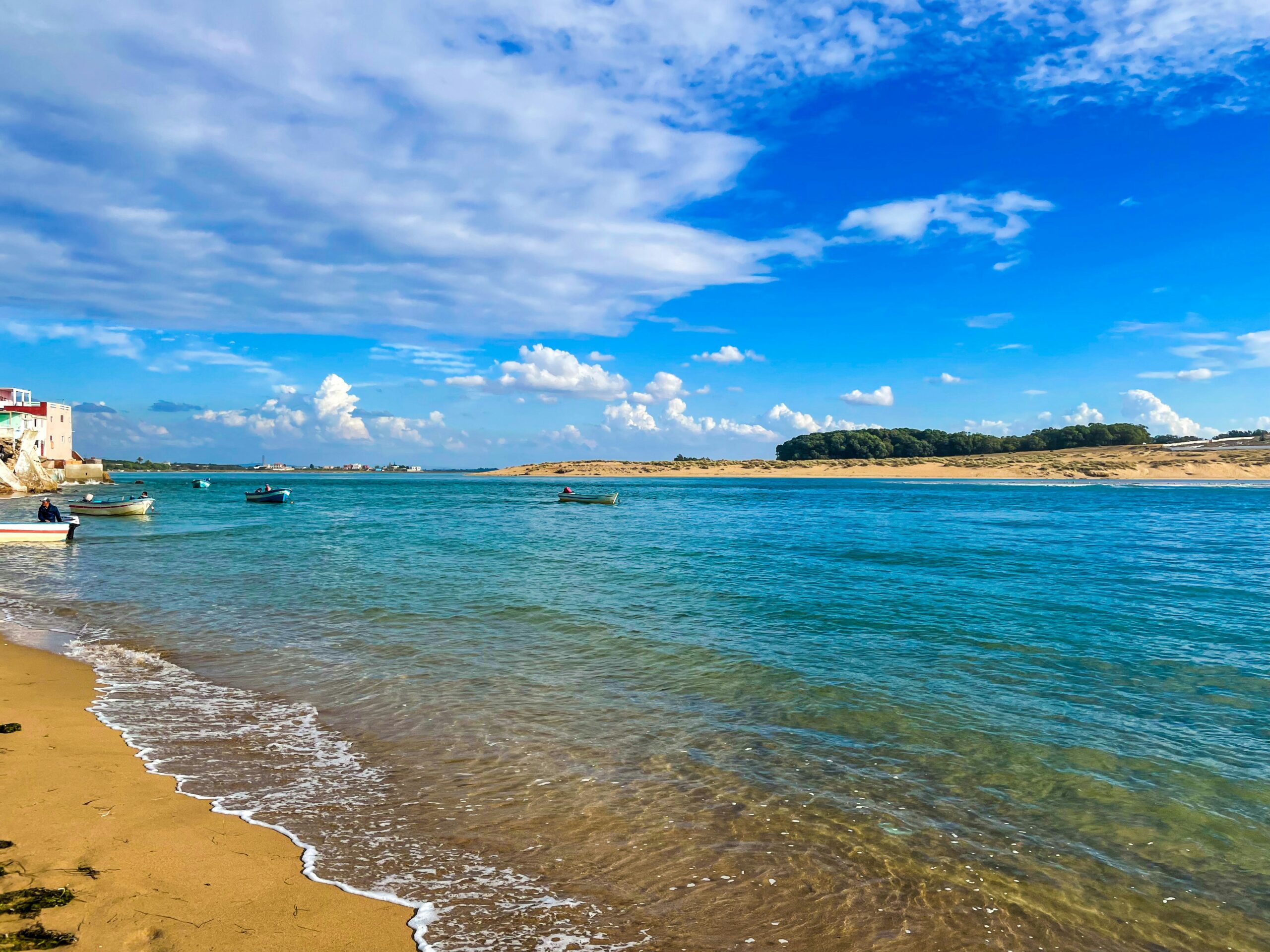
The Merja Zerga National Park surrounds a coastal lagoon that serves as a major wintering ground for tens of thousands of migratory birds – flamingos, spoonbills, waders, and waterfowl arriving from across Europe and West Africa. The birdwatching here is serious. This is one of the best sites of its kind in northwest Africa, visited almost exclusively by specialist birders and Moroccan day-trippers.
The town itself is modest: a handful of seafood restaurants, a small beach, a few simple guesthouses. Lagoon boat trips are arranged directly with local fishermen, which is either an inconvenience or part of the experience depending on your perspective.
Best for: Birdwatchers, lagoon and nature enthusiasts, travellers who want somewhere genuinely quiet and unscripted.
Ideal stay: 1 to 2 nights.
Skip it if: You are not interested in birds or lagoon landscapes. There is not enough here to sustain a visit built around other interests.
10. El Jadida / Mazagan, History by the Atlantic
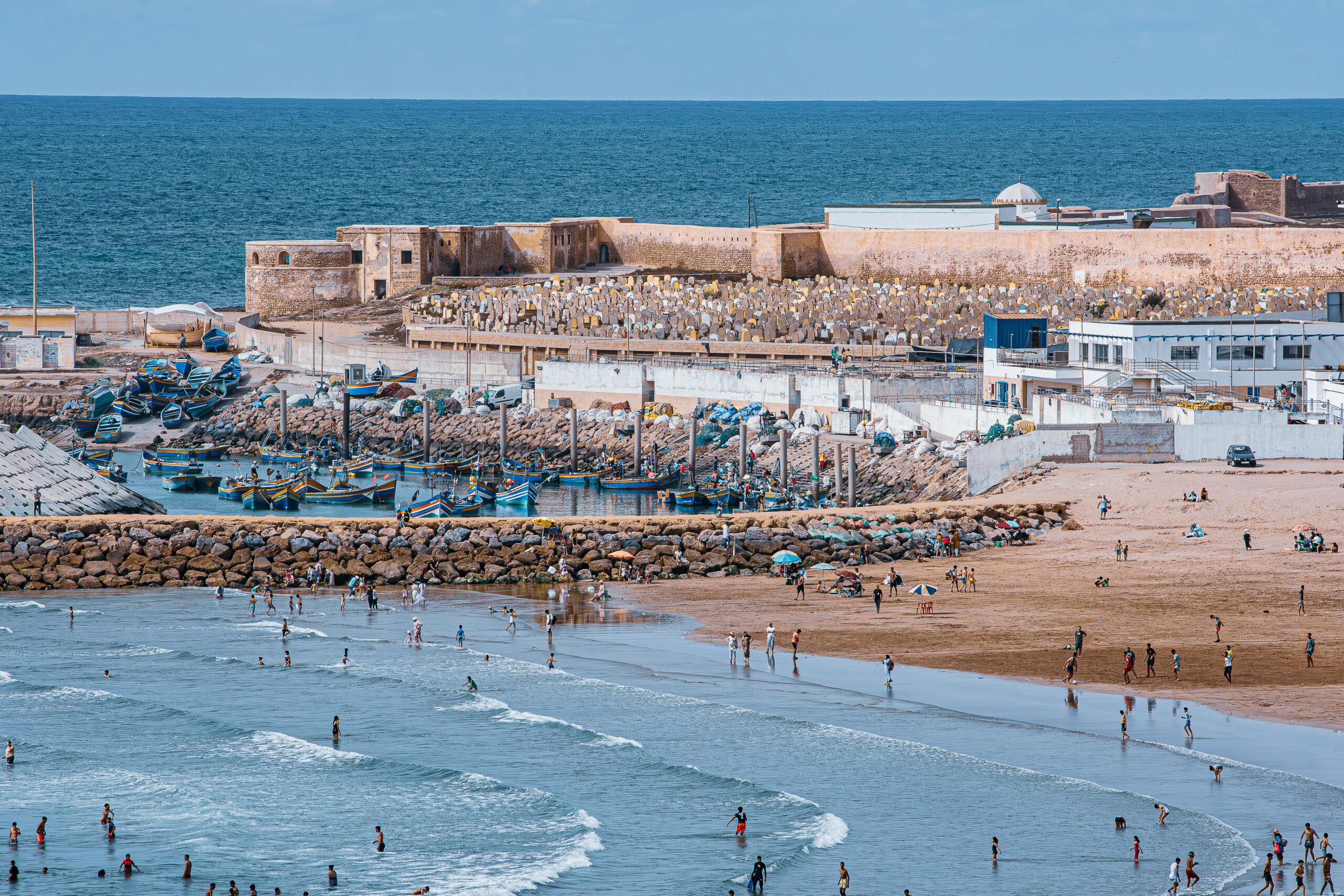
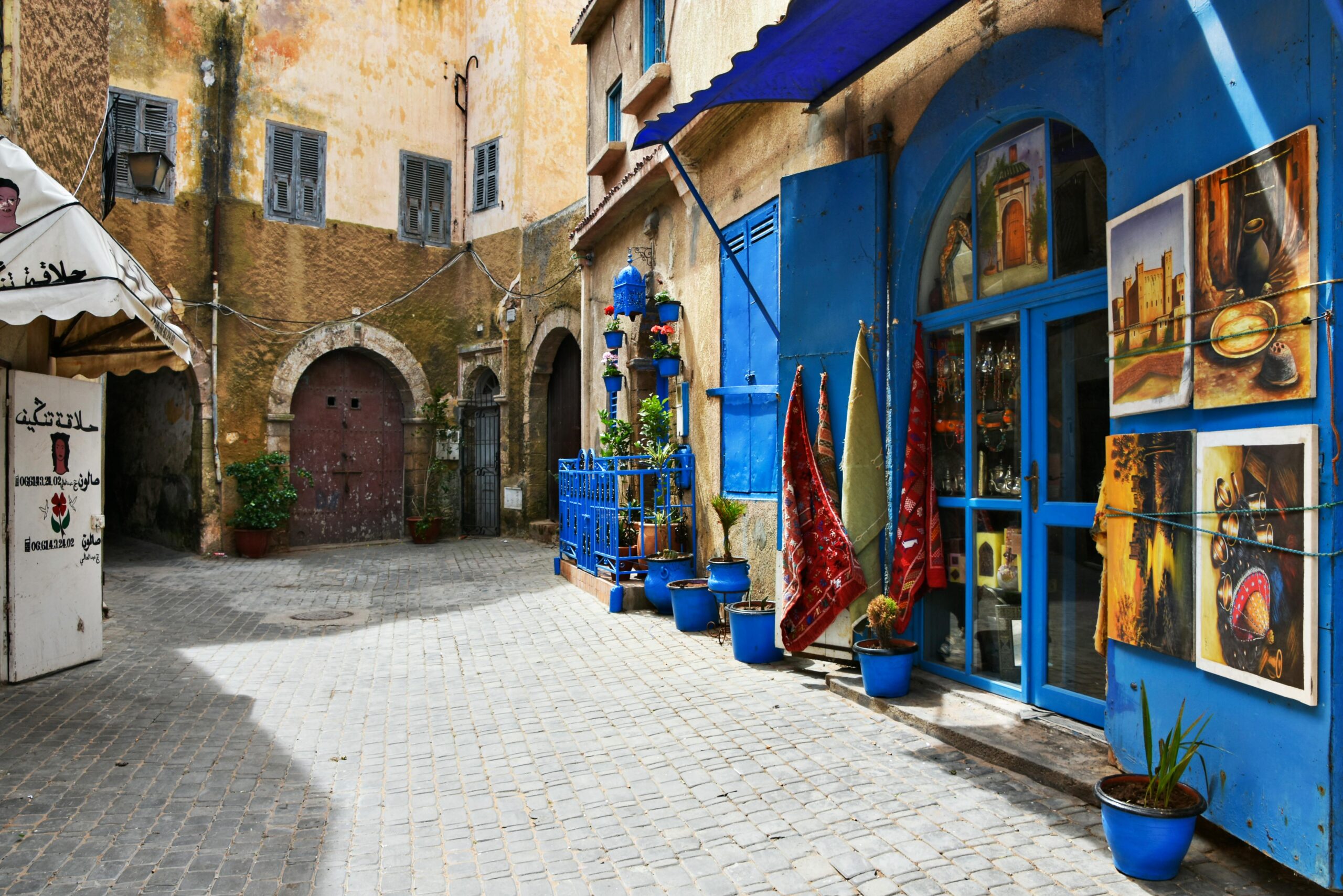
El Jadida is a medium-sized Atlantic port city roughly 100 kilometres south of Casablanca, and its centrepiece – the Cite Portugaise, a UNESCO World Heritage listed fortified town built by the Portuguese in the 16th century — is one of the most interesting historical sites on the Moroccan coast. The Portuguese cistern inside the old city, with its vaulted arches reflected in a shallow pool of water, is legitimately extraordinary: one of the most atmospheric interior spaces in Morocco.
The town beyond the Cite Portugaise is a functional Moroccan city rather than a tourist destination, which is either a drawback or a feature depending on your temperament. The Atlantic beaches to the south are long, wide, and popular with Casablanca weekenders. The seafood is good and unpretentious.
El Jadida works best as a day trip from Casablanca or as a single overnight on a coastal road journey rather than as a destination in its own right. The history justifies the visit; the town is not set up to extend it.
Best for: History-focused travellers, anyone driving the Atlantic coast between Casablanca and Essaouira.
Ideal stay: 1 night or a long day trip from Casablanca.
Skip it if: You have already seen the Cite Portugaise or are primarily interested in beach experiences. El Jadida’s coastline is pleasant but not destination-worthy on its own terms.
Page last updated: June 2026
Anything we can improve? Let us know
Plan Your Morocco Trip
Compare hotels, flights and rental cars
Compare hotels, riads and guesthouses across Morocco on Booking.com:
Compare flights to Morocco on Aviasales:
Find the right rental car for your Morocco trip with EconomyBookings: