

Seafood
Morocco has more than 3,500 kilometers of coastline, split between the Atlantic and the Mediterranean, and the food that comes from it is some of the most underrated in the country. Travelers who arrive expecting only tagine and couscous are often caught off guard by the quality of the fish – the freshness, the simplicity, and the confidence with which Moroccan cooks handle it.
Seafood here is not a secondary category. In port cities like Essaouira, Agadir, Dakhla, and the fishing quarters of Casablanca, it is the center of the table. Understanding what to order, where to find it, and how to tell a genuine fish restaurant from a tourist trap is worth the effort before you go.
Morocco's Seafood Geography: Why Location Matters
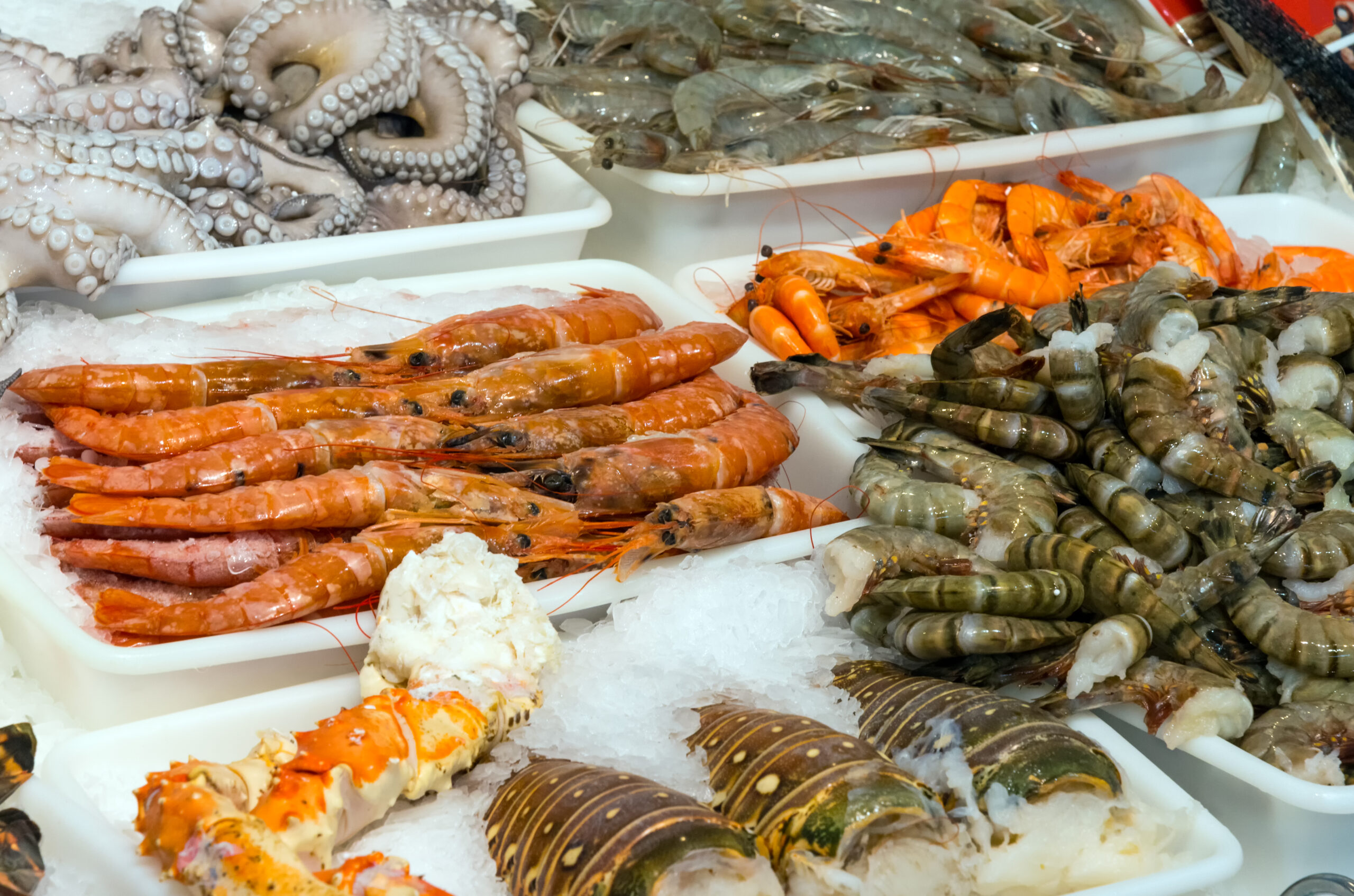
The type of seafood available in Morocco changes significantly depending on where you are. The Atlantic coast – running from Tangier down through Rabat, Casablanca, Essaouira, Agadir, and into the deep south toward Dakhla – is defined by cold, productive waters that yield sardines, mackerel, sea bass, sole, squid, octopus, and an abundance of prawns and lobster in the southern reaches.
The Mediterranean coast, from Tangier east to Nador and Saïdia, is narrower in geography but rich in its own right, with red mullet, sea bream, clams, and mussels featuring prominently in the local cooking.
Inland, seafood loses its footing quickly. Ordering fish in Marrakech or Fez is not impossible, but the supply chain is longer and the quality less reliable. The general rule: eat seafood close to where it was caught.
Grilled Sardines: The Defining Dish of the Atlantic Coast
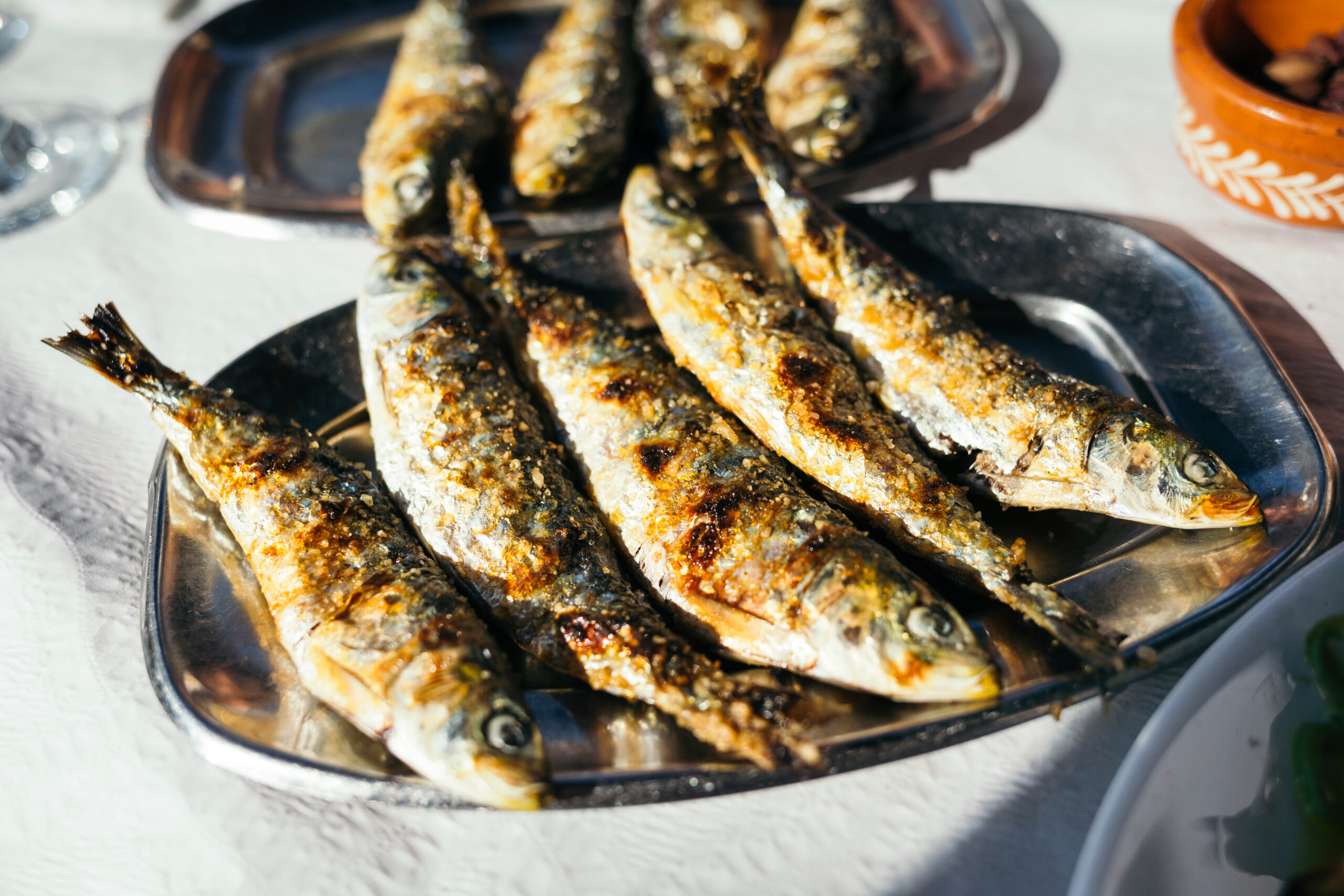
Morocco is one of the world’s largest sardine producers, and the sardines caught off its Atlantic coast are exceptional – fat, fresh, and in season for much of the year. In coastal towns, they are typically butterflied, seasoned with chermoula (a marinade of herbs, garlic, cumin, paprika, and lemon), and grilled over charcoal until the skin blisters and the flesh is just cooked through.
Eaten at a simple restaurant near the port, with bread, olives, and a glass of fresh-squeezed orange juice, grilled sardines represent Moroccan coastal cooking at its most direct and most honest. Essaouira is the city most associated with this experience, though you will find versions of equal quality in Agadir, Safi, and the fishing neighborhoods of Casablanca.
Avoid sardines that arrive with no char, no chermoula, and suspiciously fast – the best versions are made to order and take a few minutes.
Chermoula Fish: The National Marinade Applied to the Sea
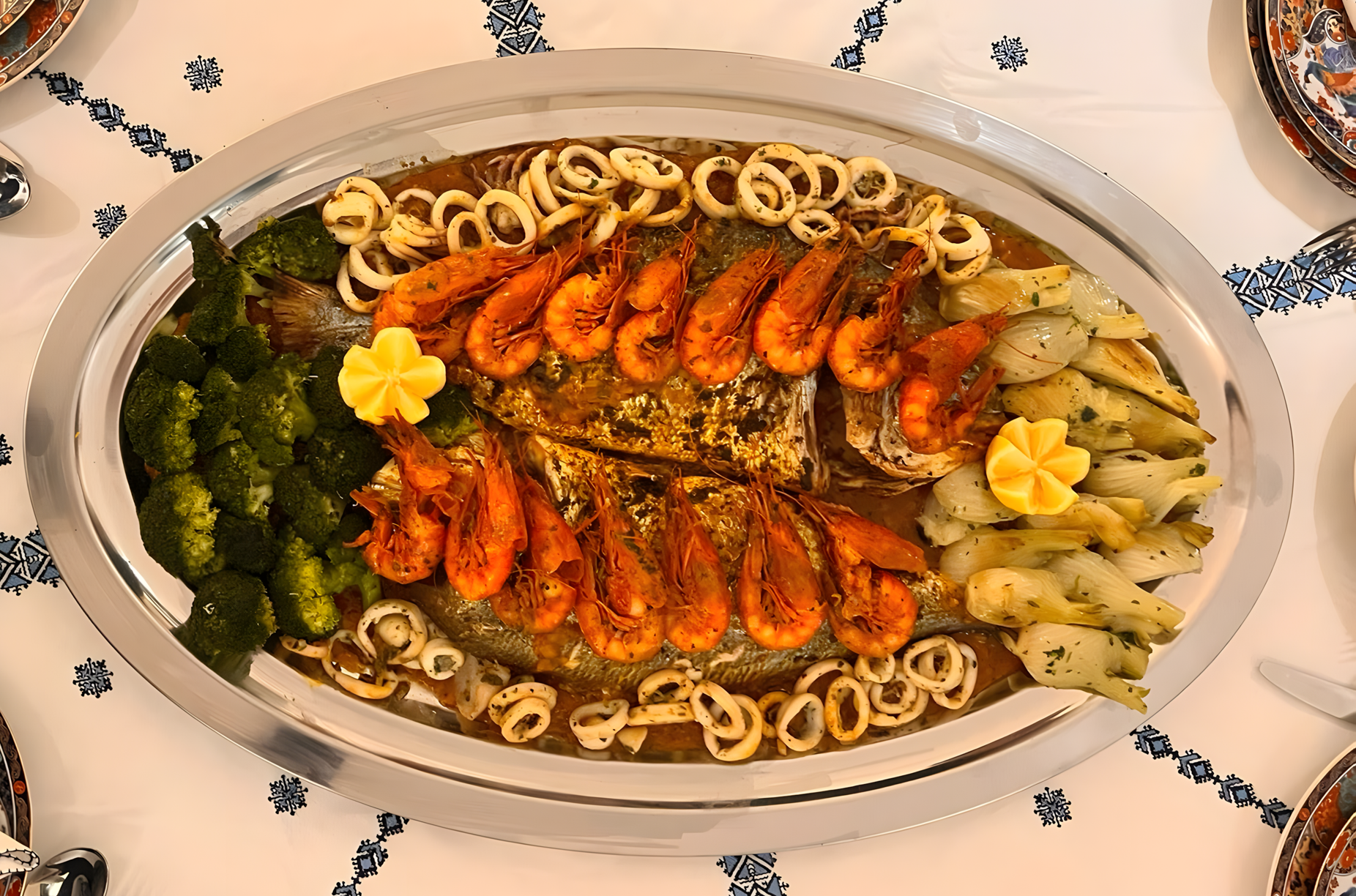
Chermoula is to Moroccan seafood what ras el hanout is to the tagine kitchen – a foundational preparation that elevates the ingredient rather than overwhelming it. The marinade varies by region and cook, but the core is consistent: fresh coriander and flat-leaf parsley, garlic, cumin, sweet paprika, lemon juice, and olive oil, sometimes with a touch of chili or preserved lemon.
Fish prepared with chermoula is either grilled, baked, or fried. A whole sea bass or sea bream stuffed with chermoula and roasted in the oven is a classic home preparation that good coastal restaurants replicate well. The marinade is bright, garlicky, and mildly spiced – a clean counterpoint to richer, tagine-style cooking.
Seafood Tagine: Slow-Cooking the Catch
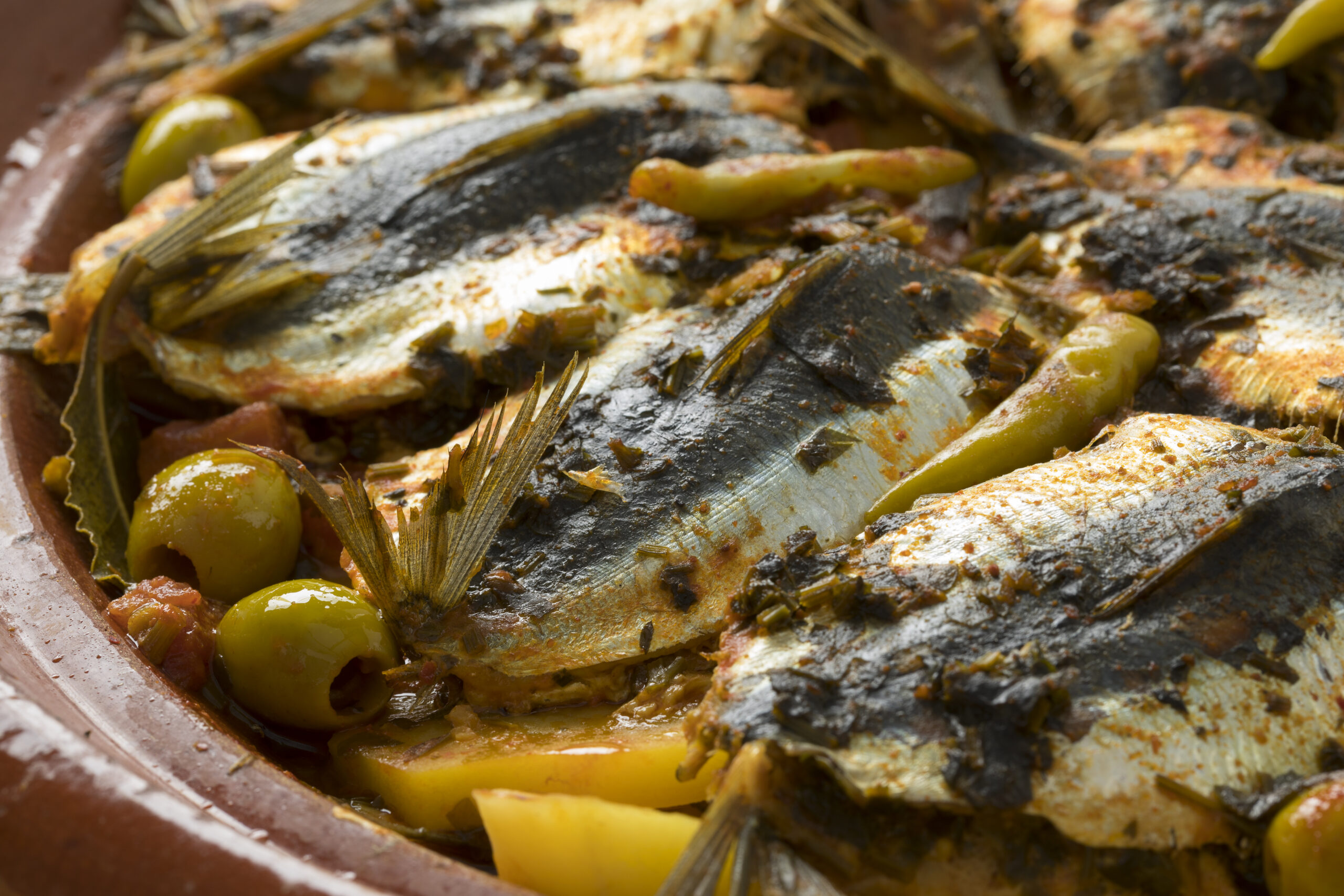
Moroccan cooks apply the tagine method to seafood with the same logic they apply to meat: low heat, time, and layered seasoning. A fish or mixed seafood tagine typically includes tomatoes, peppers, olives, preserved lemon, and a chermoula base, with the fish – often monkfish, sea bass, or a combination of prawns and squid – cooked directly in the sauce until it absorbs the flavors of the broth.
Done well, a seafood tagine is a deeply savory, aromatic dish with a brightness that meat-based versions do not have. Done poorly – and it often is, in restaurants aiming for speed rather than depth – it is watery and overcooked. The tell is the sauce: a good seafood tagine has a reduced, intensely flavored base. A bad one is essentially a soup.
Seafood Pastilla: The Modern Coastal Classic
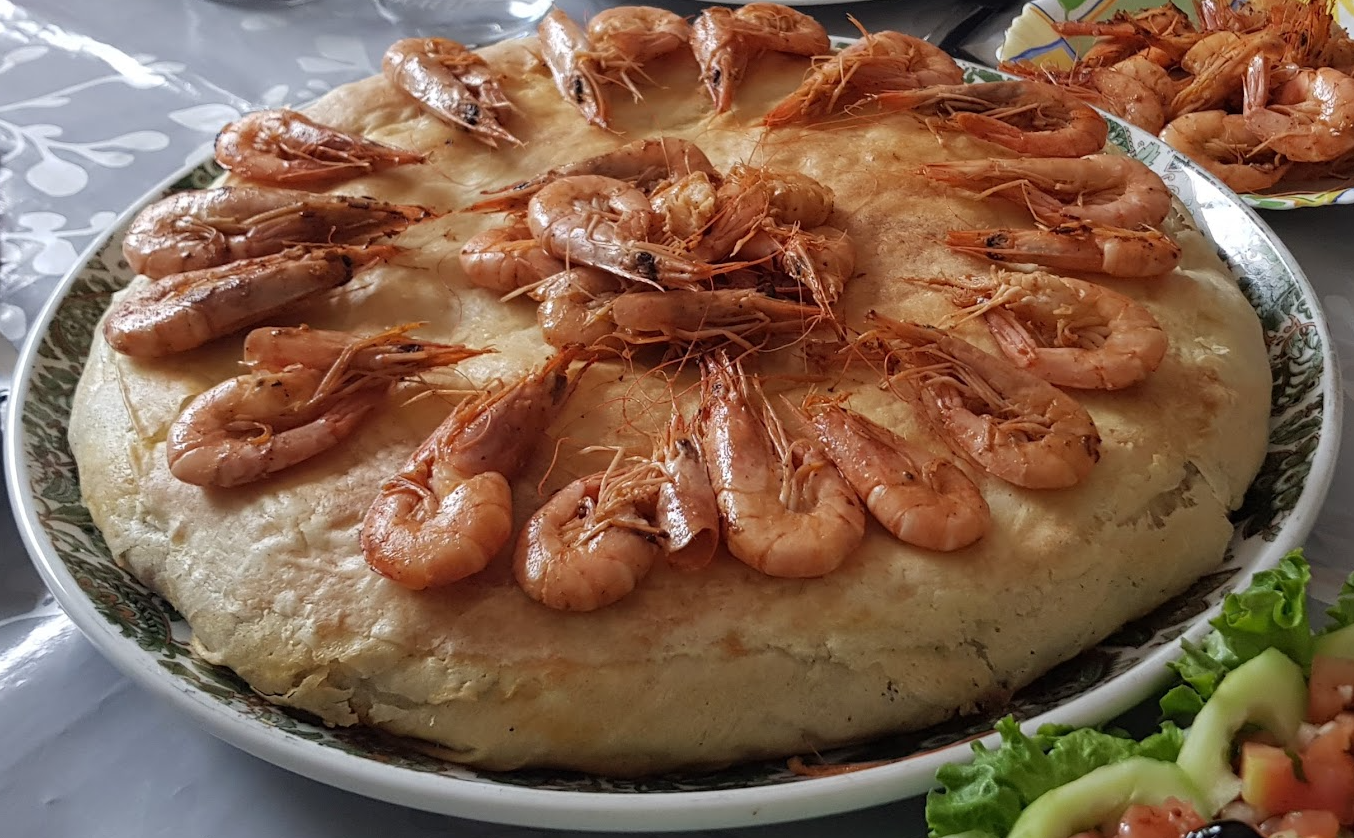
The traditional pastilla is made with pigeon or chicken, but the seafood version – which emerged primarily in Casablanca and the larger coastal cities – has become a dish in its own right rather than simply a variant. Warqa pastry is filled with a mixture of vermicelli or rice noodles, shrimp, fish, calamari, and a cream sauce seasoned with herbs and spices, then baked or fried until golden and crisp.
It is a richer, more indulgent preparation than most Moroccan seafood dishes, and it works well as a centerpiece at the kind of upscale Moroccan restaurant that takes both traditions seriously. It also happens to be one of the more photogenic things on any Moroccan menu, which has helped its profile in recent years.
Seafood pastilla is not universally excellent – quality depends almost entirely on the freshness of the seafood inside and the care taken with the pastry. At its best, it is genuinely impressive. At its worst, it is soggy and overloaded with cream.
Plan your Morocco Trip with our Free Morocco Travel Maps
Ready-made itineraries for 3, 7, 10 and 14 days
Best spots by city, coast, desert & mountains
Handpicked hotels, riads & resorts
Restaurants, viewpoints & activities
Key neighborhoods & transport tips
Free access. Regular updates. No spam.
Fried Seafood Platters: The Port Restaurant Standard
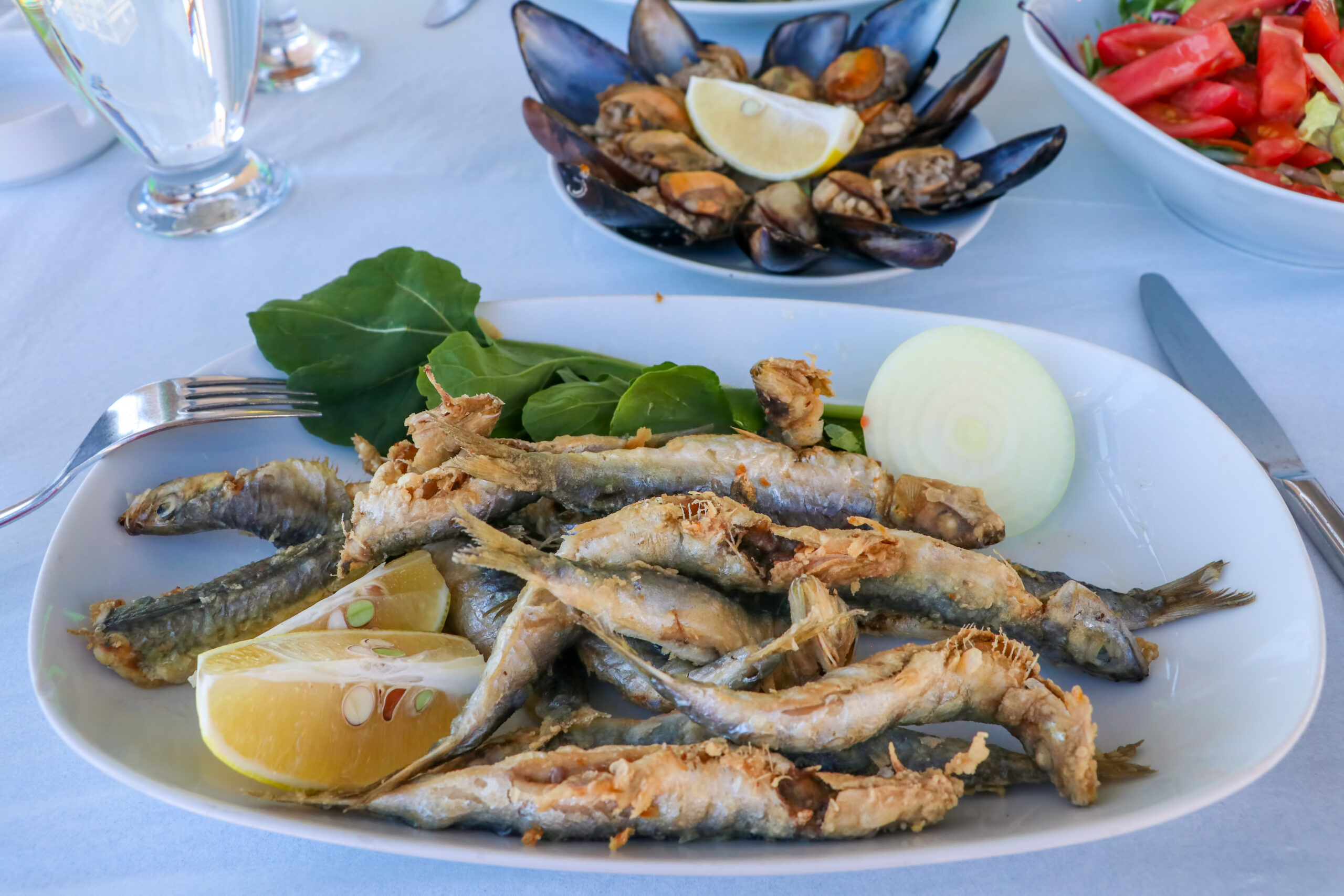
At casual fish restaurants near working ports – the kind with plastic tables, paper tablecloths, and a chalk menu above the counter – the default format is a fried platter: calamari rings, prawns, small whole fish, and sometimes a piece of breaded sole or hake, all fried in neutral oil and served with sliced bread, harissa, and wedges of lemon.
This is not refined cooking, but it does not need to be. When the oil is clean, the frying is done to order, and the seafood arrived that morning from the boats outside, a fried platter at a port-side restaurant is one of the more satisfying meals Morocco offers. The fish market in Agadir, the port area of Essaouira, and the Ain Diab corniche in Casablanca all have reliable versions of this experience.
Oysters from Oualidia: A Short Detour Worth Taking
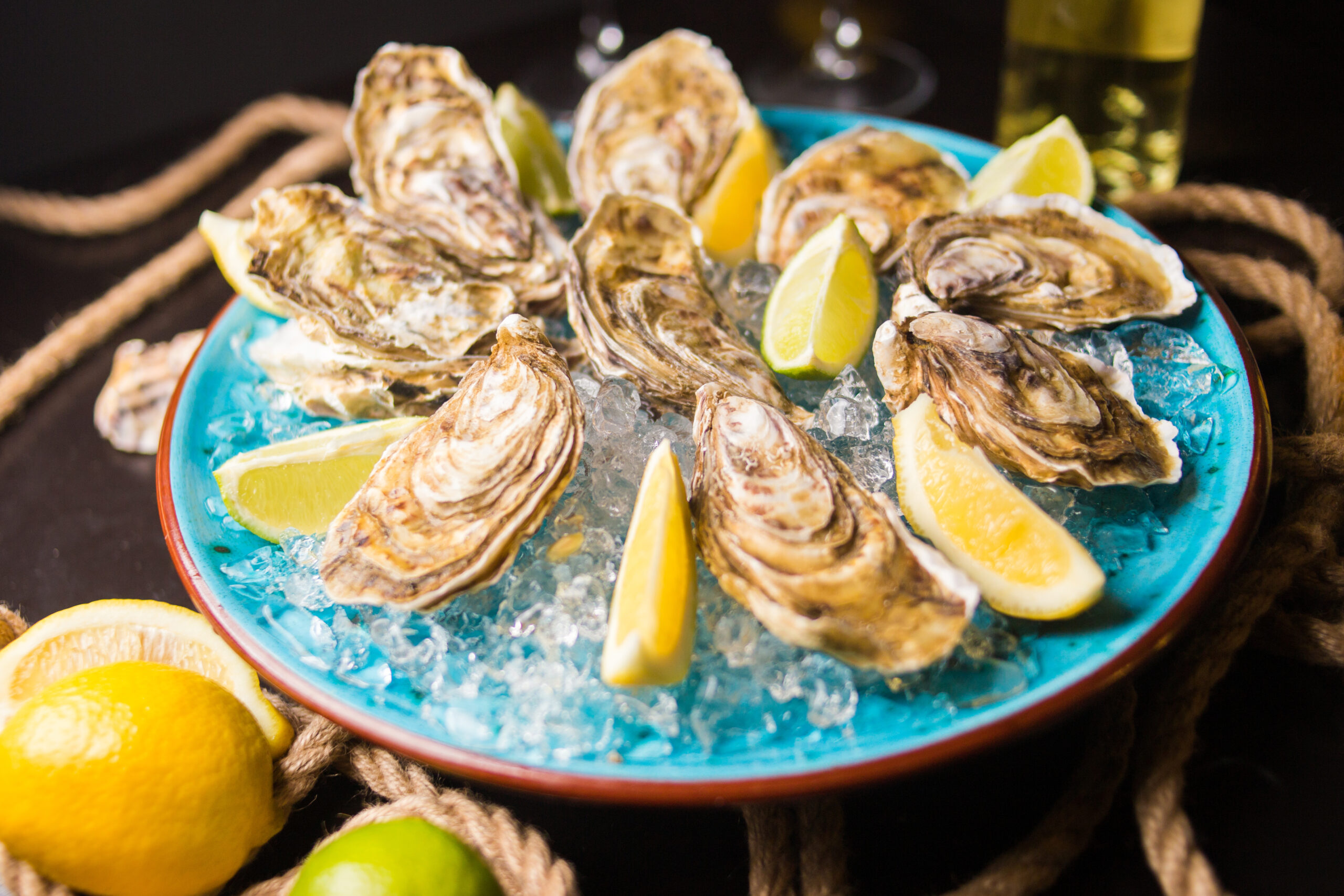
Oualidia is a small lagoon town on the Atlantic coast between Casablanca and Essaouira, and it has produced oysters commercially since the 1950s. The conditions in the lagoon – protected, clean, and fed by Atlantic tides – create oysters that are briny, firm, and well-balanced. They have a following among Moroccan food enthusiasts that extends well beyond the immediate region.
A handful of restaurants in Oualidia serve the oysters directly from the water, with mignonette or simply with lemon. The setting – a calm lagoon, simple tables facing the water – adds to the experience. For a traveler driving the Atlantic coast route, Oualidia is the kind of stop that turns a journey into a trip.
The Best Cities for Seafood in Morocco
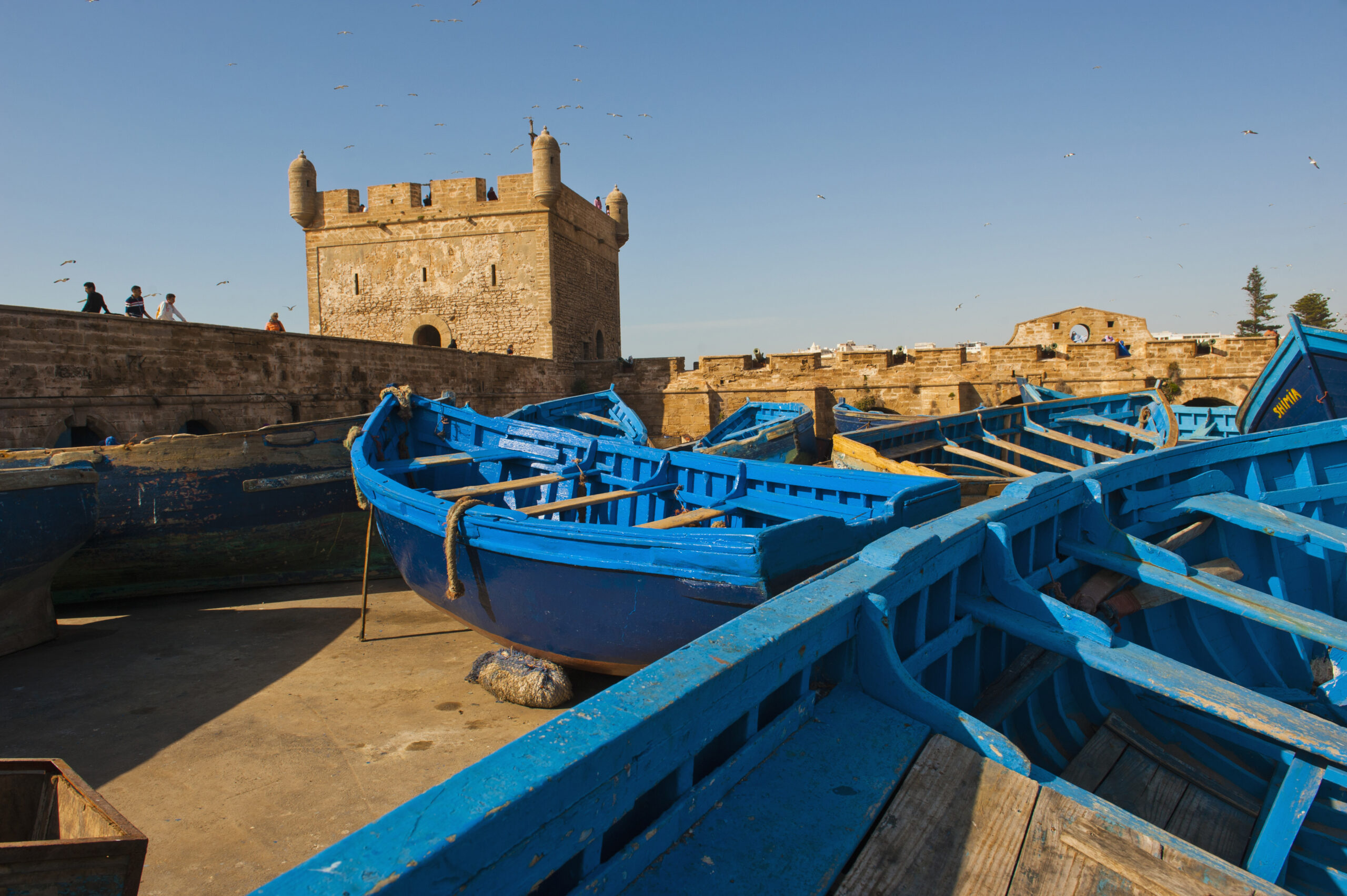
- Essaouira remains the most picturesque and reliable city for a focused seafood experience. The port is active, the fish market is excellent, and the row of grills near the harbor – where vendors cook whatever came in that morning – is one of the most genuinely memorable food scenes in the country.
- Agadir has a larger, more modern infrastructure and a fish market that supplies much of southern Morocco. Restaurants near the port tend toward unpretentious quality over atmosphere.
- Casablanca offers the widest range of seafood restaurants, from high-end establishments in Ain Diab to no-frills port-side counters. The seafood pastilla is at its best here, and the Moroccan-French culinary influence produces some interesting hybrid preparations.
- Tangier and the northern Mediterranean coast offer red mullet, sea bream, and clams prepared with a lighter, more Mediterranean sensibility than you find further south.
How to Order Well and Avoid Mediocre Versions
- Choose restaurants near the water. A fish restaurant thirty minutes from any coastline or port is relying on supply chains that reduce quality. This is not an absolute rule, but it is a reliable one.
- Look for the catch of the day. Any good coastal restaurant will know what came in that morning and will offer it simply – grilled, baked, or fried. This is almost always better than anything more elaborate on the menu.
- Avoid pre-made displays. Some tourist-facing seafood restaurants in medinas display raw fish and shellfish on ice at the entrance for dramatic effect. The display does not guarantee freshness or quality. Ask when the fish arrived rather than relying on visual presentation.
- Simple preparations first. Grilled fish with chermoula or a straightforward tagine will tell you more about the quality of the kitchen than a busy composed dish. If the basics are good, the more complex preparations usually are too.
- For shellfish, ask about the source. Oysters and large prawns from Oualidia or the southern coast are genuinely excellent. The same shellfish, sourced from less reliable suppliers and sitting in a medina restaurant, may not be.
A Practical Note on Seafood and Food Safety
Morocco’s coastal restaurants, particularly near active ports, tend to be reliable. The high turnover means that fish moves quickly from boat to kitchen. Where caution is warranted is in restaurants far from the coast, particularly those serving shellfish in hot weather. The general traveler’s principle – eat where the locals eat, and eat where the fish arrived this morning – applies here more than anywhere.
Page last updated: June 2026
Anything we can improve? Let us know
Plan Your Morocco Trip
Compare hotels, flights and rental cars
Compare hotels, riads and guesthouses across Morocco on Booking.com:
Compare flights to Morocco on Aviasales:
Find the right rental car for your Morocco trip with EconomyBookings: